
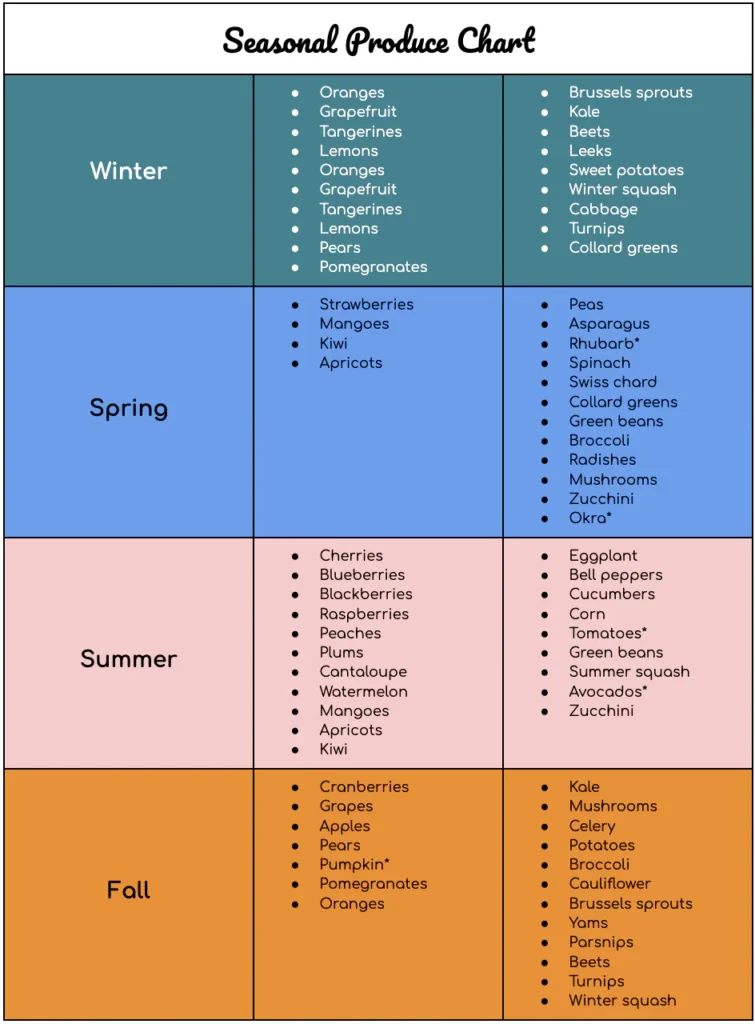
As a lover of fresh, seasonal produce, I’m sure you’re aware that not all vegetables are created equal. While some can be found in supermarkets year-round, others are only available during certain months of the year. But why is this? And what does it mean for our health and wellbeing?
The Importance of Seasonality
Produce that’s out of season may not be treated in the same way as produce that’s in season. For example, I live in Southern Italy and can harvest melons until November, when the climate allows for it. In my countryside home, I have a greenhouse where I can grow tomatoes even in the middle of winter. The result? Fresh seasonal vegetables without any artificial additives or preservatives.
But here’s the thing: sometimes, the origin of a product matters more than its seasonality. Buying organic produce can provide additional guarantees that cannot be obtained from simply choosing seasonal products.
The Limitations of Supermarkets
When shopping at a supermarket, always take a look at the origin of the product on display at the produce stand or deli counter. Be cautious! Just because it’s been packaged doesn’t mean it was locally grown or produced in season. In fact, many supermarkets import produce from other countries to keep prices low.
The Seasonal Vegetable Calendar
While the calendar is based on general guidelines for the central region of Italy, farmers have developed varieties that are late-season and early-season, which can extend the harvest period in certain regions. Here’s a breakdown of what you can expect each month:
January: Winter Harvest
- Barberries
- Broccoli
- Brussels sprouts
- Cauliflower
- Cabbage
- Kale
- Mustard greens
- Rutabaga
- Turnips
These vegetables are perfect for soups, stews, and roasted as a side dish.
February: Early Spring
- Barberries
- Broccoli
- Brussels sprouts
- Cabbage
- Cauliflower
- Chicory
- Endive
- Kale
- Mustard greens
- Rutabaga
- Turnips
These veggies are great for salads, sautés, and roasted as a side dish.
March: Asparagus Season
- Asparagus
- Barberries
- Brussels sprouts
- Cabbage
- Cauliflower
- Chicory
- Radicchio
- Spinach
- Swiss chard
- Turnips
Asparagus is a must-have for spring, and these veggies are perfect for pairing with it.
April: Spring Awakening
- Asparagus
- Barberries
- Brussels sprouts
- Cabbage
- Cauliflower
- Dandelion greens
- Kale
- Mustard greens
- Radicchio
- Spinach
- Swiss chard
These veggies are great for salads, sautés, and roasted as a side dish.
May: Early Summer
- Asparagus
- Beets
- Chicory
- Dandelion greens
- Lettuce
- Mustard greens
- Rhubarb
- Spinach
- Swiss chard
These veggies are perfect for salads, sautés, and roasted as a side dish.
June: Summer Harvest
- Beets
- Bok choy
- Cabbage
- Carrots
- Chives
- Dandelion greens
- Garlic
- Kale
- Leeks
- Lettuces
- Mustard greens
- Radicchio
- Rhubarb
- Spinach
- Swiss chard
- Turnips
These veggies are great for salads, sautés, and roasted as a side dish.
July: Mid-Summer
- Beets
- Bok choy
- Broccoli
- Brussels sprouts
- Cabbage
- Carrots
- Cauliflower
- Chives
- Dandelion greens
- Garlic
- Kale
- Leeks
- Lettuces
- Mustard greens
- Radicchio
- Rhubarb
- Swiss chard
These veggies are perfect for salads, sautés, and roasted as a side dish.
August: Late Summer
- Beets
- Beans
- Cabbage
- Carrots
- Celery
- Chives
- Cucumbers
- Garlic
- Green beans
- Lettuce
- Okra
- Peppers
- Pumpkins
- Spinach
- Swiss chard
- Zucchini
These veggies are great for salads, sautés, and roasted as a side dish.
September: Late Summer Harvest
- Beans
- Beets
- Brussels sprouts
- Cabbage
- Carrots
- Celery
- Chickpeas
- Cucumbers
- Garlic
- Kale
- Leeks
- Lettuces
- Mustard greens
- Radicchio
- Rhubarb
- Spinach
- Swiss chard
- Turnips
- Winter squash
These veggies are perfect for soups, stews, and roasted as a side dish.
October: Early Autumn
- Barberries
- Beets
- Brussels sprouts
- Cabbage
- Carrots
- Cauliflower
- Kale
- Kale leaves
- Lettuce
- Mustard greens
- Radicchio
- Rutabaga
- Spinach
- Turnips
- Winter squash
These veggies are great for salads, sautés, and roasted as a side dish.
November: Late Autumn
- Beets
- Broccoli
- Brussels sprouts
- Cabbage
- Cauliflower
- Chicory
- Kale
- Kale leaves
- Lettuces
- Mustard greens
- Radicchio
- Rutabaga
- Spinach
- Turnips
- Winter squash
These veggies are perfect for soups, stews, and roasted as a side dish.
December: Late Autumn Harvest
- Barberries
- Broccoli
- Brussels sprouts
- Cabbage
- Carrots
- Cauliflower
- Chicory
- Kale
- Kale leaves
- Leeks
- Lettuces
- Radicchio
- Rutabaga
- Spinach
- Swiss chard
- Turnips
- Winter squash
These veggies are great for salads, sautés, and roasted as a side dish.
Conclusion
Choosing seasonal vegetables is not only better for our health, but it’s also better for the environment. By supporting local farmers and choosing produce that’s in season, we can reduce our carbon footprint and promote sustainable agriculture practices.
In addition to the benefits of seasonal produce, there are many ways to incorporate more veggies into your diet. Consider trying new recipes, experimenting with different cooking methods, and stocking up on frozen or canned options when fresh produce is out of season.
Tips for Incorporating Seasonal Produce into Your Diet
- Plan ahead: Check the calendar to see what seasonal produce is available during the month you’re planning to shop.
- Shop local: Visit your local farmers’ market or join a community-supported agriculture (CSA) program to get fresh, seasonal produce directly from the farm.
- Experiment with new recipes: Try new ways of preparing seasonal veggies, such as roasting, grilling, or sautéing.
- Stock up on frozen options: When fresh produce is out of season, consider stocking up on frozen or canned options to keep your pantry stocked.
- Don’t be afraid to try new things: Seasonal produce can include unexpected veggies like dandelion greens or bok choy. Be adventurous and try new things!
- Make a seasonal shopping list: Check the calendar each month to see what’s in season and make a list of the veggies you need to buy.
- Consider buying from local farms: Buying directly from local farms can help support the local economy and promote sustainable agriculture practices.
Seasonal Produce by Region
While the calendar above provides general guidelines for seasonal produce, keep in mind that different regions have their own unique growing seasons. Here’s a rough guide to seasonal produce by region:
- Northern states (e.g. New York, Michigan): Asparagus, spinach, kale, carrots, beets
- Southern states (e.g. Florida, Georgia): Tomatoes, peppers, cucumbers, okra, squash
- Midwest: Corn, beans, cabbage, broccoli, cauliflower
- West Coast: Avocados, strawberries, asparagus, spinach, lettuce
Keep in mind that this is just a rough guide and the availability of seasonal produce can vary greatly depending on your specific region and climate.
Conclusion
Incorporating more veggies into your diet can have numerous health benefits, from reducing inflammation to promoting healthy digestion. By choosing seasonal produce, you can ensure that your veggies are fresh, nutritious, and sustainable. Whether you’re a seasoned veggie enthusiast or just starting out, this guide should provide you with the tools and inspiration you need to get started on your journey to a healthier, more sustainable diet.


