
Introduction
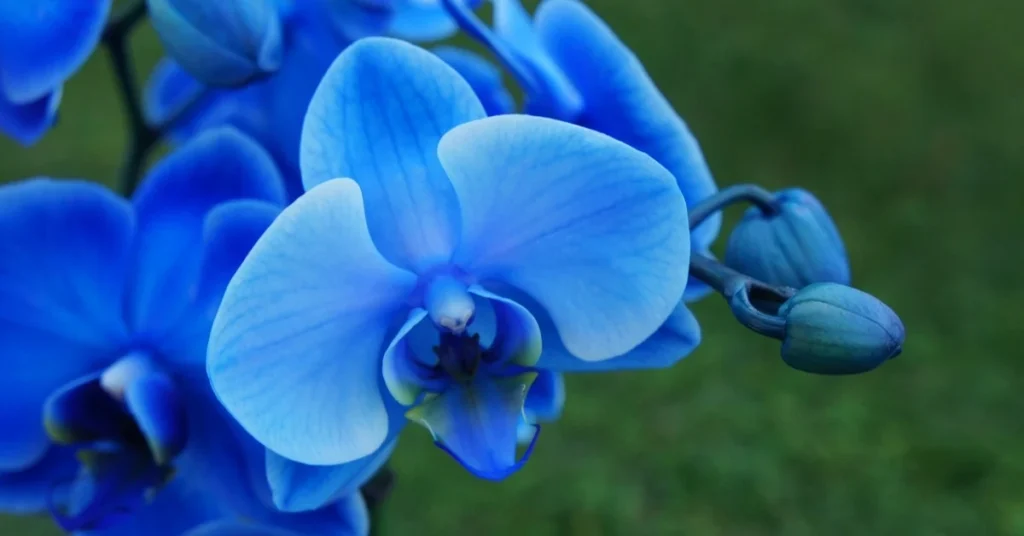
In the world of orchids, there exists a unique and exquisite flower known as the blue orchid, also referred to as Vanda coerulea. This beautiful bloom has been a source of fascination for centuries, not only due to its stunning color but also because of its rich history and cultural significance. In this article, we will delve into the characteristics of the blue orchid, its care requirements, and explore its symbolism in various cultures.
What is an Orchid?
Orchids are a type of flowering plant that belongs to the family Orchidaceae. They are known for their unique and exotic appearance, with over 30,000 species found around the world. The blue orchid, however, stands out from the rest due to its vibrant blue color, which sets it apart from other types of orchids.
Orchids have evolved to thrive in diverse environments, from tropical forests to arctic tundras. They are characterized by their modified petals and sepals that form a flower, as well as their ability to absorb moisture and nutrients through their leaves. This adaptation allows them to survive in environments where water is scarce.
Characteristics of the Blue Orchid
The blue orchid is an epiphytic plant, meaning it grows on other plants rather than in the ground. It has green leaves that resemble a ribbon and does not have pseudobulbs, which are small bulbs that store water and nutrients. The roots of the blue orchid are exposed, making it easy to care for.
The blue orchid is known for its elegant appearance, with tall, slender stems and delicate petals that can be purple, white, or bi-colored. The flower blooms in shades of blue, ranging from light sky blue to deep navy blue, depending on the specific variety.
One of the most distinctive features of the blue orchid is its unique fragrance. The plant emits a sweet, floral scent that is often used in perfumes and fragrances.
Significance of the Blue Orchid
In many cultures, the blue orchid is considered a symbol of beauty and perfection. In ancient India, it was believed that the blue orchid could ward off evil spirits and bring good fortune. Similarly, in China, the plant was prized for its fragrance and used in traditional medicine.
The Greek philosopher, Aristotle, referred to the blue orchid as the “sandalo del mondo,” or “the sandal of the world.” This name highlights the flower’s unique shape, which resembles a sandal or a slipper. Today, the blue orchid is still considered a popular choice among orchid enthusiasts and collectors.
In Japan, the blue orchid is associated with love and romance. The plant is often given as a gift to express admiration or affection.
How to Care for an Orchid
Caring for a blue orchid requires attention to detail and a understanding of its specific needs. In terms of temperature, the plant prefers a cool night temperature between 10°C to 18°C (50°F to 64°F) and a warm day temperature between 20°C to 30°C (68°F to 86°F).
In terms of watering, it is essential to water the blue orchid regularly, but not too much. Overwatering can lead to root rot and other problems. It’s also crucial to provide the plant with bright, indirect light.
Lighting for an orchid typically consists of a combination of direct sunlight and artificial lighting. The amount of direct sunlight will vary depending on the species of the orchid and the climate in which it is grown.
Humidity is another important factor in caring for an orchid. Blue orchids prefer a humid environment, with a relative humidity of 40-60%. This can be achieved by placing the plant on a tray filled with water and pebbles or using a humidifier.
Pricing and Availability
The price of a blue orchid can vary depending on its size, quality, and rarity. On average, you can expect to pay between €40 to €50 for a small to medium-sized plant.
If you’re interested in purchasing a blue orchid, consider visiting a reputable nursery or online retailer that specializes in orchids. Be sure to ask about the plant’s origin, age, and health before making a purchase.
Alternatives to Artificial Color
While artificial color can be an attractive option, it may not be the best choice for a blue orchid. The natural color of the flower is what makes it so unique and beautiful.
If you’re looking for a more affordable option, consider purchasing a blue orchid plant from a reputable nursery or online retailer. This will ensure that you receive a healthy, high-quality plant with vibrant blue flowers.
Propagation Techniques
Propagating an orchid can be a challenging task, but it is possible to do so through various methods. One of the most common methods is through seed germination, where seeds are planted in a well-draining potting mix and kept in a warm location until they germinate.
Another method is through division, where the plant is carefully divided into smaller sections and replanted in new pots. This method requires patience and attention to detail, but it can be an effective way to propagate an orchid.
Fertilization
Feeding an orchid with fertilizer can help promote healthy growth and blooming. Use a balanced, water-soluble fertilizer that is specifically designed for orchids, and follow the instructions on the label for application rates.
It’s also essential to fertilize your orchid at different stages of its life cycle. During the growing season (spring-fall), fertilize every two weeks with a balanced fertilizer. During the resting period (winter), reduce fertilization to once a month or even less, as the plant requires fewer nutrients during this time.
Pest and Disease Control
Blue orchids can be susceptible to pests and diseases, such as mealybugs, spider mites, and root rot. Regular monitoring of your plant’s health is essential to catch any issues early on.
To control pests, use insecticidal soap or neem oil to treat affected areas. For diseases, remove infected leaves and stems, and treat the remaining healthy tissue with a fungicide if necessary.
Conclusion
In conclusion, the blue orchid is a stunning and exotic flower that has been a source of fascination for centuries. Its unique characteristics, rich history, and cultural significance make it a popular choice among orchid enthusiasts and collectors.
By following proper care techniques and understanding the plant’s needs, you can enjoy the beauty and perfection of the blue orchid in your own home. Whether you’re a seasoned orchid enthusiast or just starting out, this flower is sure to captivate and inspire.
Frequently Asked Questions
-
Q: What is the best way to care for an orchid?
A: To care for an orchid, provide it with bright, indirect light, water regularly but not too much, and maintain a cool night temperature between 10°C to 18°C (50°F to 64°F) and a warm day temperature between 20°C to 30°C (68°F to 86°F). -
Q: How often should I water an orchid?
A: Water your orchid once a week during the summer months and once every two weeks during the winter months. -
Q: Can I grow an orchid indoors?
A: Yes, you can grow an orchid indoors with bright, indirect light and proper care techniques. -
Q: How long does it take for an orchid to bloom?
A: The blooming period of an orchid can vary depending on the species, climate, and care techniques. On average, it takes 6-12 months for an orchid to bloom after planting. -
Q: Can I propagate an orchid by dividing the roots?
A: Yes, you can propagate an orchid by dividing the roots, but this method requires careful handling and proper care techniques. -
Q: How often should I fertilize my orchid?
A: Feed your orchid once a month during the growing season with a balanced fertilizer. -
Q: Can I grow an orchid outdoors?
A: Yes, you can grow an orchid outdoors in a shaded area with bright, indirect light and proper care techniques. -
Q: What is the best way to repot an orchid?
A: Repot your orchid every 2-3 years in the spring when it becomes pot-bound, using a well-draining potting mix specifically designed for orchids.


