
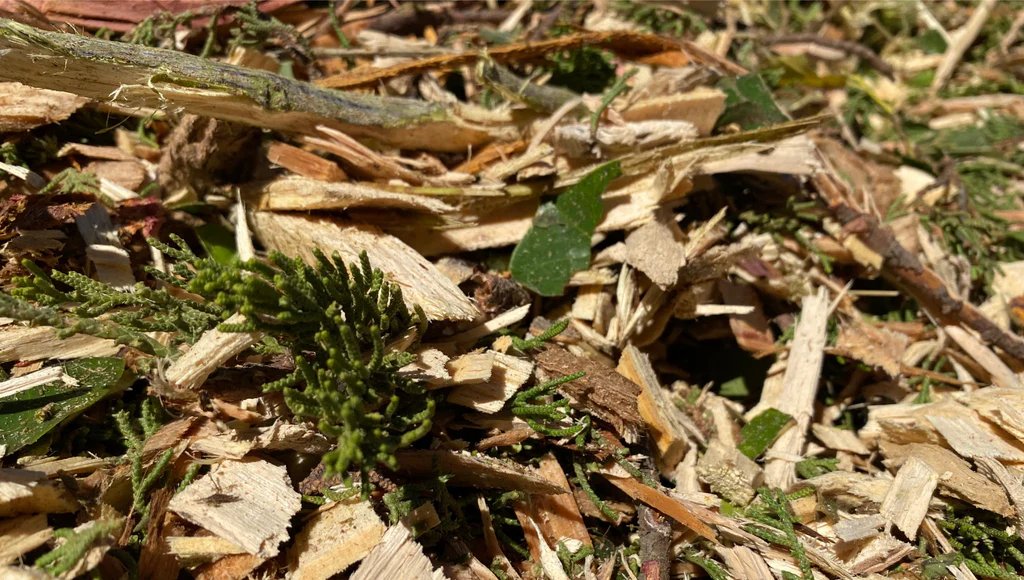
As we strive to live a more sustainable lifestyle, many gardeners are turning to alternative methods for fertilizing their soil. One such approach is the use of wood chip fertilizer, which can provide essential nutrients and improve soil structure. In this article, we’ll explore the benefits of using wood chips as a natural fertilizer, how to create your own at home, and why it’s becoming an increasingly popular choice among gardeners.
What is Wood Chip Fertilizer?
Wood chip fertilizer is made from small pieces of wood that have been broken down into a nutrient-rich compost. These chips are typically derived from fresh branches and leaves, which are collected and processed to create a high-quality fertilizer. When used in gardening, wood chips can provide essential nutrients such as nitrogen, phosphorus, and potassium, while also improving soil structure and water retention.
The Benefits of Wood Chip Fertilizer
Using wood chip fertilizer offers several benefits for gardeners. Some of the most significant advantages include:
- Improved Soil Structure: Wood chips can help to improve soil drainage and aeration, making it easier for roots to grow.
- Increased Water Retention: The high water-holding capacity of wood chips means that plants will receive consistent moisture levels throughout the growing season.
- Reduced Fertilizer Waste: By using wood chips as a natural fertilizer, you can reduce your reliance on chemical fertilizers and minimize waste.
Creating Your Own Wood Chip Fertilizer
With the right equipment, anyone can create their own wood chip fertilizer at home. Here’s a step-by-step guide to get you started:
- Collect Fresh Branches: Gather fresh branches and leaves from trees and shrubs.
- Process the Material: Break down the branches into small pieces using a saw or chipper.
- Add Water: Mix the wood chips with water to create a nutrient-rich compost.
Using Wood Chip Fertilizer in Your Garden
Wood chip fertilizer can be used in a variety of ways, including:
- Composting: Mix wood chips into your compost pile to create a nutrient-rich soil amendment.
- Mulching: Apply a layer of wood chips around plants to improve soil structure and retain moisture.
- Fertilizer: Use wood chip fertilizer as a substitute for synthetic fertilizers.
The Environmental Impact
Using wood chip fertilizer can have a significant impact on the environment. By reducing our reliance on chemical fertilizers, we can minimize waste and promote sustainable gardening practices.
Tips for Maximizing the Benefits of Wood Chip Fertilizer
To get the most out of your wood chip fertilizer, follow these tips:
- Monitor pH Levels: Regularly check the pH levels in your soil to ensure they’re within a suitable range for plant growth.
- Balance Nutrient Intake: Be sure to balance the nutrient intake from wood chips with other sources, such as compost or manure, to avoid over-fertilizing.
- Maintain Soil Moisture: Keep the soil consistently moist, but not waterlogged, to ensure optimal growth.
Common Challenges and Solutions
While using wood chip fertilizer can be a game-changer for gardeners, it’s not without its challenges. Here are some common issues and solutions:
- Odor Issues: If your wood chips are too rich in nitrogen, they may cause unpleasant odors. To mitigate this, add more carbon-rich materials like straw or sawdust.
- Inadequate Nutrient Retention: If you’re not using enough wood chips, the nutrients may not be retained effectively. Increase the amount of wood chips and monitor soil pH levels.
Conclusion
Wood chip fertilizer is a natural and effective way to improve soil structure and provide essential nutrients to plants. By creating your own wood chips at home, you can reduce your environmental footprint and promote sustainable gardening practices. Whether you’re looking to improve soil health or simply want to try something new, wood chip fertilizer is definitely worth considering.
Frequently Asked Questions
- What types of trees are best for making wood chips?
- Fresh branches from trees such as oak, maple, and cherry work well.
- How often should I add wood chips to my garden?
- Start with a small amount (about 10% of your soil volume) and gradually increase as needed.
- Can I use wood chip fertilizer on fruit trees?
- Yes, but be sure to follow the recommended application rates to avoid over-fertilizing.
- How long does it take for wood chips to break down?
- This process can take several months to a year or more, depending on factors like climate and soil quality.
- Can I use wood chip fertilizer in my indoor plants?
- Yes, but be cautious not to over-fertilize, as this can lead to root burn.
By incorporating wood chip fertilizer into your gardening routine, you’ll be taking a step towards creating a more sustainable and environmentally friendly garden.


