
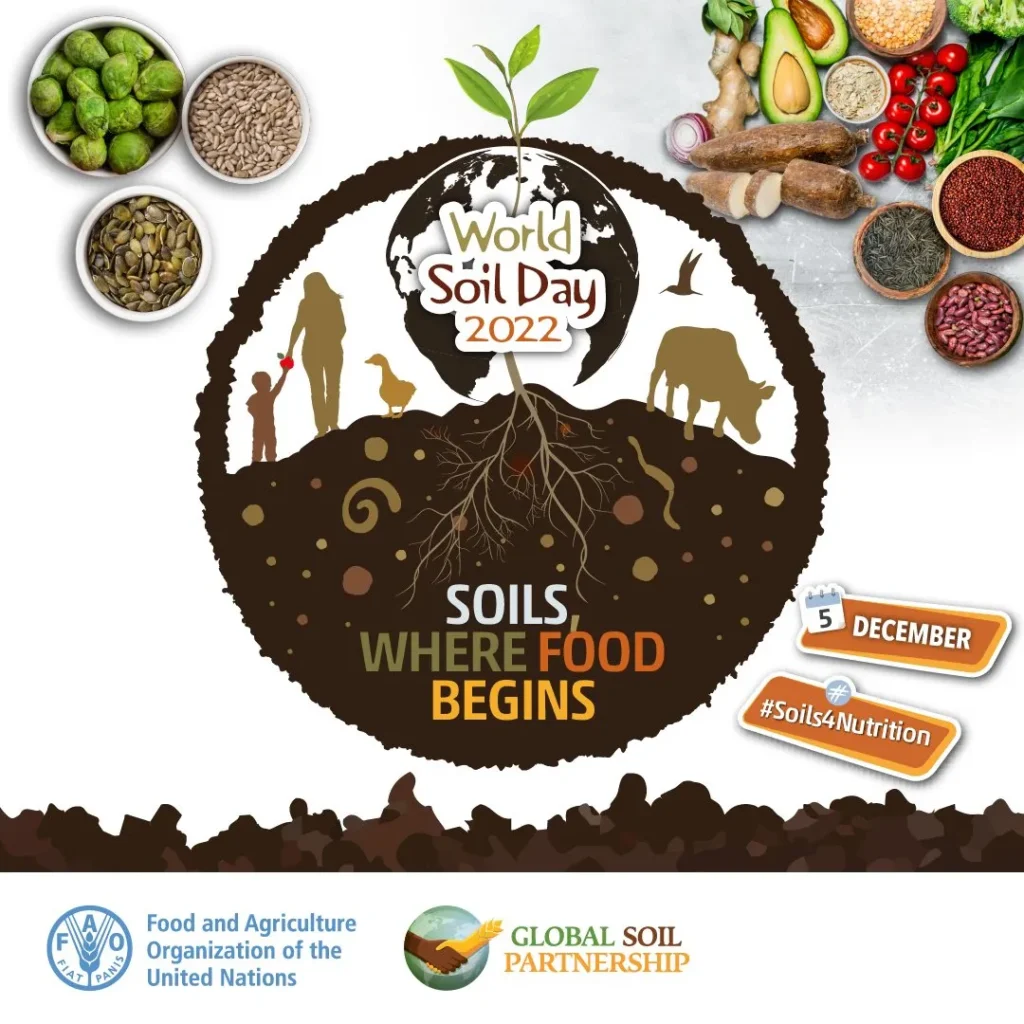
The Great Earth Day 2022: Uncovering the Hidden Truths of Soil Degradation
As we walk on this planet, we often take for granted the soil beneath our feet. But let’s face it – we’re losing sight of what matters most. The world is facing an unprecedented crisis of soil degradation, and it’s time to wake up to the devastating consequences.
What is the Great Earth Day?
The World Soil Day is celebrated on December 5th every year, but this year marks a significant turning point. It’s no longer just about awareness; it’s about taking action. We need to acknowledge that soil degradation is not just an environmental issue, but also a matter of food security and human well-being.
Soil: The Unsung Hero of Our Planet
Soil is the foundation of life on Earth. It’s where crops are grown, water is filtered, and oxygen is produced. But despite its importance, soil is being ravaged at an alarming rate. We’re losing 1,000 square kilometers of arable land every year to urbanization, construction, and other human activities.
The EU’s Soil Crisis
In the European Union alone, over 21,500 square kilometers of land are cemented or built on, which is roughly equivalent to the size of Hungary. This not only affects the environment but also the economy and our daily lives. The World Wildlife Fund (WWF) Italy has sounded the alarm, stating that Italy is a fragile country with over 16% of its territory at high risk of flooding, and six million people live in areas prone to natural disasters.
The Human Cost of Soil Degradation
Soil degradation is not just an environmental issue; it’s also a matter of human security. Climate change, desertification, and soil erosion threaten the livelihoods of millions of people worldwide. The World Food Programme estimates that 820 million people suffer from hunger, and soil degradation exacerbates this problem.
The Connection between Soil, Food Security, and Climate Change
Soil is not just a source of food; it’s also a critical component of the carbon cycle. Healthy soils can sequester more carbon dioxide, which helps mitigate climate change. But as we continue to degrade our soils, we risk losing this natural carbon sink.
A Call to Action: Rethinking Our Relationship with Soil
The World Soil Day is not just about awareness; it’s about taking action. We need to rethink our relationship with soil and adopt more sustainable practices. This means reducing our consumption of fertile land, promoting agroforestry, and supporting regenerative agriculture.
What Can You Do?
Here are some simple ways you can make a difference:
- Reduce your meat consumption to alleviate pressure on the environment
- Choose products that promote soil health and biodiversity
- Support organizations working to protect and restore degraded soils
The Great Earth Day is a wake-up call for all of us. It’s time to take responsibility for our actions and work towards a more sustainable future. By recognizing the importance of soil, we can create a better world for ourselves and future generations.
Frequently Asked Questions
- What is the World Soil Day?
The World Soil Day is an international event celebrated on December 5th every year to raise awareness about the importance of soil conservation and sustainable land use. - Why is soil degradation such a big deal?
Soil degradation affects not only the environment but also food security, human health, and the economy. It’s estimated that over 1,000 square kilometers of arable land are lost every year due to urbanization and other human activities. - How can I help protect soil?
You can make a difference by reducing your meat consumption, choosing products that promote soil health, and supporting organizations working to protect and restore degraded soils.
The Impact of Soil Degradation on Biodiversity
Soil degradation not only affects the environment but also biodiversity. Healthy soils support a wide range of plant and animal species, which are essential for maintaining ecosystem balance. However, as we continue to degrade our soils, we risk losing these species and compromising the health of our planet.
The Role of Soil in Climate Change Mitigation
Soil plays a critical role in climate change mitigation. Healthy soils can sequester more carbon dioxide, which helps reduce greenhouse gas emissions. However, as we continue to degrade our soils, we risk losing this natural carbon sink, exacerbating the effects of climate change.
The Economic Costs of Soil Degradation
Soil degradation not only affects the environment and human well-being but also has significant economic costs. Healthy soils are essential for sustainable agriculture, which is critical for food security and economic development. However, as we continue to degrade our soils, we risk losing these economic benefits, compromising our ability to feed a growing population.
The Social Impacts of Soil Degradation
Soil degradation not only affects the environment and human well-being but also has significant social impacts. Healthy soils are essential for sustainable agriculture, which is critical for food security and economic development. However, as we continue to degrade our soils, we risk losing these social benefits, compromising our ability to feed a growing population.
Conclusion
The Great Earth Day 2022 is a wake-up call for all of us. It’s time to take responsibility for our actions and work towards a more sustainable future. By recognizing the importance of soil, we can create a better world for ourselves and future generations. We need to rethink our relationship with soil and adopt more sustainable practices. This means reducing our consumption of fertile land, promoting agroforestry, and supporting regenerative agriculture.
The Future of Soil Conservation
The future of soil conservation is uncertain, but there are steps we can take to protect and restore degraded soils. Here are some potential solutions:
- Promote sustainable land use practices, such as agroforestry and permaculture
- Support organizations working to protect and restore degraded soils
- Encourage policymakers to adopt policies that support soil conservation
By taking action now, we can create a better future for ourselves and future generations. We need to recognize the importance of soil and take responsibility for our actions.


