
As we navigate the world of interior design and home improvement, it’s essential to consider the materials we use in our daily lives. One such material that has been gaining popularity is linoleum flooring. But what exactly is linoleum, and how does it compare to other options like PVC and rubber? In this article, we’ll delve into the world of linoleum, exploring its history, production process, characteristics, benefits, and more.
What is Linoleum Flooring?
Linoleum flooring is a natural, sustainable material made from plant-based ingredients such as flaxseed oil, linseed oil, and wood flour. It’s often confused with PVC and rubber flooring, but these materials are actually artificial and have their own set of drawbacks. Linoleum, on the other hand, is a genuine product that has been used for centuries.
The History of Linoleum Flooring
Linoleum was first invented in 1862 by Henry Ford’s father-in-law, William Morris. The original linoleum recipe consisted of flaxseed oil and wood flour, which were mixed together to create a durable and water-resistant surface. Over the years, new technologies have improved the manufacturing process, but the basic principles remain the same.
The Production Process
So, how is linoleum made? The production process involves the oxidation of large quantities of flaxseed oil to create a natural cement-like substance. This process creates a unique material that is both durable and flexible. The resulting linoleum is then mixed with other natural ingredients such as wood flour, sugarcane fiber, and pigments.
The next step involves applying the mixture onto a jute textile and calandering it into the desired shape. Finally, the linoleum is subjected to a specific drying process using heated air or hot water vapor to create a durable, water-resistant surface.
Characteristics of Linoleum Flooring
Linoleum flooring boasts several unique characteristics that make it an attractive option for homeowners. Here are just a few:
- Bactericidal Properties: Linoleum has natural antibacterial properties that reduce the presence of bacteria and dust mites.
- Antistatic Nature: This material repels static electricity, making it ideal for areas with high foot traffic.
- Color Variety: Linoleum is available in a range of colors to suit any interior design aesthetic.
Benefits of Linoleum Flooring
So why choose linoleum flooring over other options? Here are just a few benefits:
- No Maintenance Required: Linoleum floors require minimal upkeep and can last for decades with proper care.
- Durable and Flexible: This material is resistant to scratches, dents, and fading.
- Eco-Friendly: Linoleum flooring is made from natural ingredients that are biodegradable and non-toxic.
The Environmental Impact of Linoleum Flooring
While linoleum flooring has its benefits, it’s essential to consider the environmental impact. Here are a few things to keep in mind:
- Sustainability: Linoleum flooring is made from natural ingredients that can be sourced sustainably.
- Recyclability: Many linoleum products can be recycled at the end of their life cycle.
Where to Buy Linoleum Flooring
You can find linoleum flooring at specialized retailers that sell rubber and PVC products. Prices vary depending on the size of the area to be covered, but you can expect to pay around $10 per square foot.
Cleaning and Maintenance
To keep your linoleum floor looking its best, follow these simple tips:
- Damp Mop: Use a damp mop with just water to clean up spills and dirt.
- Detergent Solution: For more thorough cleaning, mix a solution of 1 cup white vinegar per gallon of warm water.
Tips for Installing Linoleum Flooring
Installing linoleam flooring requires some skill and patience. Here are a few tips to keep in mind:
- Prepare the Subfloor: Make sure the subfloor is level and clean before installing the linoleum.
- Use a High-Quality Adhesive: Choose an adhesive that’s specifically designed for linoleum flooring.
Linoleum Flooring vs. Other Options
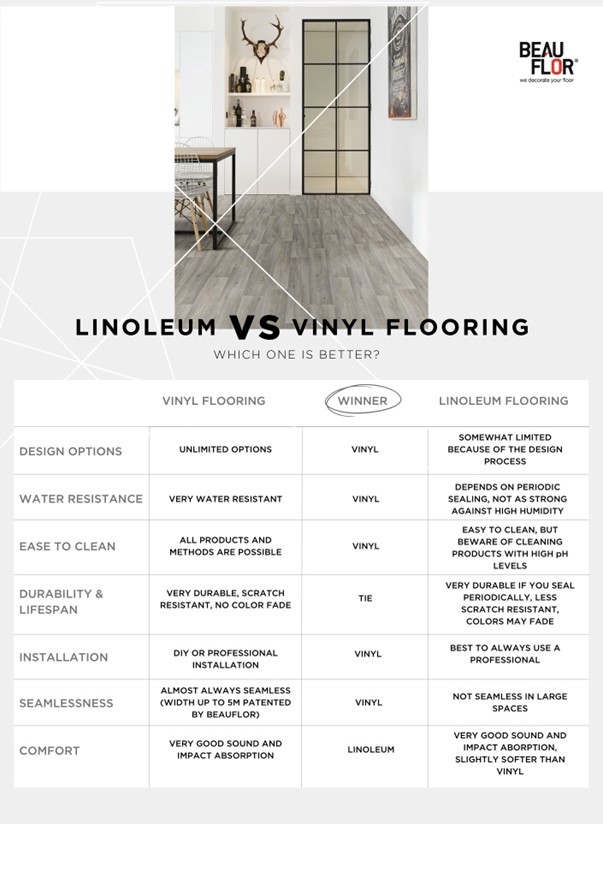
So how does linoleum compare to other options like PVC and rubber? Here are just a few key differences:
- Durability: Linoleum flooring is more durable than PVC and rubber, with a lifespan of up to 20 years.
- Flexibility: Linoleum flooring is more flexible than PVC and rubber, making it ideal for areas with high foot traffic.
Conclusion
Linoleum flooring is a natural, sustainable alternative to other materials like PVC and rubber. Its unique characteristics, benefits, and eco-friendly production process make it an attractive option for homeowners. By understanding the history, production process, and environmental impact of linoleum flooring, you can make an informed decision about whether this material is right for your home.
Additional Tips
Here are a few additional tips to keep in mind when considering linoleum flooring:
- Test the Flooring: Before committing to a large installation, test the flooring with a small sample.
- Choose the Right Color: Select a color that complements your interior design aesthetic.
- Seal the Floor: Consider sealing the floor to protect it from spills and stains.


