
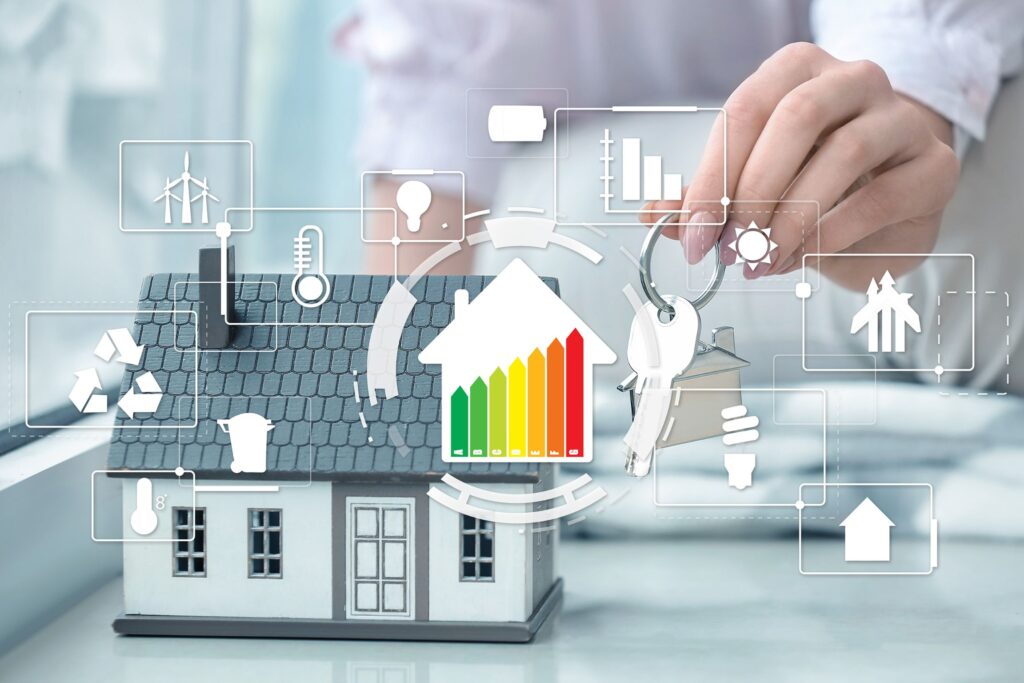
As the cost of living continues to rise, many homeowners are looking for ways to reduce their energy bills. One effective way to do this is by conducting an energy audit of your home, also known as a home energy diagnosis or energy assessment. In this article, we will explore what an energy audit entails, how it can help you identify areas of inefficiency in your home, and provide tips on how to take action to reduce your energy consumption.
The Importance of Energy Audits
An energy audit is a thorough examination of your home’s energy usage, including the type and amount of energy consumed, as well as the efficiency of various systems such as heating and cooling, lighting, and appliances. By conducting an energy audit, you can identify areas where energy is being wasted and make informed decisions about how to reduce your energy consumption.
In recent years, there has been a growing awareness of the importance of energy audits in reducing our reliance on fossil fuels and mitigating climate change. Energy audits can help homeowners identify opportunities for energy efficiency improvements, which can lead to cost savings, increased property value, and a reduced carbon footprint.
How Energy Audits Work
An energy audit typically involves a series of steps, including:
- Conducting an energy usage analysis: This involves reviewing your past energy bills and analyzing your energy usage patterns.
- Inspecting your home’s systems and components: A trained auditor will inspect your home’s heating, cooling, lighting, and appliance systems to identify areas of inefficiency.
- Identifying energy-saving opportunities: Based on the audit findings, the auditor will identify opportunities for energy savings, such as installing energy-efficient lighting or insulation.
The Benefits of Energy Audits
Conducting an energy audit can have numerous benefits, including:
- Reduced energy bills: By identifying areas of inefficiency and implementing energy-saving measures, you can significantly reduce your energy bills.
- Increased property value: An energy audit can help identify opportunities for energy efficiency upgrades, which can increase your property’s value.
- Environmental benefits: Reducing energy consumption can also contribute to a more sustainable lifestyle.
Types of Energy Audits
There are several types of energy audits, including:
- Home energy audit: This is the most common type of energy audit and involves a thorough examination of your home’s energy usage.
- Commercial energy audit: This type of audit is designed for businesses and organizations to identify areas of inefficiency in their energy usage.
- Whole-house energy audit: This type of audit involves a comprehensive analysis of all aspects of your home, including heating, cooling, lighting, and appliances.
DIY Energy Audits
If you’re not sure where to start, there are several DIY energy audit tools available that can help you get started. These include:
- Smart meters: Smart meters can provide real-time data on your energy usage.
- Energy monitoring devices: These devices can track your energy consumption in real-time and identify areas of inefficiency.
- Online energy audits: Many utility companies offer online energy audits that can help you identify energy-saving opportunities.
Tips for Conducting a DIY Energy Audit
If you decide to conduct a DIY energy audit, here are some tips to keep in mind:
- Collect your energy bills: Gather your past energy bills and analyze your energy usage patterns.
- Use online tools: Utilize online tools, such as energy audit software, to help identify areas of inefficiency.
- Conduct a walk-through: Take a walk-through of your home and identify potential energy-saving opportunities.
Professional Energy Audits
While DIY energy audits can be effective, they may not provide the same level of detail and accuracy as a professional energy audit. If you’re unsure where to start or need more in-depth analysis, it’s recommended to hire a professional auditor.
How Much Does an Energy Audit Cost?
The cost of an energy audit varies depending on the type of audit and the complexity of the analysis. On average, a home energy audit can cost between $100 to $500. Some utility companies may also offer free or low-cost energy audits as part of their energy-saving programs.
Additional Resources
- U.S. Department of Energy: The U.S. Department of Energy provides resources and tools for conducting energy audits.
- ENERGY STAR: ENERGY STAR offers energy-efficient products and appliances that can help reduce energy consumption.
- Local utility companies: Many local utility companies offer energy audit programs and incentives for customers.
Common Energy-Wasting Habits
Some common energy-wasting habits include:
- Leaving lights on: Leaving lights on, even when not in use, is one of the simplest ways to waste energy.
- Using old appliances: Using old appliances can be a significant source of energy waste.
- Overheating or overcooling: Overheating or overcooling your home can lead to increased energy consumption.
Energy-Saving Opportunities
There are many energy-saving opportunities available, including:
- Installing energy-efficient lighting: Installing energy-efficient lighting, such as LED bulbs, can significantly reduce energy consumption.
- Upgrading appliances: Upgrading to energy-efficient appliances, such as those with the ENERGY STAR label, can also reduce energy consumption.
- Adding insulation: Adding insulation to your home can help reduce heat loss in the winter and heat gain in the summer.
Conclusion
Conducting an energy audit is a simple and effective way to reduce your energy bills, increase property value, and contribute to a more sustainable lifestyle. By understanding the importance of energy audits, identifying energy-saving opportunities, and implementing energy-efficient measures, you can make a significant impact on your energy consumption.
Frequently Asked Questions
- What is an energy audit?
An energy audit is a thorough examination of your home’s energy usage, including the type and amount of energy consumed, as well as the efficiency of various systems such as heating and cooling, lighting, and appliances. - How often should I conduct an energy audit?
It’s recommended to conduct an energy audit at least once a year to identify areas of inefficiency and make adjustments to reduce your energy consumption. - Can I do an energy audit myself?
Yes, there are several DIY energy audit tools available that can help you get started. However, if you’re not sure where to start or need more in-depth analysis, it’s recommended to hire a professional auditor.
Additional Tips
- Be prepared: Before conducting your energy audit, gather all necessary information and prepare for the process.
- Take notes: Take detailed notes during the audit to ensure that you identify all potential energy-saving opportunities.
- Follow up: After completing your energy audit, follow up with any recommended improvements or upgrades.


