
As a dog owner, there’s nothing more distressing than seeing your furry friend suffer from skin irritation. Canine dermatitis, also known as atopic dermatitis, is a common condition that affects many dogs worldwide. In this article, we’ll delve into the causes, symptoms, and treatment options for canine dermatitis, helping you understand what to expect and how to provide the best care for your pet.
What is Canine Dermatitis?
Canine dermatitis, or atopic dermatitis, is a chronic skin condition characterized by inflammation, itching, and skin lesions. It’s often linked to allergies, which can be caused by environmental factors, food, or other external stimuli. There are two main types of canine dermatitis: atopica and allergica.
Atopica vs. Allergica Dermatitis
Atopic dermatitis is an allergic reaction that occurs when the body’s immune system mistakenly identifies harmless substances as threats. This type of dermatitis is usually triggered by environmental factors, such as pollen, dust mites, or mold.
Allergica dermatitis, on the other hand, is a different condition altogether. It’s often caused by skin parasites like fleas, ticks, or lice, or by fungal infections. In some cases, it can also be linked to hormonal imbalances or stress.
Common Symptoms of Canine Dermatitis
If your dog has canine dermatitis, you may notice the following symptoms:
- Intense itching and scratching
- Redness and inflammation of the skin
- Skin lesions, such as bumps, blisters, or ulcers
- Hair loss, especially around the face, ears, and legs
- Excessive licking or chewing at the affected area
Causes of Canine Dermatitis
While we can’t pinpoint a single cause for canine dermatitis, there are several factors that contribute to its development. These include:
- Allergies: Environmental allergies, food allergies, or skin allergies
- Skin parasites: Fleas, ticks, lice, or other external parasites
- Fungal infections: Ringworm, yeast infections, or other fungal diseases
- Hormonal imbalances: Thyroid disorders or hormonal fluctuations
- Stress: Emotional stress, changes in the environment, or medical conditions
Treatment Options for Canine Dermatitis
If your dog has been diagnosed with canine dermatitis, there are several treatment options available. These may include:
- Medications: Antihistamines, corticosteroids, or immunomodulators
- Dietary changes: Food allergy testing and hypoallergenic diets
- Shampooing and bathing: Regular grooming to reduce itching and inflammation
- Flea control: Using topical treatments or oral medications to manage skin parasites
Preventing Canine Dermatitis
While it’s impossible to prevent canine dermatitis entirely, there are steps you can take to reduce your dog’s risk:
- Use allergy-friendly shampoos and conditioners
- Regularly groom your dog to reduce itching and inflammation
- Keep your home clean and dust-free
- Avoid exposing your dog to environmental allergens
Frequently Asked Questions
Q: Is canine dermatitis contagious?
A: No, canine dermatitis is not contagious. However, it’s essential to take precautions to prevent the spread of skin parasites or other infectious agents.
Q: Can I treat my dog at home?
A: Yes, there are several over-the-counter and prescription medications available that can help alleviate symptoms. However, it’s always best to consult with your veterinarian for personalized advice.
Q: How long does canine dermatitis last?
A: The duration of canine dermatitis varies depending on the severity of the condition and treatment options. With proper care and management, many dogs can achieve remission.
Q: Can I treat my dog if they have allergies?
A: Yes, there are several treatments available for food or environmental allergies. Your veterinarian can help you develop a plan to manage your dog’s allergy symptoms.
Q: Is canine dermatitis a sign of an underlying health issue?
A: In some cases, yes. If your dog has chronic skin irritation or other symptoms, it may indicate an underlying medical condition. Consult with your veterinarian to rule out any underlying issues.
Q: How can I protect my dog from the sun and heat?
A: Use sunscreen specifically formulated for dogs, limit their exposure to direct sunlight, and provide plenty of shade and cool water.
Conclusion
Canine dermatitis is a common skin condition that affects many dogs worldwide. By understanding its causes, symptoms, and treatment options, you can provide your furry friend with the best care possible. Remember to take precautions to prevent the spread of skin parasites and maintain good grooming habits to reduce itching and inflammation. If you suspect your dog has canine dermatitis, consult with your veterinarian for personalized advice and guidance.
Frequently Asked Questions (FAQs)
Q: What are some common signs of allergic reactions in dogs?
A: Allergic reactions can manifest as redness, swelling, itching, and excessive licking or chewing at the affected area.
Q: Can I use human medications on my dog with canine dermatitis?
A: No, it’s essential to consult with your veterinarian before using any medication on your dog. Human medications can be toxic to dogs, especially when used in conjunction with other treatments.
Q: How often should I bathe my dog if they have canine dermatitis?
A: Regular grooming is essential to reduce itching and inflammation. However, over-bathing can strip the skin of its natural oils, making symptoms worse. Consult with your veterinarian for personalized advice on bathing frequency.
Q: Can I treat my dog’s digestive issues as a result of their allergies?
A: Yes, your veterinarian may recommend dietary changes or supplements to help alleviate digestive issues related to food allergies.
Q: How can I prevent skin parasites from causing allergic reactions in my dog?
A: Use flea and tick prevention medication regularly, especially during peak allergy seasons. Regular grooming and inspections can also help detect external parasites early on.
Q: What are some natural remedies for canine dermatitis?
A: While there’s no cure-all solution, natural remedies like oatmeal baths, tea tree oil shampoos, or anti-inflammatory supplements may help alleviate symptoms. However, consult with your veterinarian before using any alternative treatments.
Additional Treatment Options
In addition to the treatment options mentioned earlier, there are several other approaches that can help manage canine dermatitis:
- Hypoallergenic diets: Some dogs benefit from switching to hypoallergenic diets that contain novel protein sources and reduced carbohydrate content.
- Probiotics: Probiotics may help regulate the gut microbiome and reduce inflammation in the skin.
- Omega-3 fatty acids: Omega-3 fatty acids, particularly EPA and DHA, have anti-inflammatory properties that can help soothe itchy skin.
- Moisturizers: Applying moisturizers to the affected area can help reduce itching and inflammation.
Home Remedies for Canine Dermatitis
While medical treatment is essential for managing canine dermatitis, there are several home remedies that can help alleviate symptoms:
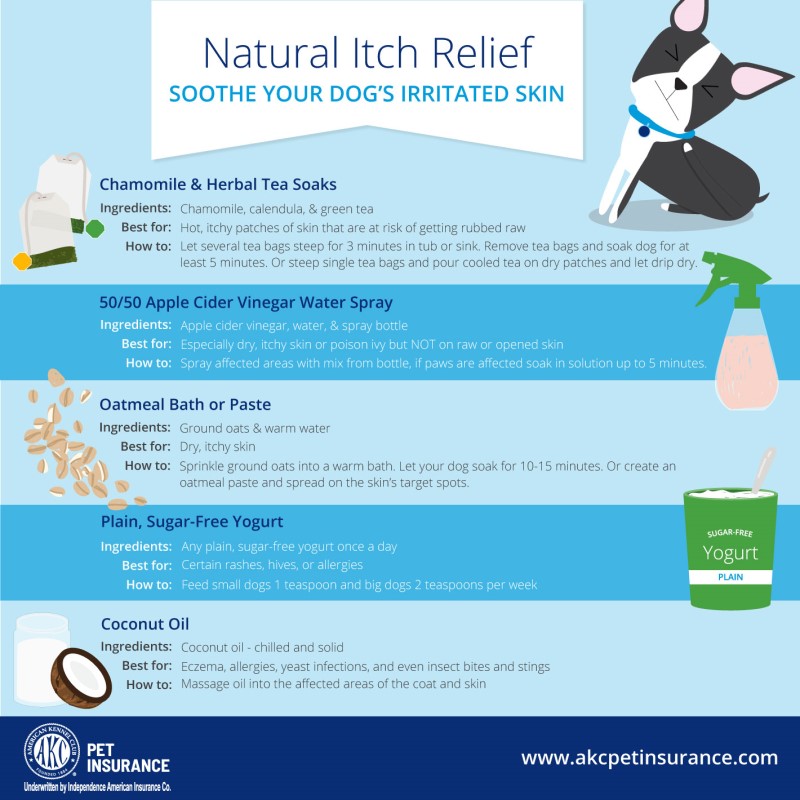
- Oatmeal baths: Oatmeal has anti-inflammatory properties that can help soothe itchy skin.
- Apple cider vinegar shampoos: Apple cider vinegar has antifungal and antibacterial properties that can help balance the skin pH.
- Tea tree oil: Tea tree oil has antiseptic and anti-inflammatory properties that can help reduce redness and itching.
- Coconut oil: Coconut oil has antimicrobial properties that can help soothe itchy skin.
Conclusion
Canine dermatitis is a complex condition that requires patience, understanding, and the right treatment plan. By working with your veterinarian to identify the underlying causes of your dog’s symptoms, you can develop an effective treatment plan that helps alleviate itching, inflammation, and skin lesions. Remember to stay proactive in monitoring your dog’s symptoms and adjust their treatment plan as needed.
Frequently Asked Questions (FAQs)
Q: How long does it take for my dog to recover from canine dermatitis?
A: The duration of recovery varies depending on the severity of the condition and treatment options. With proper care and management, many dogs can achieve remission within 3-6 months.
Q: Can I give my dog over-the-counter medications for canine dermatitis?
A: No, it’s essential to consult with your veterinarian before using any medication on your dog. Over-the-counter medications may not be safe or effective for managing canine dermatitis.
Q: How often should I take my dog to the groomer if they have canine dermatitis?
A: Regular grooming is essential to reduce itching and inflammation. However, over-bathing can strip the skin of its natural oils, making symptoms worse. Consult with your veterinarian for personalized advice on bathing frequency.
Q: Can I use human medications on my dog if they have allergies?
A: No, it’s essential to consult with your veterinarian before using any medication on your dog. Human medications may not be safe or effective for managing canine allergies.


