
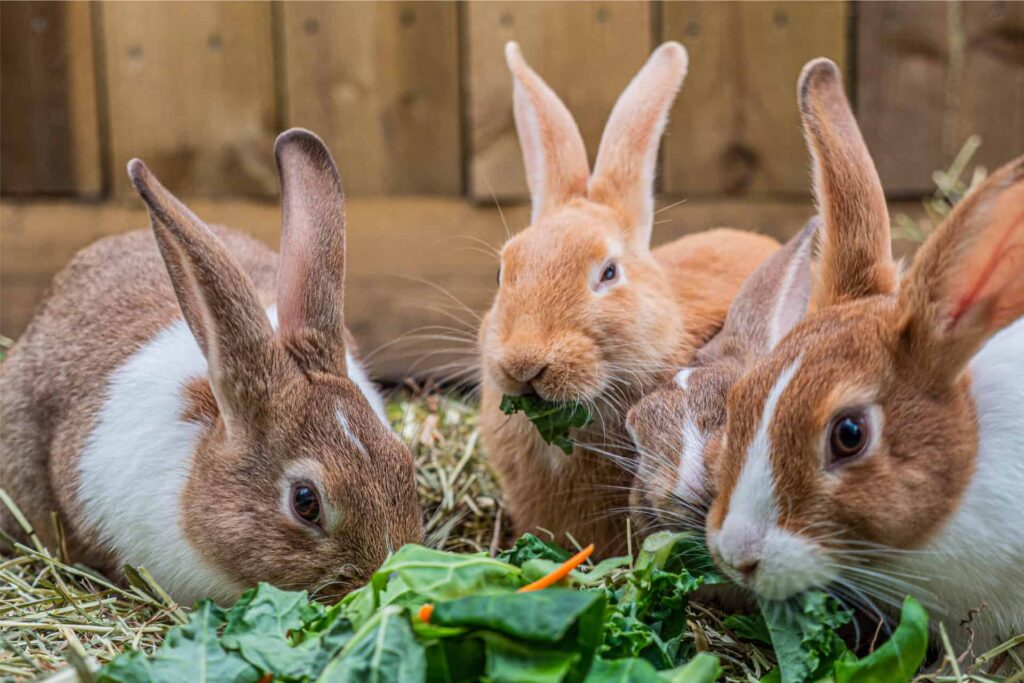
As a responsible rabbit owner or breeder, it’s essential to provide the best possible nutrition for your furry friends. A well-balanced diet is crucial for maintaining their overall health and well-being. In this article, we’ll delve into the world of rabbit nutrition, exploring the benefits of different feeding options, the importance of fiber, and how to choose the right pellets.
Understanding Rabbit Nutrition
In the wild, rabbits have access to a diverse range of foods, including grasses, leaves, fruits, and vegetables. This varied diet allows them to thrive and maintain their natural energy levels. Domesticated rabbits, on the other hand, require a controlled diet that meets their nutritional needs.
When it comes to rabbit nutrition, there are two main options: feeding in natura or using commercial pellets. Both methods have their pros and cons, which we’ll discuss below.
Feeding in Natura
Feeding your rabbits in nature is an excellent way to provide them with a natural diet. In the wild, they can forage for food, eating whatever is available. This approach allows them to develop strong instincts and maintain their natural digestive system.
However, feeding in natura requires careful planning and attention to detail. Rabbits need access to a variety of foods, including fresh vegetables, fruits, and hay. They also require regular cleaning and maintenance of their enclosure to prevent health issues.
Benefits of Feeding in Natura
Feeding your rabbits in nature has several benefits:
- Improved Digestion: Rabbits are designed to digest plant-based foods, so feeding them a variety of fresh vegetables, fruits, and hay can help maintain healthy digestion.
- Increased Energy: In the wild, rabbits get exercise by foraging for food, which helps maintain their natural energy levels.
- Reduced Health Issues: Feeding your rabbits in nature can reduce the risk of health issues associated with a diet high in processed foods and low in fiber.
Challenges of Feeding in Natura
However, feeding in natura also has its challenges:
- Access to Fresh Food: In areas where food is scarce or difficult to access, it may be challenging to provide your rabbits with a balanced diet.
- Maintaining Clean Enclosures: Cleaning and maintaining rabbit enclosures can be time-consuming and labor-intensive.
- Ensuring Adequate Nutrition: Without proper planning, it’s easy to inadvertently provide your rabbits with foods that are not nutritionally balanced.
Commercial Pellets
Using commercial pellets is another popular option for rabbit owners. These pellets are specifically formulated to meet the nutritional needs of rabbits and can be easily incorporated into their diet.
However, not all pellets are created equal. Some pellets may contain high levels of filler ingredients or artificial additives, which can negatively impact your rabbit’s health.
Benefits of Commercial Pellets
Commercial pellets have several benefits:
- Convenience: Pellets are easy to store and feed, making them a convenient option for busy rabbit owners.
- Nutritional Balance: Pellets are specifically formulated to meet the nutritional needs of rabbits, reducing the risk of health issues associated with an imbalanced diet.
- Year-Round Availability: Pellets can be purchased year-round, regardless of the season or availability of fresh food.
Challenges of Commercial Pellets
However, commercial pellets also have their challenges:
- Filler Ingredients: Some pellets may contain high levels of filler ingredients, such as sawdust or corn, which provide little nutritional value.
- Artificial Additives: Some pellets may contain artificial additives, such as dyes or preservatives, which can negatively impact your rabbit’s health.
- Limited Nutrient Content: Pellets may not provide the same level of nutrient content as fresh foods, which can lead to deficiencies over time.
The Importance of Fiber
Fiber is a crucial component of a rabbit’s diet. It provides essential nutrients, such as cellulose and hemicellulose, which help maintain a healthy digestive system. A diet low in fiber can lead to digestive issues, including constipation and diarrhea.
To ensure your rabbits receive adequate fiber, aim for at least 14% of their diet to consist of high-fiber foods, such as hay, grasses, and vegetables.
Choosing the Right Pellets
When selecting a pellet for your rabbits, consider the following factors:
- Look for pellets made from high-quality ingredients, such as whole grains or hay.
- Avoid pellets containing artificial additives or fillers.
- Choose pellets that are specifically formulated for your rabbit’s life stage (e.g., starter pellets for young rabbits).
- Consider pellets made from recycled materials to reduce waste.
Additional Tips
In addition to providing a balanced diet, there are several other tips to keep in mind when caring for your rabbits:
- Provide plenty of fresh water and hay.
- Offer a variety of toys and enrichment activities to stimulate their minds and bodies.
- Regularly clean and maintain their enclosure to prevent health issues.
- Schedule regular veterinary check-ups to ensure your rabbits remain healthy.
By following these guidelines and choosing the right pellet for your rabbits, you can help ensure they lead happy, healthy lives.
Frequently Asked Questions
Here are some frequently asked questions about rabbit nutrition:
- What is the best way to feed my rabbits?
- A balanced diet that includes a mix of hay, grasses, vegetables, and high-quality pellets.
- How much fiber should I provide for my rabbits?
- Aim for at least 14% of their diet to consist of high-fiber foods.
- Can I feed my rabbits in nature?
- Yes, but it requires careful planning and attention to detail.
- What are the benefits of using commercial pellets?
- They provide a convenient and nutritionally balanced option for domesticated rabbits.
By understanding the importance of proper rabbit nutrition and making informed choices about their diet, you can help ensure your furry friends lead happy, healthy lives.


