
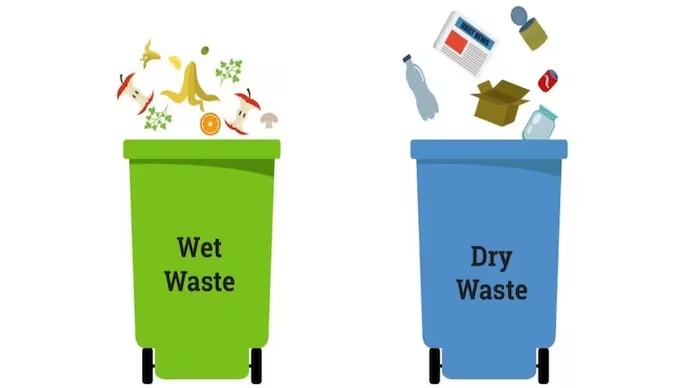
As we go about our daily lives, it’s easy to overlook the impact of our waste on the environment. However, making conscious choices about how we sort and recycle our trash can have a significant effect on reducing waste and conserving natural resources. In this article, we’ll explore why sorting waste at home is important, how to get started, and provide guidance on what materials can be recycled.
Why Sort Waste at Home?
Sorting waste at home may seem like a small act, but it plays a crucial role in mitigating the negative impacts of waste on our planet. For instance, recycling paper products, such as cardboard and newspapers, saves trees and reduces greenhouse gas emissions. Moreover, recycling aluminum cans can save up to 95% of the energy required to produce new aluminum from raw materials.
To put this into perspective, consider the following example: producing one ton of paper requires 17 trees, 7,000 gallons of water, and 4,100 kilowatt-hours of electricity. On the other hand, recycling just one ton of paper saves 17 trees, 7,000 gallons of water, and 4,100 kilowatt-hours of electricity.
Benefits of Sorted Waste
Not only does sorting waste at home contribute to a more sustainable future, but it also has economic benefits for our communities. For instance, Italy is among the top countries in the world for aluminum recycling, thanks to the efforts of individuals and businesses who sort their waste properly.
Moreover, sorted waste can create jobs and stimulate local economies. As more materials are recycled, companies are invested in creating new products from these materials, generating employment opportunities and driving economic growth.
Getting Started with Sorting Waste at Home
So, where do you start? Here are some simple steps to get you on the right track:
Distinguishing Between Recyclable and Non-Recyclable Materials
When it comes to sorting waste, it’s essential to know what materials can be recycled. This includes paper products, plastic bottles, glass containers, metal cans, and organic waste.
Here are some tips for distinguishing between recyclable and non-recyclable materials:
- Plastic bottles: Only those that are marked as “recyclable” or have the resin identification code (RIC) of #1 can be recycled.
- Glass containers: Those that are labeled as “bottled water” or “beer” can be recycled, but not those with a RIC of #7.
- Metal cans: Aluminum and steel cans can be recycled, but not tin cans.
Sorting Materials into Categories
Once you know what materials can be recycled, it’s time to sort them into categories. This will help you identify the most appropriate recycling streams for your waste.
Here are some common categories:
- Paper products
- Plastic bottles and containers
- Glass containers
- Metal cans
- Organic waste
Using Specialized Containers
To make sorting waste easier, use specialized containers that can be easily identified as recyclable or non-recyclable. These containers can help you keep track of what materials have been sorted and reduce contamination.
Here are some examples of specialized containers:
- Blue recycling bins for paper products
- Green recycling bins for plastic bottles and containers
- Clear recycling bins for glass containers
- Metal recycling bins for metal cans
What Not to Put in the Recycling Bin
There are certain materials that should never be put in the recycling bin, including:
- Plastics marked with a #2 or #4 RIC (can’t be recycled)
- Glass containers labeled as “bottled water” or “beer”
- Metal cans
- Organic waste
- Food and liquids
By following these simple steps and understanding what materials can be recycled, you’ll be well on your way to making a positive impact on the environment.
Common Mistakes to Avoid When Sorting Waste at Home
While sorting waste at home may seem like a straightforward process, there are common mistakes that can lead to contamination and reduce the effectiveness of recycling efforts. Here are some tips for avoiding these mistakes:
- Not removing lids or labels from recyclable materials
- Contaminating materials with food or liquids
- Putting non-recyclable materials in the recycling bin
- Not using specialized containers
By being aware of these common mistakes and taking steps to avoid them, you can ensure that your waste is properly sorted and recycled.
FAQs
Q: What happens to recyclable materials after they’re collected?
A: Recyclable materials are taken to a Materials Recovery Facility (MRF), where they’re sorted and processed for reuse. For example, paper products are shredded and melted into new paper, while plastic bottles are melted into new plastic pellets.
Q: Can I recycle all types of plastics?
A: While many types of plastics can be recycled, not all can be. Check the RIC on your plastic product to determine if it’s recyclable.
Q: How do I dispose of hazardous waste?
A: Hazardous waste should never be disposed of in the recycling bin. Instead, contact your local government or waste management agency for guidance on proper disposal methods.
Tips and Tricks for Sorting Waste at Home
In addition to following the steps outlined above, here are some additional tips and tricks to help you sort waste at home effectively:
- Read labels carefully: When it comes to plastic products, always read the label carefully to determine if they’re recyclable.
- Remove lids and labels: Remove lids and labels from recyclable materials before putting them in the recycling bin. This helps prevent contamination and ensures that materials can be properly processed for reuse.
- Use a ‘single stream’ system: If your community offers a single-stream recycling program, use it! This means that all materials can be placed together in one bin, making it easier to sort and process waste.
- Participate in community programs: Many communities offer special programs or events for sorting and recycling specific types of materials. Participate in these efforts to make an even bigger impact.
By following these tips and understanding what materials can be recycled, you’ll be able to make a positive impact on the environment while also saving resources and reducing waste.
Conclusion
Sorting waste at home is a simple yet powerful way to contribute to a more sustainable future. By knowing what materials can be recycled, sorting them into categories, using specialized containers, and avoiding common mistakes, you can help reduce waste and conserve natural resources. Remember to always read labels carefully, remove lids and labels from recyclable materials, use a ‘single stream’ system if available, and participate in community programs when possible.
Together, we can make a difference and create a more environmentally friendly world for future generations. So next time you’re getting ready to sort your waste at home, remember that every small act counts, and by working together, we can achieve big changes!


