
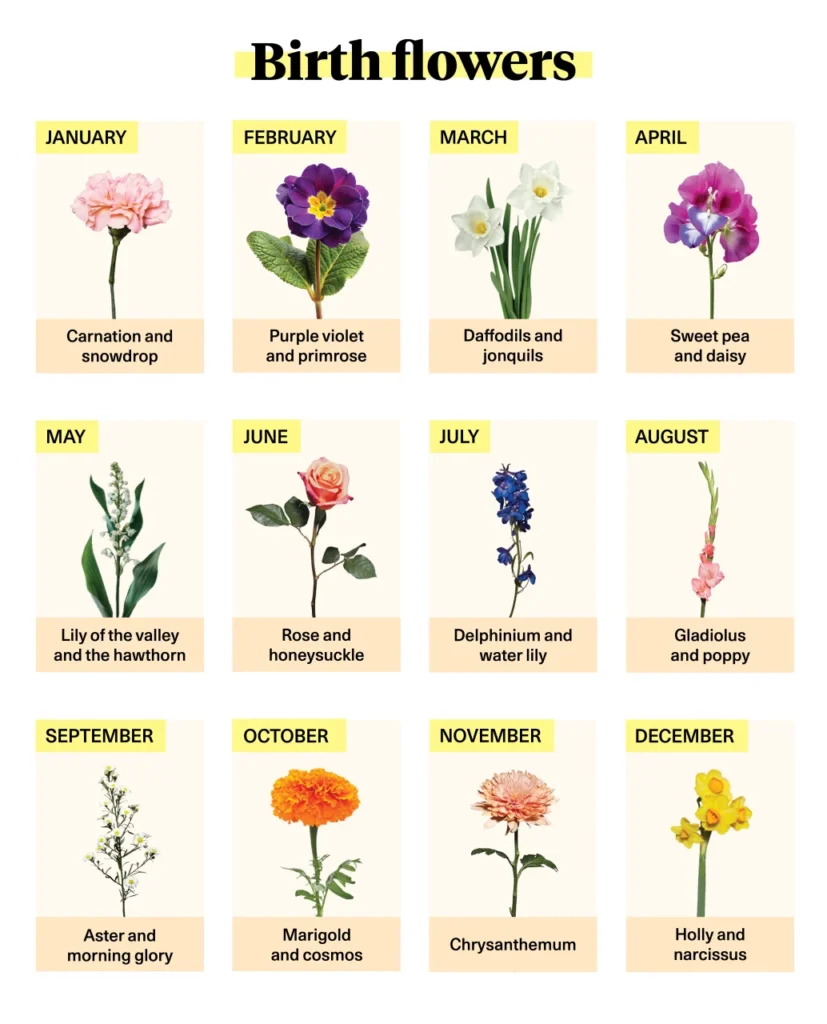
There’s a beautiful difference between sending flowers as a gesture of appreciation and choosing a bouquet for your colleague who has landed a promotion. Which criteria should you use to make this selection? Enter the world of florigraphy, where every flower and color has its own unique meaning.
Florigraphy is an ancient language that assigns significance to each bloom, allowing us to communicate in an indirect yet meaningful way. For example, red roses have long been considered a symbol of passion and love, making them the ultimate gift for someone special. By understanding the language of flowers, we can convey our emotions more effectively and show appreciation for those around us.
Understanding Color Significance
Colors play a significant role in conveying emotions and messages through flowers. Red roses represent passionate love, while pink roses signify a more gentle, sweet love. Yellow roses embody friendship, but if given to your partner, they may evoke feelings of jealousy. White roses, on the other hand, symbolize purity and innocence.
The shape and appearance of roses also carry weight in their meaning. A closed rose bud represents reserve and shyness, whereas an open one conveys enthusiasm and vitality. The number of petals can also hold significance. For example, a flower with five petals is often associated with freedom and fertility.
Flower Meanings: A Comprehensive Guide
Before gifting flowers, it’s essential to consider the intended message you want to convey. Here are some popular flowers and their meanings:
- Violas: Represent remembrance of a past love
- Primulas: Symbolize youthful, carefree love
- Lavenders: Indicate hesitation or lack of trust in others
- Girasoles: Express admiration and gratitude
- Zinnias: Represent simplicity and innocence
- Magnolias: Convey good fortune and dignity
- Glicines: Embody openness to new relationships and friendships
- Ciliegio flowers: Connect us to our heritage and tradition
- Mimosa flowers: Signify shyness or embarrassment
- Orchids: Represent sensuality and allure
- Giglio: Symbolizes innocence and purity
- Crisantemi: Convey peace and harmony
- Garofani: Express admiration and glory
- Gelsomini: Radiate joy and desire for love
When selecting flowers, it’s also essential to consider the occasion. For example:
- Wedding bouquets: Often feature white roses, lilies, and carnations, which symbolize purity, innocence, and loyalty.
- Anniversaries: Red roses are a popular choice to express passion and love.
- Birthday celebrations: Bright colors like sunflowers, gerbera daisies, and lilies can add joy and happiness to the occasion.
The Power of Flowers in Communication
Flowers have the ability to convey complex emotions and messages in a subtle, yet powerful way. By understanding the language of flowers, we can express ourselves more effectively and show appreciation for those around us.
For instance, when sending a bouquet of yellow roses to a friend, you’re expressing gratitude and admiration for their friendship. On the other hand, gifting someone a red rose may imply that you have romantic feelings towards them.
Famous Florigraphy Compositions
Throughout history, flowers have been used in various compositions to convey secret messages. For example:
- The Victorian era: During this time, florigraphy was widely used to express emotions through flowers. A bouquet of white roses and lilies might signify a proposal or engagement.
- Ancient Greece and Rome: Flowers were used to convey messages between lovers, often in the form of wreaths or garlands.
Frequently Asked Questions (FAQs)
- What is florigraphy?
Florigraphy is an ancient language that assigns significance to each bloom, allowing us to communicate in an indirect yet meaningful way. - Can I use flowers as a symbol of love for my partner who has received another engagement proposal?
If your partner is attracted to sunflowers (bocche di leone), it may signify they’re looking for someone new. - What do roses with different colors represent?
Red roses represent passionate love, while pink roses signify gentle love. Yellow roses embody friendship, and white roses symbolize purity and innocence. - Can I use flowers to express admiration or gratitude?
Yes! Girasoles (sunflowers) are a popular choice for expressing admiration and appreciation. - What is the significance of the calla lily?
The calla lily represents nobility of character and conveys admiration for someone’s beauty and strength.
Tips for Choosing the Right Flowers
When selecting flowers, consider the following tips:
- Consider the recipient’s personality: If you know your friend values simplicity and innocence, choose a bouquet featuring white or cream-colored blooms.
- Think about the occasion: For example, a wedding bouquet might feature more classic and traditional flowers like roses and carnations.
- Pay attention to color combinations: Some colors, like red and pink, can evoke strong emotions. Consider how you want your message to be received.
Conclusion
Florigraphy is an ancient language that allows us to communicate in a subtle yet meaningful way. By understanding the meanings behind every bloom, we can express our emotions more effectively and show appreciation for those around us. Whether it’s sending flowers as a gesture of love or gratitude, mastering the language of flowers can add depth and complexity to your communication.
In the world of florigraphy, there’s no one-size-fits-all approach to choosing the right flowers. Instead, consider the intended message you want to convey, the recipient’s personality, and the occasion. With practice and patience, you’ll become a master of the language of flowers, able to communicate your emotions in a way that’s both subtle and powerful.
Additional Resources
For those interested in learning more about florigraphy, here are some additional resources:
- Flower dictionaries: These books list the meanings behind various flowers, along with their colors, shapes, and appearances.
- Floral symbolism courses: Online courses can teach you how to use flowers as a form of communication, including tips on color combinations and occasion-specific bouquets.
- Florigraphy communities: Join online forums or social media groups dedicated to florigraphy to connect with others who share your interest in this ancient language.
By embracing the world of florigraphy, you can unlock a new way of communicating that’s both meaningful and beautiful. So next time you’re thinking of sending flowers, consider the language behind every bloom – you never know what hidden meaning might be conveyed.


