
Introduction
As the world shifts towards renewable energy sources, energy storage systems have become an essential component in ensuring a stable and reliable energy supply. In this article, we will explore the concept of energy storage systems for solar photovoltaic (PV) power generation, their benefits, and how they are revolutionizing the way we think about energy production.
What are Energy Storage Systems?
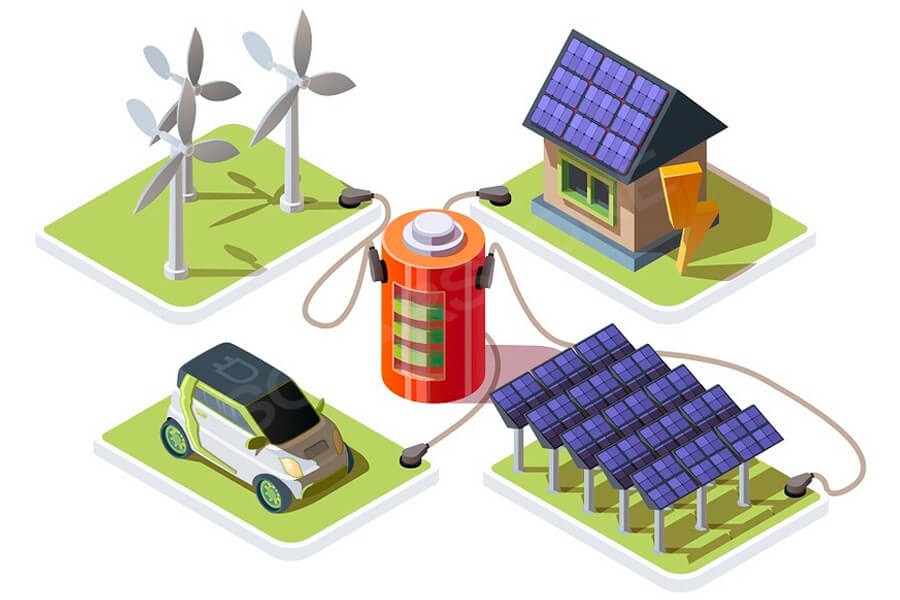
Energy storage systems are essentially large batteries that store excess electricity generated by a solar PV system. These batteries can then provide power when the sun is not shining or during periods of high energy demand. This technology has been around for decades, but it’s only recently gained significant attention due to advancements in battery technology and decreasing costs.
The Purpose of Energy Storage Systems
Energy storage systems serve two primary purposes:
- Peak Shaving: During periods of high energy demand, these systems can provide power from stored energy, reducing the strain on the grid and lowering peak electricity prices.
- Load Shift: Excess energy generated during the day can be stored in batteries for later use, shifting the load from the grid to the storage system.
Benefits of Energy Storage Systems
Energy storage systems offer several benefits, including:
- Improved Grid Resiliency: By storing excess energy, these systems can help stabilize the grid and prevent blackouts during periods of high demand.
- Increased Renewable Energy Penetration: Energy storage enables the widespread adoption of renewable energy sources by providing a buffer against intermittent power generation.
- Reduced Peak Demand Charges: By shifting load to stored energy during peak hours, these systems can significantly reduce peak demand charges.
Choosing the Right Energy Storage System
When selecting an energy storage system, consider the following factors:
- System Size: Ensure the system size is adequate to meet your energy needs and provide a buffer against power outages.
- Power Quality: Choose a system that provides high-quality power (less than 1% harmonic distortion) to ensure compatibility with your appliances.
Sustainability of Energy Storage Systems
While there are concerns about the sustainability of battery technology, advancements in recycling, and closed-loop production processes are addressing these issues. Moreover, as energy storage costs continue to decrease, the economic viability of these systems will increase, leading to a more sustainable future for renewable energy.
The Future of Energy Storage Systems
As the world transitions towards 100% renewable energy, energy storage systems will play a crucial role in ensuring a stable and reliable energy supply. With decreasing costs and increasing efficiency, these systems are poised to revolutionize the way we think about energy production and consumption.
Frequently Asked Questions (FAQs)
- Q: How long do energy storage systems last?
A: Energy storage systems can last up to 20 years or more with proper maintenance. - Q: Can I use energy storage systems for backup power during outages?
A: Yes, energy storage systems can provide backup power during outages, but it’s essential to ensure the system is properly sized and configured for this application. - Q: Are energy storage systems suitable for residential applications?
A: Energy storage systems are suitable for residential applications, but it’s crucial to consult with a professional to determine the best solution for your specific needs.
Energy Storage System Technologies
There are several types of energy storage system technologies available, including:
- Lithium-Ion Batteries: These batteries offer high energy density and long cycle life, making them suitable for both residential and commercial applications.
- Lead-Acid Batteries: These batteries are cost-effective but have a shorter lifespan compared to lithium-ion batteries.
- Flow Batteries: These batteries use liquid electrolytes and can store excess energy for extended periods.
Energy Storage System Applications
Energy storage systems have various applications, including:
- Residential Energy Storage: Energy storage systems can provide backup power during outages, reduce peak demand charges, and stabilize the grid.
- Commercial Energy Storage: Energy storage systems can help businesses reduce their energy costs, improve their reputation, and increase their competitiveness.
- Grid-Scale Energy Storage: Large-scale energy storage systems can provide stabilization services to the grid, reducing the strain on transmission lines and improving power quality.
Challenges and Limitations
While energy storage systems offer numerous benefits, there are challenges and limitations that need to be addressed, including:
- Cost: The cost of energy storage systems is decreasing but remains a significant barrier to adoption.
- Intermittency: Energy storage systems can’t solve the intermittency issue on their own; they must be integrated with other renewable energy sources like solar PV and wind power.
- Grid Integration: Energy storage systems must be properly sized, configured, and installed to ensure seamless integration with the grid.
Case Studies
Several companies and organizations have successfully implemented energy storage systems for solar PV power generation. Here are a few case studies:
- Tesla’s SolarCity: Tesla’s SolarCity has installed thousands of energy storage systems in homes across the United States, providing backup power during outages and reducing peak demand charges.
- Vestas Wind Systems: Vestas Wind Systems has partnered with Siemens to provide large-scale energy storage solutions for wind farms, improving grid stability and reducing transmission losses.
Conclusion
Energy storage systems have revolutionized the way we think about solar PV power generation. With decreasing costs, increasing efficiency, and growing adoption rates, these systems will play a critical role in ensuring a stable and reliable energy supply. As the world transitions towards 100% renewable energy, energy storage systems will continue to evolve and improve, addressing challenges and limitations along the way.
References
- National Renewable Energy Laboratory (NREL). (2020). Energy Storage Handbook.
- International Energy Agency (IEA). (2020). The Future of Energy Storage.
- BloombergNEF. (2020). New Energy Outlook 2020.
Appendix
This appendix provides additional information on energy storage systems, including technical specifications, safety considerations, and economic analysis.
- Technical Specifications: This section provides detailed information on the technical specifications of energy storage systems, including capacity, power density, and cycle life.
- Safety Considerations: This section discusses safety considerations for energy storage systems, including fire risks, electrical hazards, and environmental concerns.
- Economic Analysis: This section presents an economic analysis of energy storage systems, including costs, benefits, and payback periods.
By understanding the power of energy storage systems for solar PV power generation, we can unlock a more sustainable future for renewable energy.


