
Introduction
The fringel (Fringilla coelebs) is a colorful bird known for its melodious song and distinctive plumage. This versatile and robust bird has adapted to various environments, from urban parks to remote mountainous regions. In this article, we will explore the characteristics of the fringel, its habits, and how to care for it.
Physical Characteristics
The fringel is a member of the passeriform family, which includes approximately 5,300 species of small to medium-sized birds. The fringel’s robust appearance is similar to that of a sparrow, with a square-shaped head and conical beak. Males and females can be distinguished by their bright plumage, with males displaying a striking coloration.
Fringel Female
The female fringel has a more subdued coloration, with brownish-yellow feathers, making it easier to blend in with its surroundings. This camouflage helps the female avoid predators, particularly during breeding season.
Fringel Male
The male fringel is easily recognizable due to his vibrant plumage, featuring blue head feathers, green throat feathers, pink breast feathers, and black wing tips.
Dimensions of the Fringel
The fringel measures approximately 15 cm in length, with an opening width of up to 28 cm, and weighs around 20 grams.
Habitat and Distribution
The fringel is a diurnal, sedentary bird that can thrive in various environments, from urban areas to rural regions at any latitude. It is commonly found in forests, particularly those dominated by deciduous trees, as well as orchards, rural areas, and even parks.
Habitat Preferences
The fringel’s preferred habitat includes forests with deciduous trees, fruit groves, rural areas, and coastal zones up to 2,000 meters above sea level. Its widespread distribution across Europe, the Mediterranean region, North Africa, and northern Scandinavia allows it to adapt to diverse environments.
Diet
The fringel is primarily a herbivore, feeding on seeds, fruits, grasses, and insects. It may also consume lichens, mosses, and fungi.
Foraging Behavior
During the winter months, the fringel tends to congregate near agricultural areas in search of food. Its foraging behavior involves searching the ground for food sources.
Breeding and Reproduction
The fringel is a monogamous bird that pairs with one partner during breeding season. The male indicates the nesting site by singing and displays, after which the female constructs the nest using plant material, lichens, and mosses.
Nesting Behavior
After constructing the nest, the female lays 4-5 eggs, which incubate for approximately 13 days. Both parents help with feeding the young, which leave the nest after about 15-18 days.
Lifespan
The average lifespan of a fringel in the wild is around three years, although some individuals may live up to seven years in captivity. The mortality rate among young fringuells is relatively high, with only about half surviving their first year.
Song and Communication
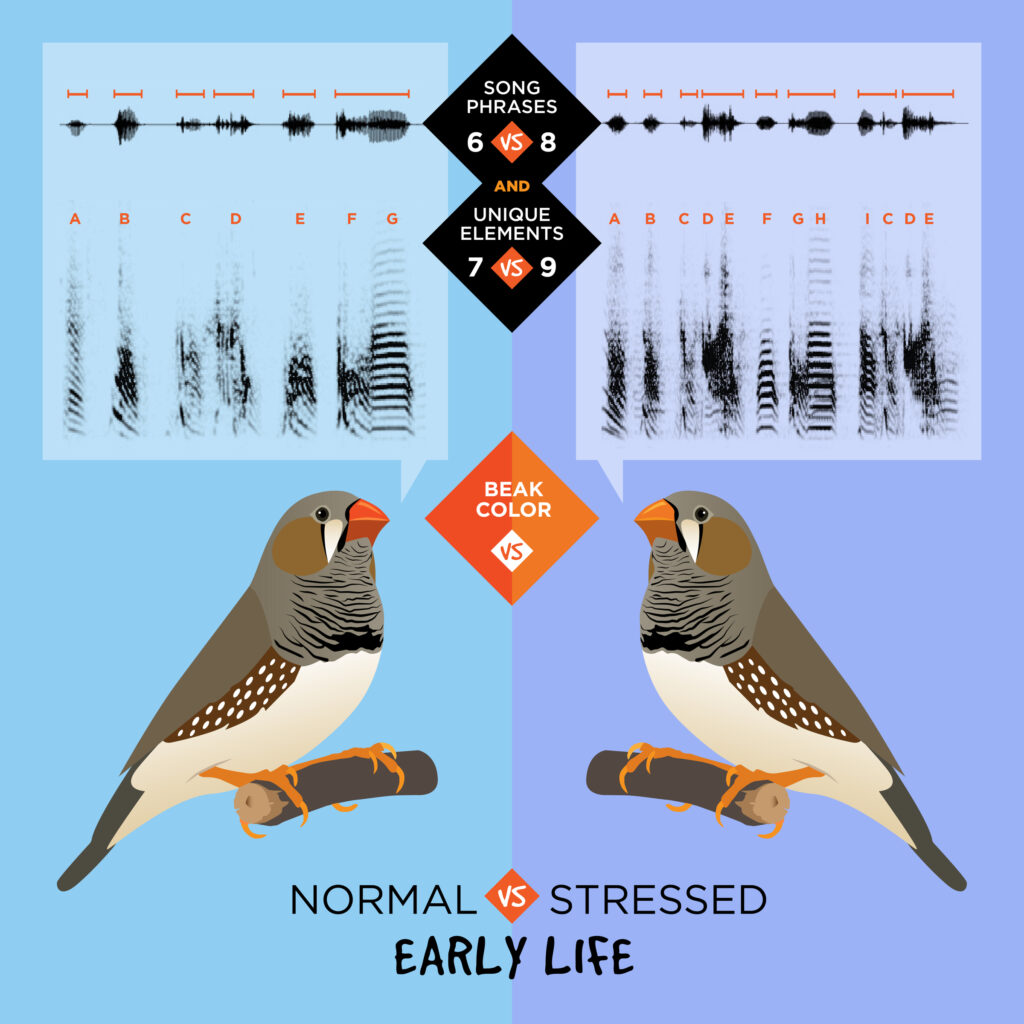
The male fringel’s song is characterized by a series of clear, high-pitched tones that create a soothing melody. This unique sound serves as a form of communication for attracting females and marking territory. The song can be repeated hundreds of times per hour.
Variations in Song
The fringel’s song may vary depending on the region, with different dialects emerging.
Rearing Fringuell
Raising fringuell requires careful attention to their needs. Providing a spacious aviary is essential for allowing them to fly freely.
- Space and Comfort: A large enough enclosure must be provided to allow for comfortable flight.
- Water and Food: Fresh water and balanced food should be available at all times.
- Temperature Control: The aviary should be kept at a comfortable temperature, with adequate shading during hot periods.
- Cleaning: Regular cleaning of the aviary is necessary to prevent parasite infestations.
Conservation Status
The fringel is protected by law as a species. While this has helped reduce hunting pressure, poaching remains a concern due to corruption and lack of enforcement. Efforts to monitor populations and enforce protection measures are essential for conservation efforts.
Conclusion
In conclusion, the fringel is an enchanting bird with a unique appearance and captivating song. Its adaptability to various environments has contributed to its widespread distribution across Europe and beyond. By understanding its habits and needs, we can promote responsible breeding and conservation practices to ensure the continued survival of this remarkable species.
Frequently Asked Questions
Q: How do I care for a fringel?
A: Provide a spacious aviary with fresh water, balanced food, and adequate temperature control. Regular cleaning is also essential to prevent parasite infestations.
Q: Can I keep a fringel as a pet?
A: While it’s technically possible, keeping a fringel in captivity requires specialized knowledge and equipment to ensure the bird’s well-being.
Q: Why is the fringel protected by law?
A: The fringel is protected due to concerns about overhunting and habitat destruction. Conservation efforts are essential for maintaining healthy populations.
Q: How long do fringuell live in the wild?
A: In the wild, fringuell typically live around three years, although some individuals may survive up to seven years in captivity.
Q: Can I help protect the fringel’s habitat?
A: Yes, you can support conservation efforts by creating bird-friendly habitats and promoting sustainable practices in your community.


