
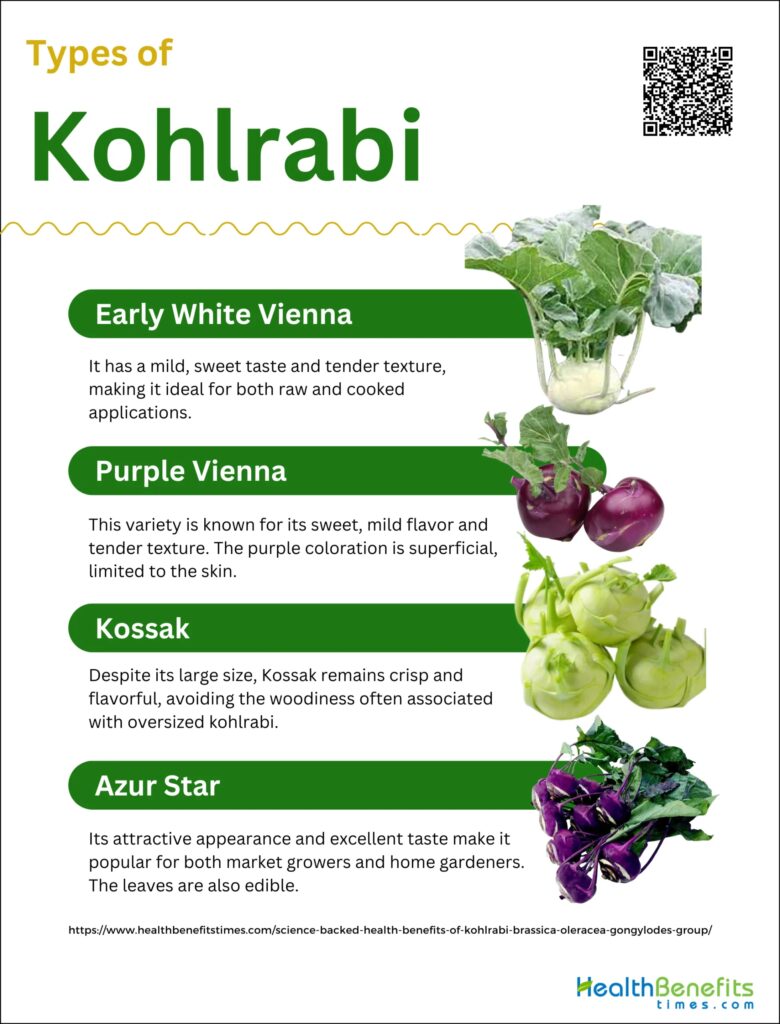
As we explore the world of vegetables, one often-overlooked gem is the cauliflower. Also known as cavolo rapa, this cruciferous vegetable has been a staple in many cuisines for centuries. In this article, we’ll delve into the properties and recipes of cauliflower, exploring its versatility, nutritional benefits, and how to cultivate it.
Properties and Nutrition of Cauliflower
Cauliflower is an excellent source of vitamin C, but it’s not as well-known for this attribute. However, its anti-cancer properties are well-documented. Research published in the Journal Acta Horticulturae analyzed the properties and glucosinolate content of 11 Brassica oleracea varieties, including cauliflower. The results showed that cauliflower green contained four times more glucosinolates than traditional white cauliflower.
The high water content and low calorie count make cauliflower an excellent addition to a weight loss diet. Cauliflower is also rich in dietary fiber, containing both soluble and insoluble fiber, which can help regulate blood sugar levels and promote digestive health.
Nutritional Benefits of Cauliflower
Cauliflower is low in calories, with 100 grams providing only 27 calories. Vitamin C also helps the body produce carnitine, which encourages the transformation of fat deposits into energy. With its impressive nutritional profile, cauliflower is an excellent addition to a healthy diet.
In addition to vitamin C and carnitine, cauliflower contains other essential nutrients such as:
- Folate: important for cell growth and development
- Vitamin K: necessary for blood clotting and bone health
- Manganese: involved in the body’s antioxidant processes
- Antioxidants: help protect against oxidative stress and inflammation
Preparation Methods for Cauliflower
Cauliflower can be cooked in various ways, including steaming, boiling, sautéing, or roasting. It’s also delicious raw and can be used as a topping for salads, soups, or other dishes.
One of the most popular preparation methods is to use cauliflower as a substitute for grains. Cauliflower “rice” or “grain” is made by grating or food-processing the cauliflower into small pieces that can be used in place of rice in many recipes.
Cauliflower Stuffed with Spinach and Cheese
Ingredients:
- 4 heads of cauliflower
- 400g fresh spinach leaves
- 100g ricotta cheese or quark
- 25g Parmesan cheese
- 1 egg yolk
- 1 small garlic clove, minced
- Salt and pepper to taste
- 1/2 lemon, juiced
- Olive oil for greasing the baking dish
To prepare this recipe, simply clean and prepare the cauliflower, cook it in the oven until tender, then fill each head with a mixture of spinach, cheese, egg, garlic, salt, and pepper. Return to the oven for an additional 10 minutes.
This recipe is perfect as a vegetarian main course or side dish. The ricotta cheese adds creaminess, while the Parmesan provides a salty, nutty flavor.
Cauliflower as a Superfood
With its impressive nutritional profile and versatility in cooking, cauliflower is an excellent addition to a healthy diet. Whether you’re looking for a low-calorie recipe or want to explore new ways of preparing this vegetable, cauliflower is sure to impress.
Incorporating cauliflower into your diet can have numerous health benefits, including:
- Weight loss: Cauliflower’s high water content and low calorie count make it an excellent addition to a weight loss diet.
- Reduced inflammation: The antioxidants in cauliflower may help reduce inflammation in the body.
- Improved digestion: The dietary fiber in cauliflower can help regulate blood sugar levels and promote digestive health.
Growing Cauliflower: A Beginner’s Guide
While growing cauliflower may seem intimidating, it’s actually relatively easy to cultivate. To start, choose a sunny spot with well-draining soil and plant the seeds in spring or winter.
Here are some tips for growing cauliflower:
- Choose a variety that is suitable for your climate and region.
- Plant seeds 2-3 inches deep and 12-18 inches apart.
- Water regularly, but avoid overwatering, which can lead to root rot.
- Fertilize with a balanced fertilizer once a month.
- Harvest when the head is firm and compact.
Conclusion
In conclusion, cauliflower is a versatile and nutritious vegetable that deserves more attention in our diets. Whether you’re looking for a low-calorie recipe or want to explore new ways of preparing this vegetable, cauliflower is sure to impress. With its impressive nutritional profile and ease of cultivation, cauliflower is an excellent addition to any garden or kitchen.
Frequently Asked Questions
- What are the health benefits of eating cauliflower?
Cauliflower is low in calories and rich in vitamins C and K, as well as glucosinolates, which have been shown to have anti-cancer properties. - How do I cook cauliflower?
You can steam, boil, sauté, or roast cauliflower for a delicious and healthy side dish. - Is cauliflower suitable for vegetarians?
Yes, cauliflower is a great source of protein and can be used as a meat substitute in many recipes. - Can I grow cauliflower indoors?
Yes, you can grow cauliflower indoors using containers and proper care. - How do I store cauliflower?
Cauliflower should be stored in the refrigerator to keep it fresh for up to 5 days. - Is cauliflower gluten-free?
Yes, cauliflower is naturally gluten-free. - Can I use cauliflower in soups?
Yes, cauliflower can be used in a variety of soups, such as minestrone or creamy soups. - How do I prepare cauliflower for salads?
Cauliflower can be grated, chopped, or pureed and added to salads for a healthy and tasty twist.
Additional Cauliflower Recipes
Here are some additional cauliflower recipes you might enjoy:
- Roasted Cauliflower with Lemon and Garlic: Roast cauliflower florets in the oven with lemon juice, garlic, and olive oil for a delicious and flavorful side dish.
- Cauliflower Gnocchi: Use cooked cauliflower as a base for homemade gnocchi. Simply puree the cauliflower and mix it with flour and egg to create a dough that can be shaped into gnocchi.
- Cauliflower Pizza Crust: Use cauliflower as a substitute for traditional pizza crust. Simply puree the cauliflower and mix it with cheese, eggs, and spices to create a crust that can be topped with your favorite ingredients.
We hope you’ve enjoyed this article about cauliflower! Whether you’re looking for new ways to prepare this versatile vegetable or want to learn more about its nutritional benefits, we’re here to help.


