
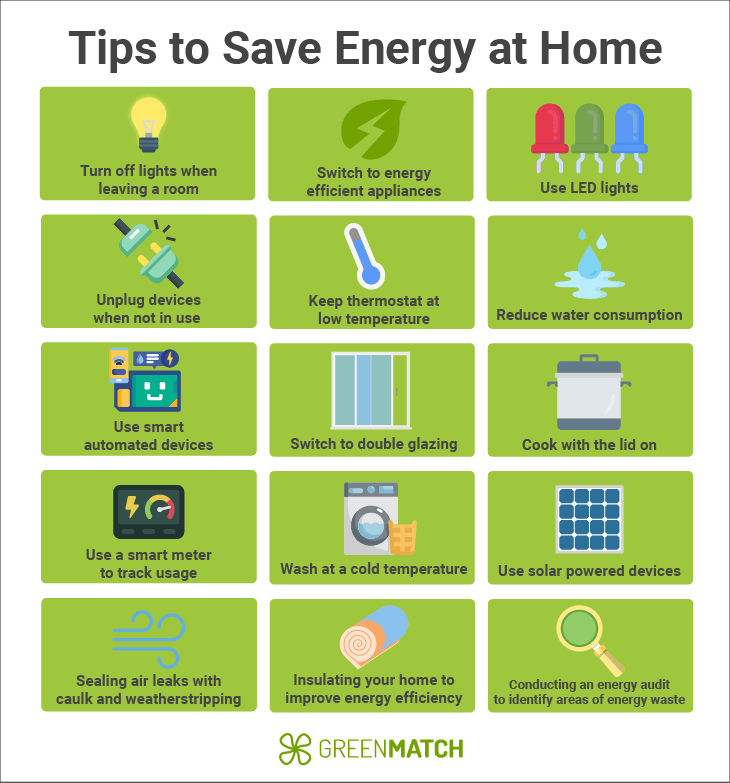
As we strive to reduce our carbon footprint and lower our energy bills, it’s essential to understand the simple yet effective ways to conserve energy in our homes. From modifying our behavior and building structures to adopting sustainable practices, there are numerous strategies to minimize waste and save on both gas and electricity.
The Importance of Energy Efficiency
Energy efficiency is not only good for our wallets but also has a positive impact on the environment. By conserving energy, we reduce our reliance on fossil fuels, lower greenhouse gas emissions, and contribute to a more sustainable future. So, let’s dive into the world of energy efficiency and explore ways to make a difference.
Behavioral Changes: The Easy Wins
Before diving into costly renovations or purchasing new appliances, start by making some simple behavioral changes:
- Switch off lights, electronics, and appliances when not in use: This habit alone can save you up to 60 euros per year. Make it a point to turn off lights, TVs, computers, and other electronic devices when they’re not in use. It’s surprising how much energy these devices consume even when turned off but still plugged in.
- Avoid overloading your electrical outlets: Don’t overload your outlets with too many devices, as this can increase energy consumption and strain your electrical system. This is especially true for older homes or those with outdated electrical systems.
- Clean your refrigerator regularly: Failing to clean your fridge can lead to energy consumption increases of up to 10%. Dust, mold, and other debris can accumulate inside the fridge, causing it to work harder and consume more energy.
- Adjust your thermostat: Lowering the temperature by just one degree can save you around 8% on gas bills. Experiment with different temperatures during different times of day to find a comfortable level that still saves you money.
Structural Changes: Investing in Energy Efficiency
If you’re willing and able, consider making some structural changes to your home:
- Install thermal insulation: Proper insulation can help reduce heat loss in the winter and heat gain in the summer, saving you up to 25% on energy bills. This is especially important for homes with old or inadequate insulation.
- Upgrade to energy-efficient appliances: Look for appliances with high Energy Efficiency Ratings (EERs) or those that have been certified by organizations such as ENERGY STAR. These appliances are designed to consume less energy while still providing the same level of performance as their traditional counterparts.
- Install a programmable thermostat: Automate your temperature adjustments to optimize your heating and cooling usage. A programmable thermostat can learn your schedule and preferences, adjusting the temperature accordingly when you’re not home or sleeping.
Smart Home Technologies: The Future of Energy Efficiency
As technology advances, smart home devices become more prevalent. Consider incorporating these features into your home:
- Smart thermostats: These devices can learn your temperature preferences and adjust accordingly, ensuring optimal energy efficiency. Some smart thermostats even allow you to control your heating and cooling from your phone or tablet.
- Energy monitoring systems: Keep track of your energy consumption in real-time, identifying areas where you can make adjustments. Energy monitoring systems can provide valuable insights into your energy usage, helping you pinpoint areas for improvement.
Sustainable Living: The Big Picture
Living sustainably is about making conscious choices that benefit both our health and the environment. Consider adopting these practices:
- Reduce meat consumption: Animal agriculture is a significant contributor to greenhouse gas emissions. By reducing your meat intake or adopting a plant-based diet, you can significantly lower your carbon footprint.
- Use public transportation or carpool: Decrease your carbon footprint by using eco-friendly modes of transportation. Consider carpooling, biking, or taking public transportation for trips under 10 miles.
- Recycle and compost: Properly disposing of waste reduces the need for new resources. Make sure to recycle paper, plastic, glass, and metal, as well as compost food waste and yard trimmings.
Additional Strategies
In addition to these strategies, consider implementing other energy-saving measures:
- Seal air leaks: Caulk and weatherstrip around windows and doors to prevent heat from escaping. This can save you up to 10% on heating bills during the winter months.
- Use power strips: Plug your electronics into power strips and turn off the strip when not in use to eliminate standby power consumption.
- Conduct an energy audit: Hire a professional to conduct an energy audit of your home, identifying areas where you can improve energy efficiency.
Conclusion
By implementing these strategies, you’ll not only save energy but also contribute to a more sustainable future. Start making changes today and watch your energy efficiency improve over time. Remember, every small change counts, and collective action can lead to significant positive change.


