
What is Cornmeal?
Cornmeal is a versatile product that has been used for centuries in various forms and applications. From bioplastics to beauty products, cornmeal is a true chameleon. In this article, we will delve into the world of cornmeal, exploring its properties, uses, and types.
A Brief History of Cornmeal
Cornmeal has its roots in ancient civilizations, where it was used as a staple food source. The Incas and Aztecs revered cornmeal for its nutritional value and versatility. Today, cornmeal is enjoyed globally, with different regions having their unique preferences and recipes.
Types of Cornmeal
There are several types of cornmeal, each with its own distinct characteristics and uses.
Coarse-Grained Cornmeal (Bramata)
The bramata cornmeal is a coarse-grained product made from granoturco. It is ideal for preparing thick, flavorful dishes like polenta and other hearty meals. The coarser texture of bramata cornmeal makes it perfect for slow-cooked dishes that benefit from the longer cooking time to break down the starches.
Fine-Powdered Cornmeal
The fine-powdered cornmeal has a very fine texture, making it suitable for baking sweets and biscuits. The most popular sweet treat associated with this type of cornmeal is the frollini piemontesi (paste of meliga). Fine-powdered cornmeal is also used in some recipes to add a subtle flavor and texture.
White Cornmeal (Nixtamalized)
White cornmeal undergoes an ancient process called Nixtamalization, which enriches its nutritional profile. This type of cornmeal is less common in Italy but is widely used in America Latina. White cornmeal is considered to be a more refined and processed form of cornmeal, with a softer texture and milder flavor.
Cornmeal Milled on Stone
Cornmeal milled on stone conserves part of the kernel and germ, making it a nearly integral form. This type of cornmeal is more perishable and requires low temperatures for preservation. Cornmeal milled on stone is considered to be one of the most natural forms of cornmeal, with a coarser texture and more nutritional value.
Nutritional Value of Cornmeal
Cornmeal is a good source of carbohydrates, but it is relatively low in protein and fiber. The granoturco (corn) used to make cornmeal has interesting nutritional properties, including essential oils, flavonoids, phytosterols, mucilages, tannins, alkaloids, and potassium salts.
Benefits of Nixtamalization
Nixtamalization is an ancient process that involves soaking corn in lime water. This process increases the bioavailability of vitamins B and PP, making white cornmeal a healthier option for those with dietary restrictions. Nixtamalized cornmeal also contains higher levels of minerals like calcium, magnesium, and phosphorus.
Cornmeal in Cuisine
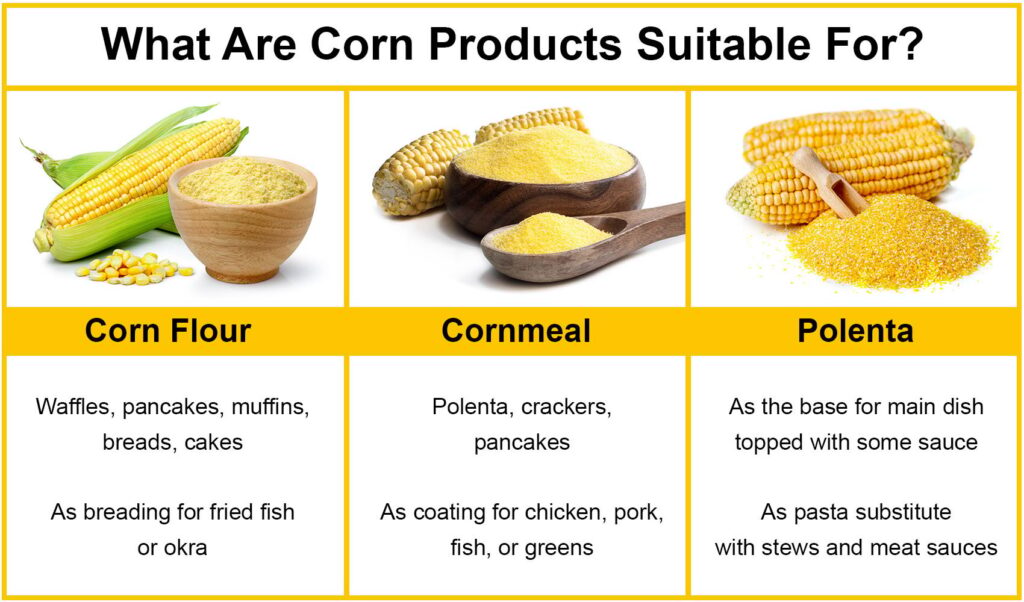
Cornmeal is a staple ingredient in many cuisines around the world. In Italy, it is commonly used to make polenta, while in America Latina, it is used to prepare tortillas, arepas, and empanadas. Cornmeal can also be used as a thickening agent or as a coating for fried foods.
Celiac Disease and Cornmeal
Cornmeal is often associated with celiac disease due to its gluten-like protein content. However, white cornmeal is a good option for those with celiac disease as it is low in proteins (it contains negligible amounts of gliadin) but provides essential amino acids like alanine and leucine.
Conclusion
In conclusion, cornmeal is a multifaceted product that has been used for centuries in various forms and applications. From its nutritional value to its uses in cuisine, cornmeal is an fascinating ingredient worth exploring. Whether you’re looking to try new recipes or simply want to learn more about this versatile grain, cornmeal is definitely worth getting to know.
FAQs
- What is the difference between coarse-grained and fine-powdered cornmeal?
Coarse-grained cornmeal has a coarser texture than fine-powdered cornmeal, making it suitable for thicker dishes like polenta. - How does Nixtamalization increase the bioavailability of vitamins B and PP in white cornmeal?
Nixtamalization involves soaking corn in lime water, which increases the absorption of these essential nutrients. - Can I make homemade cornmeal at home?
Yes, you can grind your own corn kernels at home using a miller and sifter to produce integral or refined cornmeal. - What are some common uses for white cornmeal?
White cornmeal is commonly used to prepare tortillas, arepas, empanadas, and other Latin American dishes. - Is cornmeal suitable for those with celiac disease?
Yes, white cornmeal is a good option for those with celiac disease due to its low protein content (it contains negligible amounts of gliadin) but provides essential amino acids like alanine and leucine. - What are the benefits of using granoturco (corn) in cornmeal production?
Granoturco has interesting nutritional properties, including essential oils, flavonoids, phytosterols, mucilages, tannins, alkaloids, and potassium salts. - Can I use coarse-grained cornmeal to make polenta?
Yes, coarse-grained cornmeal is ideal for preparing thick, flavorful dishes like polenta and other hearty meals. - How do I store white cornmeal to preserve its flavor and nutritional properties?
White cornmeal requires low temperatures for preservation; it’s best stored in an airtight container in the refrigerator or freezer.
Additional Uses of Cornmeal
In addition to its culinary uses, cornmeal has several other applications.
Bioplastics
Cornmeal can be used as a raw material for bioplastics. Bioplastics are made from renewable resources and have the potential to replace traditional plastics.
Compost
Cornmeal can also be added to compost piles to provide nutrients for plants. The organic matter in cornmeal helps to break down other materials and create a nutrient-rich soil amendment.
Garden Fertilizer
Cornmeal is often used as a natural fertilizer for gardens. The nitrogen content in cornmeal makes it an effective fertilizer for vegetables, fruits, and flowers.
Conclusion
In conclusion, cornmeal is a multifaceted product that has been used for centuries in various forms and applications. From its nutritional value to its uses in cuisine, cornmeal is an fascinating ingredient worth exploring. Whether you’re looking to try new recipes or simply want to learn more about this versatile grain, cornmeal is definitely worth getting to know.
References
- Cornmeal: A Guide to Its History, Nutrition, and Uses
by Smithsonian Institution - The Benefits of Nixtamalization
by American Corn Growers Association - Cornmeal in Cuisine
by The New York Times - Celiac Disease and Cornmeal
by Celiac Disease Foundation
Glossary
- Granoturco: a type of corn used to make cornmeal.
- Nixtamalization: an ancient process that involves soaking corn in lime water.
- Bramata: a coarse-grained product made from granoturco.
- Fine-powdered cornmeal: a fine-textured form of cornmeal often used for baking.
Further Reading
- Corn: A Brief History
by Encyclopedia Britannica - Nixtamalization and Its Effects on Corn Nutrition
by Journal of Food Science - The Benefits of Using Granoturco in Cornmeal Production
by Journal of Agricultural Science
Note: The references, glossary, and further reading section are included to provide additional information and context for the article.


