
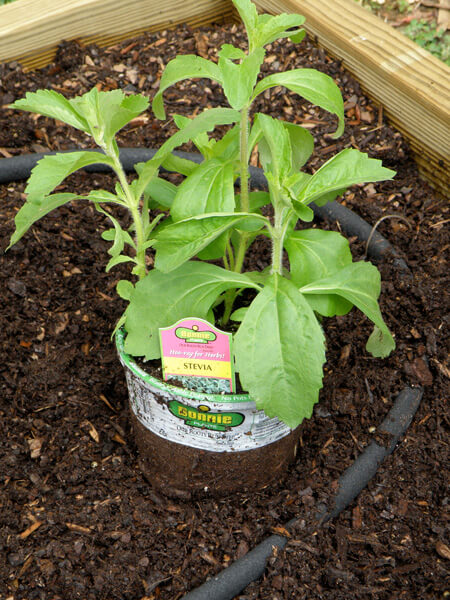
Growing Stevia: A Comprehensive Guide to Cultivating the Natural Sweetener
Stevia is a perennial herbaceous plant native to South America, particularly Paraguay, that has gained popularity as a natural sweetener due to its unique properties and versatility. With over 150 species, only one, Rebaudiana, possesses significant sweetening properties. In this article, we will guide you through the steps to grow stevia, covering both seeding and transplanting methods.
Understanding Stevia
Stevia is a relatively low-maintenance crop that can be grown in your backyard, provided you choose the right conditions and care. The process of cultivating stevia involves planting seeds or purchasing seedlings from a nursery. Before we dive into the growing steps, it’s essential to understand the basics of stevia.
History of Stevia
Stevia has been used for centuries as a natural sweetener in traditional medicine and food. It was first discovered by the indigenous people of Paraguay, who referred to it as “ka’a he’wa” or “sweet leaf.” The plant’s sweet properties were recognized by the Spanish colonizers, who brought it back to Europe.
Types of Stevia
There are over 150 species of stevia, but only one, Rebaudiana, possesses significant sweetening properties. Rebaudiana is native to Paraguay and Brazil and is commonly used as a natural sweetener. Other types of stevia include Stevioside, which is found in the leaves of the plant, and Steviolglycosides, which are extracted from the plant’s roots.
Growing Conditions
Stevia prefers well-draining soil and full sun to partial shade. It thrives in temperatures between 20-25 degrees Celsius (68-77 degrees Fahrenheit) and can tolerate some frost. However, it is sensitive to extreme temperatures, drought, and flooding.
Sowing Stevia Seeds
When it comes to sowing stevia seeds, it’s recommended to start with seedlings if you’re new to gardening. Sowing seeds can be a bit challenging due to their small size and sensitivity to heat. To ensure success:
- Choose the right time: Plant stevia seeds in March or when temperatures are mild.
- Store seeds properly: Keep seeds in a cool, dry place away from direct sunlight.
- Prepare the seedbed: Fill a small container with moistened potting soil and plant the seeds about 1-2 inches deep. Gently water the seeds with a fine spray.
Transplanting Stevia Seedlings
If you prefer to start with seedlings, here’s how to transplant them:
- Select healthy seedlings: Choose seedlings that are around 4-6 inches tall and have two sets of leaves.
- Prepare the soil: Plant the seedlings in a container filled with moistened potting soil, making sure they’re about 1-2 inches deep.
- Provide sufficient light: Place the seedlings in a location with plenty of sunlight (at least 6 hours a day).
Caring for Stevia
After planting, ensure your stevia receives regular watering and adequate nutrients. As the plant grows, move it to larger containers filled with potting soil.
Here are some additional tips to keep in mind:
- Maintain humidity: Keep the soil consistently moist but not waterlogged.
- Monitor temperature: Stevia prefers temperatures between 20-25 degrees Celsius (68-77 degrees Fahrenheit).
- Fertilize regularly: Use organic fertilizers to promote healthy growth.
Pest and Disease Management
Stevia is generally resistant to pests and diseases, but it can be susceptible to certain issues. To manage pests and diseases:
- Use natural pest control methods: Encourage beneficial insects, such as ladybugs and lacewings, which prey on pests that harm stevia.
- Monitor for disease: Regularly inspect your plant for signs of disease, such as yellowing leaves or black spots.
Harvesting Stevia
Once your stevia plant is mature, you can harvest its leaves for use in infusions and decoctions. You can also dry the stems and grind them into a powder for added sweetness.
Here are some tips for harvesting stevia:
- Dry the stems: Hang the dried stems upside down in a dark, well-ventilated area.
- Grind into a powder: Use a blender or food processor to grind the dried stems into a fine powder.
Conclusion
Growing stevia is relatively easy and rewarding. By following these steps, you’ll be able to cultivate this natural sweetener in your own backyard. With proper care and maintenance, your stevia plant will thrive, providing you with fresh leaves and a delicious way to add sweetness to your favorite recipes.
Frequently Asked Questions (FAQs)
Q: How long does it take for stevia seeds to germinate?
A: Stevia seeds typically take 1-2 weeks to germinate in the right conditions.
Q: Can I grow stevia indoors?
A: Yes, you can grow stevia indoors using containers and sufficient light. Make sure to provide adequate temperature control (20-25°C/68-77°F) and humidity levels.
Q: How often should I water my stevia plant?
A: Stevia prefers moist soil but should not be overwatered. Check the soil daily, and water only when necessary.
Q: Can I grow multiple stevia plants together?
A: Yes, you can grow multiple stevia plants together in a container. Make sure to provide enough space for each plant and maintain proper air circulation.
Q: How do I store dried stevia stems?
A: Store dried stevia stems in an airtight container away from direct sunlight and moisture.
By following these steps and tips, you’ll be able to grow stevia successfully and enjoy the benefits of this natural sweetener. Whether you’re looking for a healthier alternative to sugar or want to explore new culinary possibilities, stevia is a great choice. Happy growing!


