
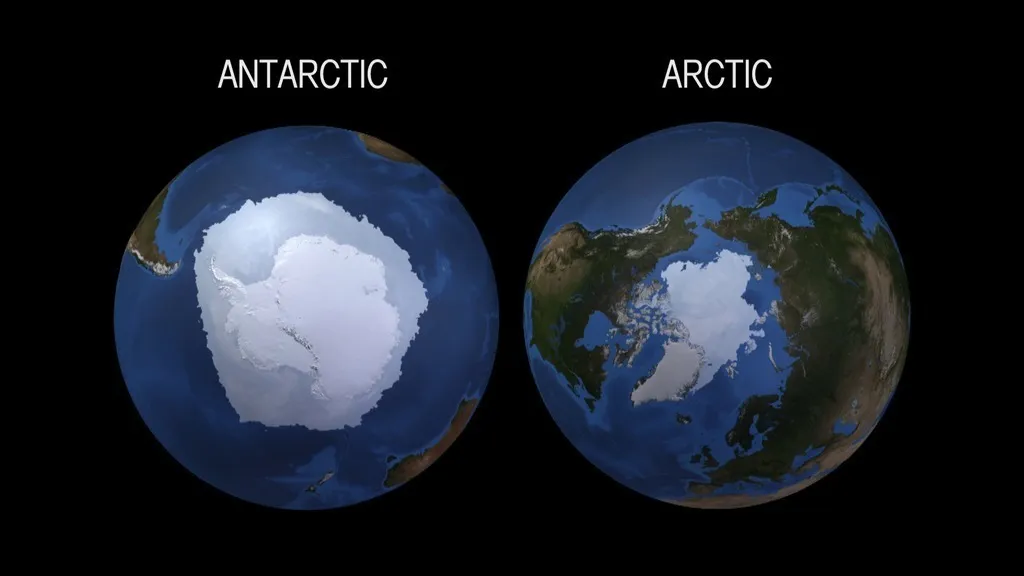
The Arctic and Antarctica are two of the most extreme regions on Earth, with characteristics that set them apart from one another. In this article, we’ll delve into the differences between the Arctic and Antarctica, including their geography, climate, and inhabitants.
What is the Arctic and What is the Antartic?
The Arctic refers to the region surrounding the North Pole, while Antarctica is a continent located at the South Pole. The Arctic is a vast area that includes the northernmost parts of Canada, Alaska, Russia, Greenland, and Norway. Antarctica, on the other hand, is a separate continent that encompasses the southernmost part of the globe.
Geography of the Arctic and Antartic
The Arctic is characterized by its unique geography, with towering icebergs, glaciers, and snow-capped mountains. The region is also home to several large islands, including Greenland and Ellesmere Island. In contrast, Antarctica is a vast, icy continent that covers an area of over 14 million square kilometers (5.4 million sq mi). The continent is divided into two main regions: East Antarctica and West Antarctica.
Climate of the Arctic and Antartic
The climate in the Arctic is cold and harsh, with temperatures often dropping below -20°C (-4°F) in the winter months. The region experiences almost 24 hours of daylight during the summer solstice and complete darkness during the winter solstice. In contrast, Antarctica is even colder, with an average temperature of around -50°C (-58°F) in the winter months.
Inhabitants of the Arctic and Antartic
The Arctic is home to several indigenous communities, including the Inuit, Yupik, and Aleut peoples. These groups have lived in the region for thousands of years, adapting to the harsh climate and developing unique cultures and traditions. Antarctica, on the other hand, has no permanent residents, only temporary scientists and researchers who visit the continent during the austral summer (November to March).
Effects of Climate Change
Both the Arctic and Antarctica are experiencing the effects of climate change, but in different ways. The Arctic is warming at a rate twice as fast as the global average, with temperatures increasing by around 2°C (3.6°F) over the past few decades. This has led to the melting of sea ice and the thawing of permafrost, which could have significant implications for the region’s ecosystems and wildlife. Antarctica, on the other hand, is also experiencing warming, but at a slower rate than the Arctic.
Key Differences between the Arctic and Antartic
- Location: The Arctic is located near the North Pole, while Antarctica is located at the South Pole.
- Geography: The Arctic is characterized by its unique geography, with towering icebergs, glaciers, and snow-capped mountains. Antarctica, on the other hand, is a vast, icy continent that covers an area of over 14 million square kilometers (5.4 million sq mi).
- Climate: The climate in the Arctic is cold and harsh, while Antarctica is even colder.
- Inhabitants: The Arctic is home to several indigenous communities, including the Inuit, Yupik, and Aleut peoples. Antarctica has no permanent residents, only temporary scientists and researchers who visit the continent during the austral summer (November to March).
- Effects of Climate Change: Both regions are experiencing the effects of climate change, but in different ways.
Conclusion
The Arctic and Antarctica are two unique and fascinating regions on our planet. While they share some similarities, they also have many differences that set them apart from one another. By understanding these differences, we can better appreciate the importance of preserving these regions for future generations.
Frequently Asked Questions (FAQs)
- What is the difference between the Arctic and Antarctica?
The Arctic is located near the North Pole, while Antarctica is located at the South Pole. - Which region has a warmer climate?
The Arctic is warming at a rate twice as fast as the global average, with temperatures increasing by around 2°C (3.6°F) over the past few decades. - Which region has no permanent residents?
Antarctica has no permanent residents, only temporary scientists and researchers who visit the continent during the austral summer (November to March). - How is climate change affecting both regions?
Both regions are experiencing the effects of climate change, but in different ways. The Arctic is warming at a rate twice as fast as the global average, while Antarctica is experiencing warming at a slower rate. - What can be done to protect these regions?
Preserving these regions for future generations requires a concerted effort from governments, scientists, and individuals around the world.
By working together, we can help protect these unique and fascinating regions for years to come.


