
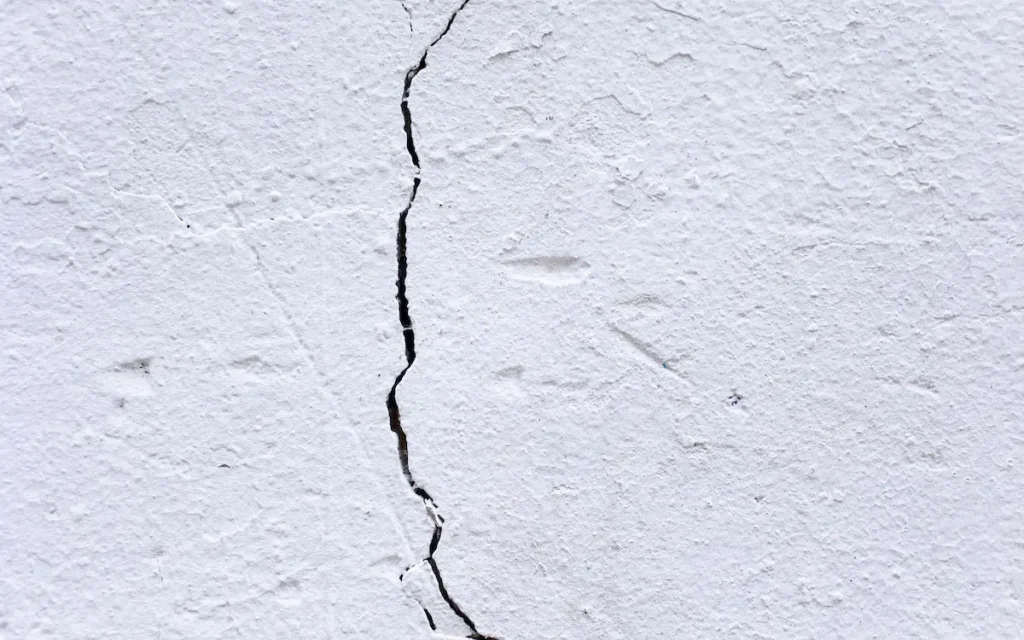
As a homeowner, it’s natural to feel concerned when you notice cracks in your walls. These imperfections can make you wonder if they pose a threat to the integrity of your home and whether they require immediate attention. In this article, we’ll delve into the world of wall cracks, exploring their causes, types, and what you can do about them.
The Importance of Monitoring Cracks
Any crack in your wall, even if it seems insignificant, deserves your attention. While superficial cracks can be easily repaired with DIY solutions, deeper ones may require professional intervention. It’s essential to monitor your walls for signs of damage, as ignoring these issues can lead to more severe problems down the line.
Cracks can start as small fissures and gradually grow over time, potentially leading to more significant damage if left unchecked. For instance, a small crack in a wall can allow water to seep in, causing further damage to the structure and potentially leading to costly repairs.
Repairing Superficial Cracks
If you’ve identified superficial cracks in your interior or exterior walls, you can attempt to repair them yourself. This usually involves applying a patching compound or joint tape to seal the gap. However, if you’re unsure about the severity of the crack or its location, it’s always best to consult a professional for guidance.
Some common DIY solutions for superficial cracks include:
- Spackling compound: A type of paste used to fill small holes and cracks in walls.
- Joint tape: A flexible tape used to seal gaps between joints in walls.
- Drywall repair compound: A specialized compound designed to repair drywall damage.
However, if you’re not comfortable with the process or if the crack is particularly large, it’s always best to consult a professional for guidance. They can assess your walls and provide personalized advice on how to address any potential issues.
Causes of Cracks
Superficial cracks are often caused by issues like:
- Water infiltration: Water seeping into the wall through gaps or cracks in the foundation, windows, or doors.
- Mould and mildew growth: The growth of mould and mildew on walls due to moisture accumulation.
- Condensation and vapors: The formation of condensation or vapors between materials, leading to cracking.
- Thermal expansion: The contraction or expansion of materials as they are exposed to temperature changes.
These factors can lead to damage in your walls, but it’s essential to note that they don’t necessarily mean you’re at risk. On the other hand, deeper cracks may be caused by structural issues such as:
- Movement and settlement of foundations: The movement or settling of a home’s foundation over time.
- Soil conditions (e.g., waterlogged or unstable soil): Soil that is prone to waterlogging or instability, leading to foundation damage.
- Poor construction or design: Issues with the original construction or design of your home.
These underlying problems can have significant consequences if left unchecked. For instance, a foundation movement can lead to further damage to the walls and potentially compromise their integrity.
Types of Cracks
Cracks can occur in various forms, including:
- Horizontal cracks: These can be a sign of settling foundations or soil movement.
- Inclined cracks: Often caused by shrinkage or expansion between materials.
- Arched cracks: May indicate more severe structural issues.
The location and depth of these cracks will help determine the best course of action for repair or further evaluation. For example, a horizontal crack in an exterior wall may be a sign of foundation movement, while an inclined crack in an interior wall could indicate shrinkage between materials.
When to Seek Professional Help
If you’re unsure about the severity of a crack or its cause, it’s always better to consult a professional. They can assess your walls and provide guidance on how to address any potential issues. In some cases, more extensive repairs may be necessary, especially if the crack is deep or appears in multiple locations.
Some signs that you may need professional help include:
- Deeper cracks: Cracks that are more than 1/4 inch deep or appear in multiple locations.
- Structural damage: Visible damage to the walls, such as sagging or bowing.
- Water damage: Signs of water damage, such as staining or discoloration.
In conclusion, cracks in walls can be both frustrating and concerning. By understanding their causes, types, and signs of damage, you’ll be better equipped to handle these imperfections. Whether they’re superficial or more severe, it’s always a good idea to consult with a professional for personalized advice on repair and maintenance.
Frequently Asked Questions
- What causes cracks in walls?
Cracks can be caused by various factors, including water infiltration, mould growth, thermal expansion, and structural issues like foundation movement or soil instability. - How do I determine if a crack is superficial or deeper?
Look for signs of damage, such as water staining or discoloration, and consult with a professional if you’re unsure about the severity of the issue. - Can cracks be repaired without professional help?
Yes, minor cracks can often be addressed with DIY solutions. However, more extensive repairs may require professional intervention to ensure proper repair and prevent further damage.
We hope this comprehensive guide has helped you understand the world of wall cracks. If you have any further questions or concerns, feel free to reach out for personalized advice.


