
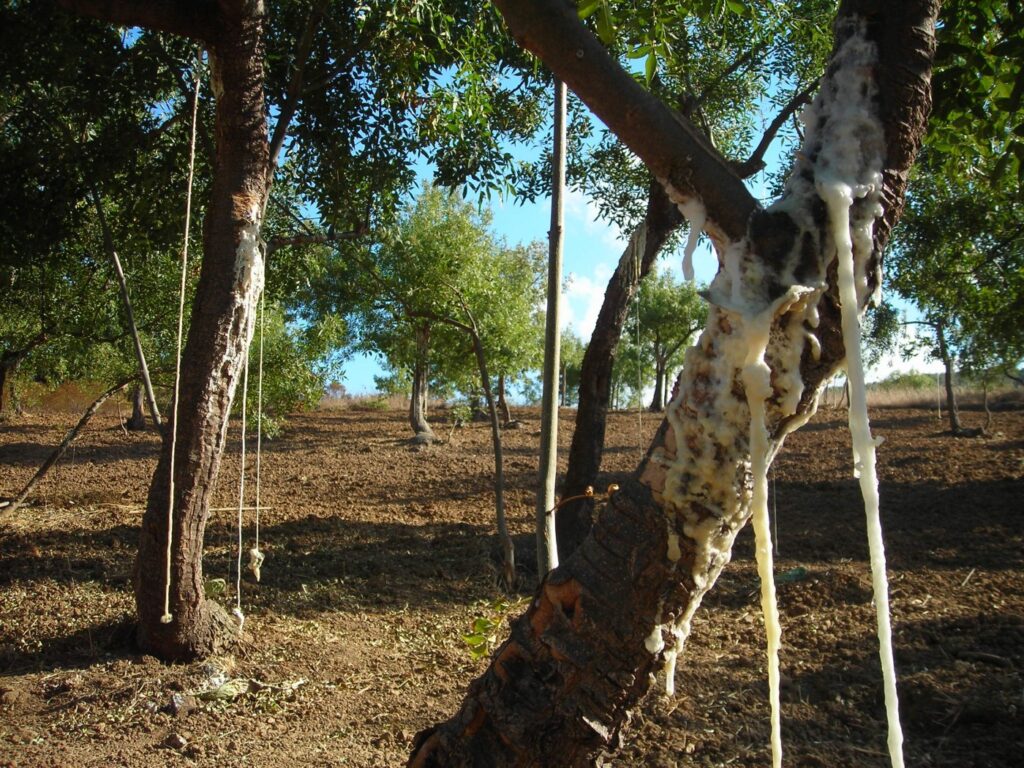
Manna delle Madonie, also known as honeydew, is a traditional Sicilian delicacy made from the sap of the Fraxinus angustifolia tree. Native to the island, this sweet treat has been cherished for centuries, and its unique properties have earned it a spot in the Slow Food movement.
A Brief History
The production of Manna delle Madonie is an ancient practice that dates back to the days when it was used as a remedy for colic in newborn babies. Today, it’s primarily enjoyed for its delightful taste and energizing properties. This fragrant sap is collected from the Fraxinus angustifolia tree, which thrives in the slopes of the Madonie Mountains.
Properties and Benefits
Manna delle Madonie boasts an array of health benefits, including:
• Energizing: It stimulates digestion and helps to reduce fatigue.
• Depurative: It promotes healthy liver function and detoxifies the body.
• Rinfrescante: Its sweetness awakens the senses and revives the spirit.
This natural treasure is also a favorite among pastry chefs, who incorporate it into their creations. In recent years, its benefits have been recognized in the skincare industry as well.
Using Manna delle Madonie in Your Daily Life
You can enjoy this sweet delight:
• Raw: Savor it on its own or paired with other fruits.
• With a splash of water: Dissolve it in small amounts to create a refreshing drink.
• In baking: Add it to your favorite recipes for an extra boost.
The Art of Producing Manna delle Madonie
To produce high-quality Manna delle Madonie, farmers carefully prune the Fraxinus angustifolia trees and cultivate fava beans beneath their shade. As the sap flows, it’s collected using a traditional method that involves guiding its flow through a nylon thread.
A Delicate Balance: Timing is Everything
The production of Manna delle Madonie requires a deep understanding of timing. Mannarioti must observe the subtle signs of the trees’ maturity to determine when to collect the sap. The process can be challenging, as it demands patience and attention to detail.
Uncovering the Secrets of Manna delle Madonie
To uncover the secrets behind this Sicilian treasure, let’s delve deeper into its history, production methods, and cultural significance.
- A testament to nature: The Fraxinus angustifolia tree is a true marvel, providing sustenance for both humans and animals.
- Tradition meets innovation: Manna delle Madonie embodies the perfect blend of ancient practices and modern applications.
- Preserving heritage: By embracing this traditional product, we’re preserving a piece of Sicilian culture and history.
The Role of Mannarioti
Mannarioti are the guardians of Manna delle Madonie’s production process. These skilled farmers must possess a deep understanding of the trees’ behavior, weather patterns, and soil conditions to ensure high-quality sap. Their expertise is crucial in maintaining the delicate balance between nature and human intervention.
The Impact of Climate Change
Climate change poses a significant threat to Manna delle Madonie’s production. Rising temperatures and changing precipitation patterns can disrupt the trees’ growth and sap flow, making it challenging for farmers to produce high-quality sap. As a result, there is a growing need to develop sustainable practices and climate-resilient production methods.
Preserving the Tradition
To preserve the tradition of Manna delle Madonie, we must support local farmers and artisans who continue to practice this ancient craft. By promoting sustainable agriculture and fair trade practices, we can ensure that future generations will have access to this unique Sicilian treasure.
Conclusion
Manna delle Madonie is more than just a sweet treat; it’s a testament to nature’s bounty and human ingenuity. As we continue to explore the world of food and tradition, let’s honor this Sicilian treasure by sharing its story and appreciating its unique qualities.
Frequently Asked Questions (FAQs)
- What is Manna delle Madonie?
- Manna delle Madonie is a traditional Sicilian delicacy made from the sap of the Fraxinus angustifolia tree.
- How is Manna delle Madonie produced?
- The production process involves carefully pruning the trees, cultivating fava beans, and collecting the sap using a traditional method.
- What are the benefits of Manna delle Madonie?
- It boasts energizing, depurative, and refreshing properties, making it a favorite among pastry chefs and those seeking natural remedies.
- Can I use Manna delle Madonie in cooking?
- Yes, you can incorporate it into your recipes for an extra boost of flavor and nutrition.
- Is Manna delle Madonie suitable for all ages?
- While it’s generally considered safe for adults, children should consult with a healthcare professional before consuming it, especially if they have any allergies or sensitivities.
- Can I grow my own Fraxinus angustifolia tree to produce Manna delle Madonie?
- Yes, with proper care and pruning, you can cultivate your own trees and harvest the sap for this traditional delicacy.
- Is Manna delle Madonie a sustainable product?
- The production process is generally environmentally friendly, as it relies on natural methods and minimizes waste. However, factors like tree management and land use should be carefully considered to ensure long-term sustainability.
By embracing this unique Sicilian treasure, we’re not only indulging in its delightful taste but also preserving a piece of our cultural heritage.


