
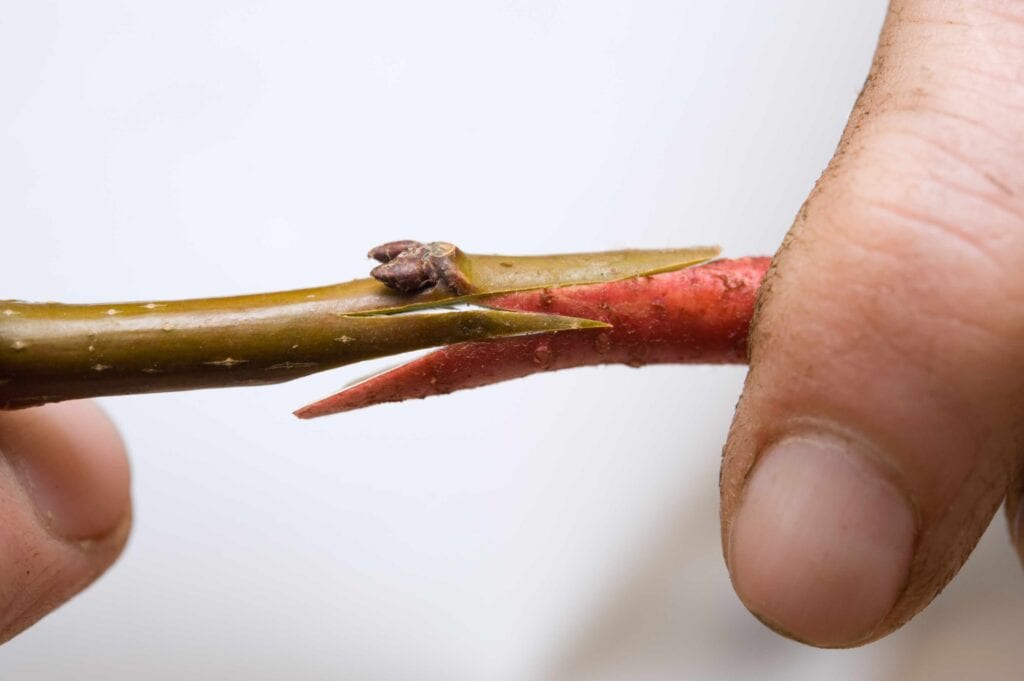
Grafting – the ancient art of joining two plants together – has been used for centuries to create new and improved varieties of fruits. From apple orchards to citrus groves, grafting is an essential technique that allows farmers and gardeners to combine the best characteristics of different species, resulting in stronger, healthier trees with higher yields.
Understanding Grafting: A Simplified Approach
So, how does grafting work? Simply put, it involves taking a piece of stem from one plant (the scion) and joining it to the root system of another plant (the grafting stock). This technique allows for the transfer of desirable traits such as disease resistance, increased fruit production, and improved cold hardiness. By combining the strengths of two plants, grafting enables farmers and gardeners to create new, hybrid varieties that are better suited to their specific climate and soil conditions.
Choosing the Right Grafting Stock
The key to successful grafting lies in selecting the right grafting stock. This is where most people go wrong, as they often choose a scion without considering the root system of the grafting stock. A good grafting stock should have a strong root system, vigorous growth, and the ability to resist diseases. The type of grafting stock used will depend on the specific fruit tree being grafted.
Selecting the Perfect Scion
Once the grafting stock is selected, it’s time to choose the scion. This is where farmers and gardeners can really showcase their creativity, as they can select a scion with desirable characteristics such as fruit quality, disease resistance, or improved cold hardiness. When selecting a scion, consider factors such as leaf size, flower color, and overall growth habit.
Grafting Techniques: A Guide to Success
There are several grafting techniques used in the field of fruit tree hybridization, each with its own unique benefits and drawbacks. Two of the most common techniques used for grafting fruit trees are grafting by stem (also called grafting by eye) and grafting by branch.
Grafting by Stem: A Step-by-Step Guide
To perform a successful grafting operation using the stem technique, follow these steps:
- Select a grafting stock with a robust root system.
- Choose a scion with desirable characteristics such as fruit quality or disease resistance.
- Make an incision at the grafting stock, lifting the cut ends of the bark to expose the cambium layer.
- Insert the scion into the incision, securing it with tape or twine.
- Seal the wound with mastix to promote rooting.
Grafting by Branch: A More Advanced Technique
Grafting by branch is a more advanced technique that involves taking a piece of stem from one plant and joining it to the root system of another plant using a specialized grafting tool.
Pruning Shears for Grafting: Essential Tools for Success
High-quality pruning shears are essential tools for any serious fruit tree hybridizer. When choosing a pair, look for ones with sharp blades, comfortable grips, and adjustable tension. Some popular options include:
- Tink-sky Professional Pruning Shears – Price: 29.99 €
- Tofern Professional Pruning Shears – Price: 23.40 €
These pruning shears are specifically designed for grafting and offer a range of benefits, including:
- Sharp blades for precise cuts
- Adjustable tension to accommodate different branch sizes
- Ergonomic design for comfortable grip and reduced fatigue
Tips and Tricks for Successful Grafting
Grafting is an art that requires patience, skill, and attention to detail. Here are some tips and tricks to help you succeed:
- Make clean cuts with sharp pruning shears.
- Use mastix to seal wounds and promote rooting.
- Monitor grafts regularly for signs of disease or pests.
- Be patient – successful grafting operations can take weeks or even months.
Common Mistakes to Avoid
When it comes to grafting, there are several common mistakes that can lead to failure. Here are some of the most common errors to watch out for:
- Using poor-quality pruning shears.
- Not making clean cuts.
- Failing to seal wounds properly.
- Monitoring grafts too infrequently.
Conclusion: Unlocking the Secrets of Fruit Tree Hybridization
Grafting is an ancient technique that has been used for centuries to create new and improved varieties of fruits. By mastering the art of grafting, farmers and gardeners can unlock the secrets of fruit tree hybridization, creating stronger, healthier trees with higher yields.
Frequently Asked Questions (FAQs)
Here are some common questions and answers related to grafting:
Q: What is grafting?
A: Grafting is a technique that involves joining two plants together using a piece of stem from one plant (the scion) and the root system of another plant (the grafting stock).
Q: Why use grafting techniques?
A: Grafting allows farmers and gardeners to combine the best characteristics of different species, resulting in stronger, healthier trees with higher yields.
Q: What is the difference between grafting by stem and grafting by branch?
A: Grafting by stem involves taking a piece of stem from one plant and joining it to the root system of another plant using a specialized grafting tool. Grafting by branch is a more advanced technique that involves taking a piece of stem and joining it to the root system.
Q: How do I choose the right grafting stock?
A: Choose a grafting stock with a strong root system, vigorous growth, and the ability to resist diseases.
Q: What are some common mistakes to avoid when grafting?
A: Common mistakes include using poor-quality pruning shears, not making clean cuts, failing to seal wounds properly, and monitoring grafts too infrequently.
Q: How long does it take for a grafted tree to produce fruit?
A: The time it takes for a grafted tree to produce fruit depends on the specific variety of tree being grafted. Some trees may produce fruit within 1-2 years, while others may take 3-5 years or more.
Q: Can I graft any type of plant?
A: No, not all plants can be grafted. Only certain species are suitable for grafting, and the specific technique used will depend on the type of plant being grafted.
Q: How do I care for a newly grafted tree?
A: To care for a newly grafted tree, provide adequate water, nutrients, and pruning. Monitor the tree regularly for signs of disease or pests.
Advanced Grafting Techniques
In addition to grafting by stem and branch, there are several other advanced techniques used in fruit tree hybridization, including:
- Tissue Culture: This technique involves growing a piece of plant tissue (such as a leaf or stem) on a culture medium, allowing for the rapid multiplication of genetically identical plants.
- Micropipetting: This technique involves using specialized equipment to extract cells from a donor plant and transfer them to a receiver plant, allowing for the transfer of genetic material.
Conclusion
Mastering grafting is an art that requires patience, skill, and attention to detail. By understanding the basics of grafting, choosing the right grafting stock and scion, and using advanced techniques like tissue culture and micropipetting, farmers and gardeners can unlock the secrets of fruit tree hybridization, creating stronger, healthier trees with higher yields.
Grafting Resources
For those interested in learning more about grafting, there are several resources available:
- The American Horticultural Society: Offers a comprehensive guide to grafting, including tutorials, videos, and expert advice.
- The International Association of Horticultural Producers (AIPH): Provides information on grafting techniques, including stem and branch grafting, as well as tissue culture and micropipetting.
- YouTube Channels: Many experienced gardeners and horticulturists share their knowledge and expertise on grafting through videos, providing step-by-step instructions and tips for success.
Final Thoughts
Grafting is a powerful tool in the world of fruit tree hybridization, allowing farmers and gardeners to combine the best characteristics of different species. By mastering the art of grafting, we can unlock new possibilities for growing stronger, healthier trees with higher yields. Whether you’re a seasoned pro or just starting out, grafting is an essential skill to learn for anyone interested in fruit tree cultivation.


