
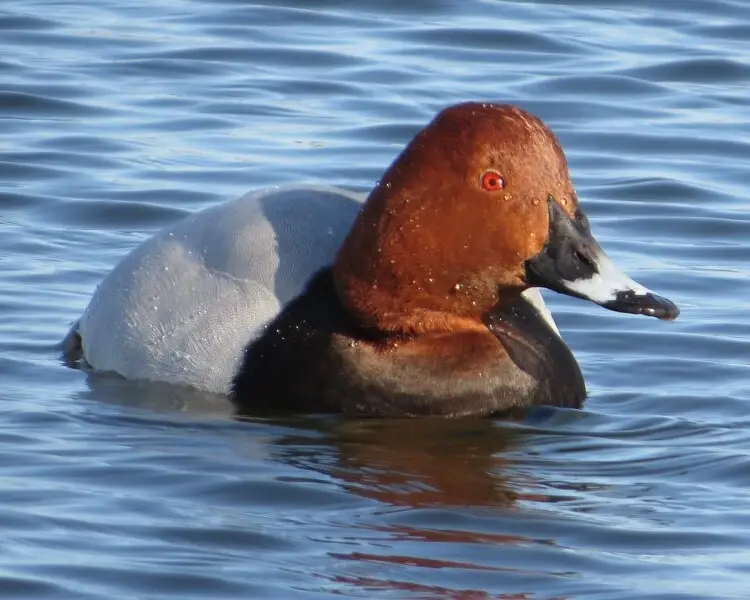
As I sit here thinking about the Merganser, a bird that has likely flown over my head countless times without me realizing it, I am reminded of how much we still have to learn about the natural world. The Merganser, scientifically known as Aythya ferina, is a medium-sized waterbird that can be found in Italy, Europe, and Asia.
Characteristics
So, what makes the Merganser tick? Let’s dive into its characteristics. As an Anseriform bird, belonging to the family Anatidae, it shares many traits with other ducks and geese. However, there are some key differences that set it apart. The Merganser has a broad body shape, which allows it to efficiently swim and dive in the water. Its lower body is flat, while its neck is medium-long, and its legs are short with palmated feet, perfect for wading or grasping onto aquatic plants.
The Merganser’s beak is slender and wide, often with a small hook at the tip, depending on the species. This unique shape helps it to filter food from the water. The bird has a thick layer of feathers that repel water, keeping it warm in cold temperatures. Its plumage is colorful, with males displaying more vibrant hues than females.
The Merganser’s size can vary depending on the species. Some species, like the Common Merganser, weigh around 1-2 pounds (0.5-1 kg), while others, such as the Red-breasted Merganser, can reach up to 3-4 pounds (1.5-2 kg). The wingspan of a Merganser is typically between 18-22 inches (45-55 cm).
One of the most distinctive features of the Merganser is its unique gait. When walking, the bird’s legs are splayed out to the sides, making it appear as though it’s waddling rather than standing upright like other birds. This unusual gait allows the Merganser to maintain its balance while wading in the water.
The Merganser and Aythyini
But who exactly are these Aythyini birds? They are a group of Anseriforms that share the characteristic of being anatrid ducks. However, unlike other anatras, they prefer to feed on aquatic animals rather than plants. This unique diet allows them to thrive in various environments.
Aythyini birds are highly social creatures, often living in large groups near bodies of fresh water. They are excellent flyers and can maintain high speeds while flying over the water. However, when it comes to walking, they struggle, thanks to their awkward gait caused by their centrally positioned legs.
Some species of Aythyini are migratory, while others remain in more temperate climates year-round. Those that do migrate often travel to warmer regions during winter months.
Habitat
So, where can you find these fascinating birds? The Merganser’s habitat is primarily found in large, open spaces with shallow bodies of water, such as lakes and rivers. They tend to avoid dense vegetation, preferring areas with fewer obstacles.
Interestingly, the Merganser has a unique attitude towards other aquatic animals. It tends to coexist peacefully with other birds, fish, and even amphibians. This tolerance is not exclusive to the Merganser, but rather a characteristic shared among many Anatidae species.
The Merganser’s habitat preferences are influenced by factors such as water temperature, depth, and clarity. They tend to prefer areas with slow-moving water and plenty of aquatic vegetation, which provides them with food and shelter.
Diet
As omnivores, Mergansers feed on a wide variety of food sources. They forage in the water for aquatic animals like fish, crustaceans, and insects. They also consume plants, including seeds, roots, and leaves from aquatic vegetation.
The Merganser’s diet is highly adaptable to its environment, allowing it to thrive in various ecosystems. In some areas, they feed on fish and other small aquatic animals, while in others, they focus on plant material.
Some notable features of the Merganser’s diet include:
- Fish: The Merganser feeds on a variety of fish species, including trout, salmon, and eel.
- Crustaceans: Crabs, crayfish, and shrimp are all part of the Merganser’s diet.
- Insects: Aquatic insects like water striders and dragonflies are also consumed by the Merganser.
Conservation Status
The Merganser is listed as Least Concern on the International Union for Conservation of Nature (IUCN) Red List. However, some subspecies of the Merganser face threats to their populations due to habitat destruction, pollution, and climate change.
Conservation efforts are essential to protect the Merganser’s habitats and ensure long-term sustainability. This includes measures such as:
- Habitat preservation: Protecting areas with shallow bodies of water and aquatic vegetation is crucial for maintaining healthy Merganser populations.
- Pollution reduction: Reducing pollution in freshwater ecosystems will help to prevent harm to the Merganser and its habitat.
- Climate change mitigation: Addressing climate change will help to ensure the long-term survival of the Merganser and other aquatic species.
Conclusion
The Merganser is a remarkable example of evolutionary adaptation, showcasing how birds have developed specialized traits to thrive in various environments. As we continue to learn more about this species, we are reminded of the importance of conservation efforts and protecting our planet’s natural resources.
By understanding the characteristics, habitat, and diet of the Merganser, we can better appreciate these fascinating creatures and work towards preserving their habitats for future generations.
Frequently Asked Questions (FAQs)
- What does the Merganser eat?
The Merganser is an omnivore, feeding on a variety of aquatic animals and plants. - Where can I find Mergansers?
Mergansers are found in large, open spaces with shallow bodies of water, primarily in Europe, Asia, and Africa. - Are Mergansers social birds?
Yes, Mergansers are highly social creatures that often live in large groups near bodies of fresh water. - Do Mergansers migrate?
Some species of Mergansers are migratory, while others remain in more temperate climates year-round. - What is unique about the Merganser’s beak?
The Merganser’s beak is slender and wide, with a small hook at the tip, helping it to filter food from the water. - Can I find Mergansers in urban areas?
While Mergansers can be found in urban areas, they tend to prefer more natural environments with shallow bodies of water. - Are Mergansers endangered?
At present, there is no widespread threat to the Merganser’s population, but conservation efforts are essential to protect their habitats and ensure long-term sustainability. - Can I see Mergansers in person?
Yes, it is possible to spot Mergansers in person, particularly during migration seasons or in areas with shallow bodies of water.
Additional Resources
For more information on the Merganser, check out these additional resources:
- The Audubon Society: A comprehensive guide to birds, including the Merganser.
- The Cornell Lab of Ornithology: A wealth of information on bird biology and behavior.
- The IUCN Red List: A global list of threatened species, including the Merganser.
By exploring these resources, you can learn more about this fascinating bird species and contribute to conservation efforts that protect its habitats.


