
As a gardener, there’s no feeling quite like sowing seeds in the spring, only to watch them grow into vibrant, healthy plants. But before you can enjoy the fruits of your labor, it’s essential to harvest those precious seeds correctly. In this article, we’ll explore the best practices for collecting and storing seeds from your garden, ensuring a bountiful harvest for years to come.
The Importance of Timing
Timing is everything when it comes to harvesting seeds. If you wait too long, you risk losing the quality and viability of your seeds. The ideal time for harvesting depends on the type of plant, but generally, it’s best to collect seeds when they’re fully mature and dry.
To determine if a seed is ready, look for signs like:
- A dry, hard rind or shell
- A shriveled or brittle appearance
- A lack of moisture, making them feel light or hollow
It’s also essential to consider the specific harvesting requirements for different plants. For example:
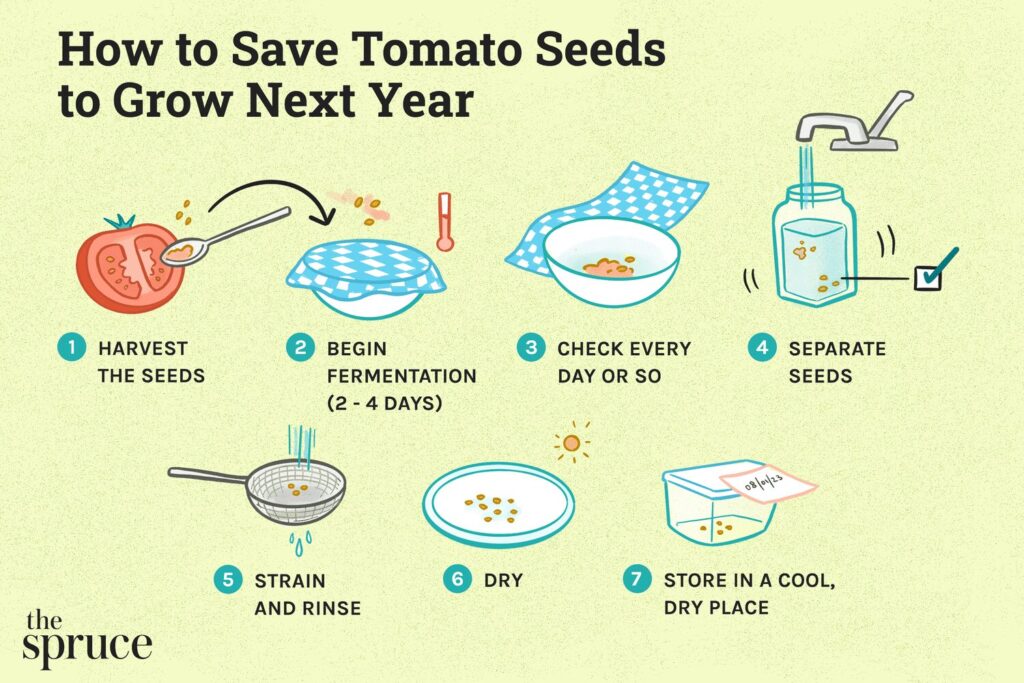
- Tomatoes: Allow the fruit to fully ripen and turn red before cutting it open.
- Squash: Cut the stem of the squash at an angle, leaving a small piece attached to the plant.
- Beans: Twist or cut the pod from the vine when it’s dry and brittle.
Observation and Selection
Before harvesting, observe your plants carefully to identify the best candidates. Look for:
- Plants with high yields and robust growth
- Those that have resisted pests and diseases
- Varieties with desirable traits like flavor, texture, or color
Once you’ve selected the top performers, inspect each seed individually to ensure they meet your standards. Consider factors such as:
- Seed shape and size: Look for symmetrical shapes and uniform sizes.
- Seed coat quality: Check for cracks, breaks, or soft spots on the seed coat.
- Germination potential: Test a few seeds to ensure they germinate easily.
Harvesting Methods
Different plants require unique harvesting techniques. For example:
- Lattuga: Allow the plant to flower, then gently blow on the anthers to release pollen onto the stigma.
- Pomodoro: Cut the fruit in half and soak it in water to extract the seeds.
- Cucumbers: Twist or cut the cucumber at an angle when it’s fully mature and dry.
Drying and Cleaning
After harvesting, it’s crucial to dry your seeds properly to prevent mold and bacterial growth. Here are some tips:
- Use a single layer of seeds on a paper towel or cloth to absorb moisture
- Store them in an airtight container to maintain humidity control
- Avoid overcrowding, which can lead to contamination
Consider using desiccants like silica gel or activated charcoal to absorb excess moisture.
Conserving Seeds: Tips and Tricks
To keep your seeds fresh for years to come, follow these guidelines:
- Use sterilized containers and utensils to prevent contamination
- Label each seed variety with its name, date of harvest, and storage conditions
- Store them in a cool, dry place, away from direct sunlight and pests
Consider storing seeds in small batches or containers to maintain humidity control.
Seed Cleaning
Proper seed cleaning is essential for removing debris and improving germination rates. Here’s how:
- Sort through the seeds by size and shape.
- Remove any debris, such as stems or leaves.
- Rinse the seeds gently with water.
- Use a fine-mesh sieve to remove any remaining debris.
Seed Testing
Before storing your harvested seeds, perform a viability test to determine their germination potential. Here’s how:
- Fill a small container with water and add a few seeds.
- Place the container in a warm, dark place (around 70°F) for 3-5 days.
- Count the number of germinated seeds.
Conservation Strategies
To maximize seed conservation, consider implementing these strategies:
- Use climate-resilient varieties that are adapted to local conditions.
- Store seeds from multiple harvests and combine them in a single collection.
- Maintain records of each seed variety’s performance over time.
FAQs
Here are some frequently asked questions about harvesting and storing seeds:
- Q: How long can I store seeds for?
A: With proper care, seeds can last for several years, up to 10 or more. - Q: Can I freeze seeds to preserve them?
A: Yes, freezing seeds can help prevent bacterial growth and maintain viability. Simply place the seeds in a single layer on a baking sheet and put it in the freezer until they’re frozen solid. - Q: How do I handle moldy seeds?
A: Discard any moldy or infested seeds to prevent contamination of your stored collection. - Q: Can I grow seeds from old seed packets?
A: Yes, but keep in mind that older seed packets may not have the same germination rates as newer ones.
Conclusion
Harvesting and storing seeds is an art that requires attention to detail, patience, and practice. By following these guidelines, you’ll be well on your way to collecting high-quality seeds for years to come. Remember to always handle seeds with care, dry them properly, and store them in a clean environment to maintain their viability.
In the next section, we’ll explore some additional tips and tricks for optimizing seed harvesting and storage.
Additional Resources
If you’re interested in learning more about seed harvesting and storage, check out these resources:
By following the tips outlined in this article and exploring additional resources, you’ll become a pro at collecting and storing seeds for your garden. Happy gardening!


