
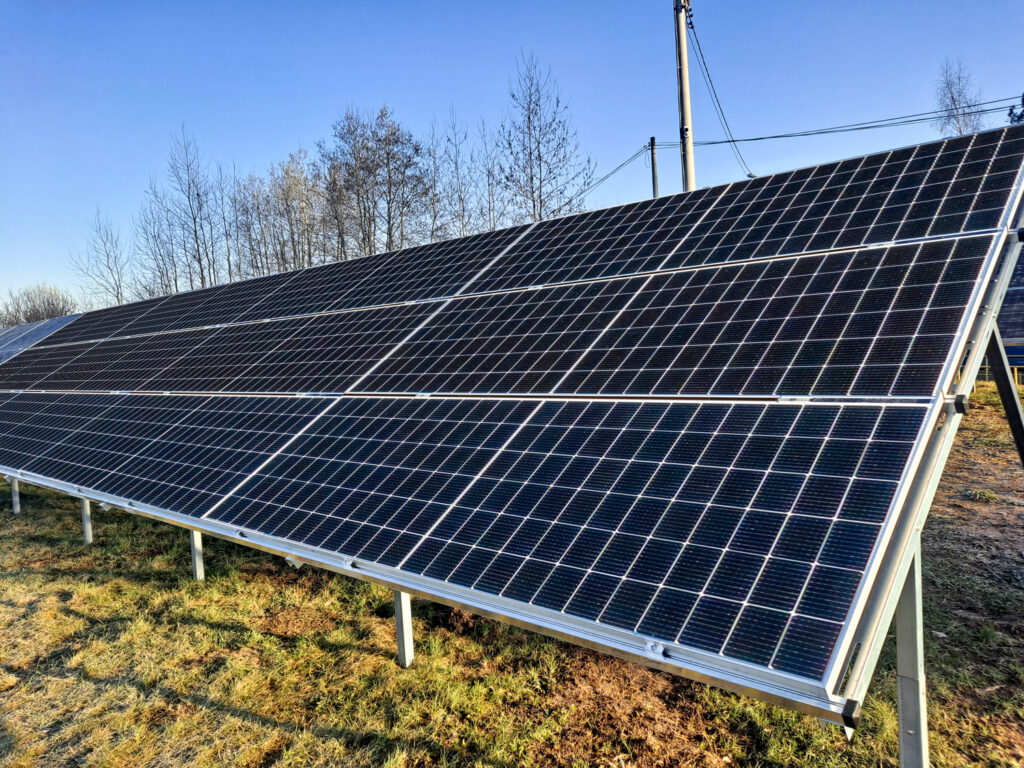
Understanding the Issue of Limestone on Solar Panels
Solar panels and limestone are not a well-known combination, as they can be quite damaging to each other. In this article, we will explore the problem of limestone on solar panels and how to protect your solar panels from damage.
Limestone is a type of sedimentary rock that is composed primarily of calcium carbonate (CaCO3). While it may seem like an innocuous substance, limestone can cause significant problems for solar panel systems. When limestone enters the water circuit of a solar water heater system or comes into contact with potable water used to clean solar panels, it can lead to calcification on the surface of the solar panels.
The Problem of Calcification on Solar Panels
Calcification is a rare issue on solar panels, but it’s related to using potable water for cleaning the panel. If you use potable water to clean your solar panels, you might encounter problems with calcare deposits forming on the surface of your solar panels. These deposits can decrease the efficiency of the entire system over time.
Calcification occurs when calcium ions from limestone in the water react with sunlight and form a hard, white deposit on the surface of the solar panel cells. This process can lead to reduced energy production, decreased lifespan, and increased maintenance costs for the solar panel system.
The Solution: How to Prevent Calcification on Solar Panels
To solve this problem, it’s essential to follow proper cleaning procedures for your solar panels. Here are some tips:
- Use distilled or demineralized water to clean your solar panels. This type of water is free from calcium and other minerals that can contribute to calcification.
- Avoid using potable water to clean your solar panels, as it may contain limestone or other minerals that can cause calcification.
- Use a cleaning solution specifically designed for solar panels, which usually contains additives that help prevent calcification.
- Clean your solar panels regularly, ideally during periods of low sunlight, to minimize the risk of calcification.
The Problem of Calcification in Solar Water Heaters
Once a year and after six months from the installation of your solar water heater, you need to check the flow rate of the hot water system: any reductions may be a sign of calcare deposits or other obstructions in the circuit.
If you notice a decrease in the flow rate, it’s essential to investigate the cause. This could be due to limestone deposits forming inside the system, which can block the flow of hot energy to the fluid and prevent proper operation of your solar water heater.
The Enemy of Your Collectors: Limestone
Limestone is the number one enemy of your collectors. It’s worse than clouds and sunny days! Limestone can cause significant problems for solar water heaters, including:
- Reduced efficiency: Limestone deposits can reduce the flow rate of hot energy to the fluid, leading to decreased efficiency and reduced performance of the system.
- Increased maintenance costs: Removing limestone deposits from the collectors can be a time-consuming and costly process, which can lead to increased maintenance costs over time.
- System failure: In severe cases, limestone deposits can cause complete blockage of tubes, leading to system failure and potentially rendering your solar water heater unusable.
The Bottleneck: How Limestone Affects Solar Water Heaters
Limestone can block the flow of hot energy to the fluid, preventing proper operation of your solar water heater. This problem worsens as calcare deposits build up over time, eventually causing complete blockage of tubes and rendering your solar water heater unusable.
The Solution: How to Prevent Limestone from Damaging Your Solar Water Heaters
To solve this problem, you need to install an additator for water in the circuit. This solution is not cheap (the prices of an additator can vary from 300 to 800 euros), but it’s highly recommended in areas with particularly hard water.
Using an additator helps prevent limestone deposits from forming inside the system by reducing the pH level and preventing calcium carbonate from precipitating out of solution. This keeps your solar water heater system running smoothly and efficiently, without the risk of calcare deposits causing damage to the collectors or tubes.
Conventional vs. Open-Circuit Solar Water Heaters
Open-circuit solar water heaters are convenient in some cases where limestone doesn’t pose a problem, such as systems with non-glass collectors used primarily for summer use: by eliminating the risk of congelation, calcare deposits are significantly limited by high temperatures.
However, in the circuit of an open-circuit solar water heater, limestone plays a starring role even in areas characterized by low water hardness. Over time, limestone tends to deposit itself and compromise the proper operation of the temperature valve.
The small holes and tiny conduits of the temperature valve can become completely blocked. This leads to the impossibility of mixing hot water with cold water from the municipal supply. During sunny days, collectors heat up the water to a temperature close to 100°C, where it should mix with cold water from the municipal supply. Unfortunately, due to blockages, this process does not occur and the solar water heater ends up providing extremely hot water to the network.
The Benefits of Using an Additator for Water
Using an additator for water is highly recommended, especially in areas with particularly hard water. This solution helps prevent limestone deposits from forming inside the system by reducing the pH level and preventing calcium carbonate from precipitating out of solution.
Here are some benefits of using an additator:
- Reduces the risk of calcare deposits: By reducing the pH level and preventing calcium carbonate from precipitating out of solution, an additator helps reduce the risk of calcare deposits forming inside the system.
- Prevents system failure: An additator helps prevent complete blockage of tubes, which can lead to system failure and potentially render your solar water heater unusable.
- Increases efficiency: By preventing calcare deposits from reducing the flow rate of hot energy to the fluid, an additator helps increase the overall efficiency of the system.
Conclusion
In conclusion, solar panels and limestone are a difficult combination. To protect your solar panels from damage, it’s essential to follow proper cleaning procedures and install an additator for water in the circuit of your solar water heater system.
By understanding the problem of calcification on solar panels and taking steps to prevent it, you can ensure that your solar panel system operates efficiently and effectively over time. Additionally, using an additator for water in the circuit of your solar water heater system can help prevent limestone deposits from forming inside the system, reducing the risk of system failure and increasing overall efficiency.
Frequently Asked Questions
Here are some frequently asked questions related to this topic:
- What is calcification on solar panels?
Calcification refers to a rare issue where calcium deposits form on the surface of solar panels, leading to decreased efficiency. - How can I prevent calcification on my solar panel system?
To prevent calcification, follow proper cleaning procedures for your solar panels and install an additator for water in the circuit of your solar water heater system. - What is the problem with limestone in solar water heaters?
Limestone can block the flow of hot energy to the fluid, preventing proper operation of your solar water heater. - How can I prevent limestone from damaging my solar water heater?
To solve this problem, you need to install an additator for water in the circuit and perform regular maintenance on your system. - What is the difference between conventional and open-circuit solar water heaters?
Open-circuit solar water heaters are convenient in some cases but have limitations when it comes to dealing with limestone issues. - Can limestone be removed from a blocked solar water heater system?
Unfortunately, once tubes become completely blocked by calcare deposits, they need to be replaced. - How often should I check the flow rate of my solar water heater system?
You need to check the flow rate every year and after six months following installation. - What are the benefits of using an additator for water in a solar water heater system?
Using an additator for water is highly recommended, especially in areas with particularly hard water, as it helps prevent limestone from damaging your system.
By understanding the problem of limestone on solar panels and taking steps to prevent it, you can ensure that your solar panel system operates efficiently and effectively over time.


