
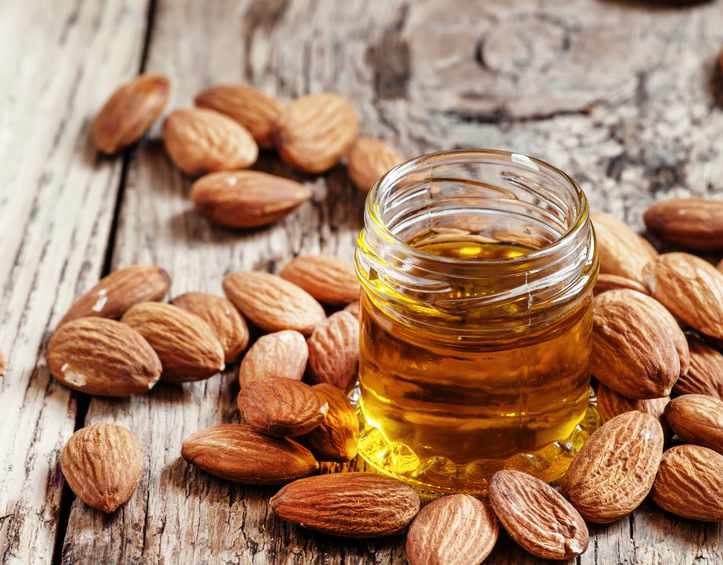
Introduction
Almond oil is a natural and versatile oil extracted from the nuts of the almond tree. It has been used for centuries in various cultures for its medicinal, cosmetic, and culinary purposes. In this article, we will delve into the properties, uses, and benefits of almond oil, exploring its rich history, nutritional content, and applications.
History of Almond Oil
Almond trees have been cultivated for over 2,000 years, with Spain, Iran, Italy, and the United States being among the top producers. The trees produce two main varieties: sweet almonds (Prunus dulcis var. Dulcis) and bitter almonds (Prunus dulcis var. Amara). Bitter almonds are rich in oil and contain a toxic compound called amygdalin, which must be removed before use.
Nutritional Content
Almond oil is an excellent source of healthy fats, containing 44% oil, with 63% being monounsaturated fatty acids like oleic acid (omega-9) and linoleic acid (omega-6). Only 9% of the oil is saturated fat. Almond oil also contains vitamin E and a small amount of vitamin K.
Production
Almond oil can be produced from both sweet and bitter almonds, although bitter almonds are preferred due to their higher oil content. The oil is almost insoluble in alcohol but has good solubility in chloroform or ethers, making it suitable for cosmetics.
Properties and Uses
For its properties, please refer to the article “Almond Oil: Properties”.
In ancient times, almond oil was used medicinally, particularly from bitter almonds. However, due to its toxicity, only sweet almonds are now used. Today, almond oil is widely used in cosmetics, especially those made from sweet almonds.
Cosmetic Uses
Almond oil is a popular ingredient in skincare products due to its moisturizing, nourishing, and hydrating properties. It softens and soothes the skin, making it an excellent choice for massage therapists and individuals with sensitive skin. The oil is also used to treat acne and reduce inflammation.
Massaging with Almond Oil
Almond oil’s gentle texture makes it perfect for massaging, especially when used in combination with other oils or essential oils. It can be applied directly to the skin after a bath or shower, allowing the warm temperature of the body to help penetrate deeper into the skin.
Chicco’s Olio Biologico di Mandorle Dolci
Chicco offers an organic almond oil product designed for newborns and babies. The oil is massaged onto the baby’s skin to provide natural moisturization. This product is a great example of how almond oil can be used in a safe and effective way for young children.
Almond Oil Essential Oils
For a fragrant scent, almond essential oil can be used in aromatherapy, perfumes, candles, or shower gels.
Pure Almond Oil 100%
A high-quality pure almond oil product, suitable for aromatherapy, massage oils, and making homemade soaps.
Other Vegetable Oils
- Neem Oil: Known for its antiseptic properties.
- Macadamia Oil: Rich in antioxidants.
- Colza Oil: Used for skin conditions.
- Argan Oil: Known for its moisturizing properties.
- Canola Oil: A good choice for cooking and health benefits.
- Sesame Oil: Used in Asian cuisine.
- Linseed Oil: Rich in omega-3 fatty acids.
- Castor Oil: Used for skin conditions and digestive issues.
Benefits of Using Almond Oil
Almond oil has numerous health benefits, including:
- Anti-inflammatory properties: Almond oil contains antioxidants that help reduce inflammation and promote healing.
- Antiseptic properties: Almond oil’s antiseptic properties make it an effective treatment for minor cuts, scrapes, and skin irritations.
- Moisturizing properties: Almond oil is rich in healthy fats that provide long-lasting hydration to the skin.
- Skin regeneration: Almond oil contains vitamin E, which helps stimulate collagen production and promote cell turnover.
- Hair care: Almond oil can be used as a pre-shampoo treatment or after shampooing to nourish and moisturize the hair.
Precautions
While almond oil is generally considered safe for use on most skin types, there are some precautions to consider:
- Allergic reactions: Some individuals may be allergic to almonds, so it’s best to perform a patch test before using almond oil.
- Pregnancy and breastfeeding: Almond oil should not be used during pregnancy or breastfeeding due to its potential allergenic properties.
- Skin conditions: Individuals with sensitive skin or certain skin conditions (e.g., eczema) may need to use caution when applying almond oil.
Conclusion
Almond oil is a versatile oil with a rich history, nutritional content, and uses. From its cosmetic applications to its medicinal properties, almond oil is an excellent addition to any skincare routine or natural remedy collection. Always choose high-quality, pure almond oil products when selecting almond-based cosmetics or treatments.
Frequently Asked Questions (FAQs)
- What are the health benefits of using almond oil?
Almond oil is rich in healthy fats and vitamins that provide numerous health benefits, including improving skin health, reducing inflammation, and supporting digestive health. - Can I use almond oil on my face?
Yes, almond oil can be used as a moisturizer or makeup remover due to its gentle texture and nourishing properties. - Is almond oil suitable for babies?
Almond oil is safe for newborns and babies when used in moderation and diluted with other oils, according to Chicco’s product guidelines. - Can I use almond oil as a hair treatment?
Yes, almond oil can be used as a pre-shampoo treatment or after shampooing to nourish and moisturize the hair. - Is almond oil suitable for acne-prone skin?
Almond oil can help reduce inflammation and improve skin health due to its antiseptic properties; however, it may exacerbate acne in some individuals. - Can I use almond oil as a massage oil?
Yes, almond oil is an excellent choice for massage therapists and individuals with sensitive skin, providing gentle moisturization and nourishment. - How do I store almond oil to maintain its quality?
Store pure almond oil in a cool, dark place away from direct sunlight and heat sources to preserve its nutritional content and shelf life. - Can I use almond oil in cooking?
No, pure almond oil is not suitable for high-heat cooking due to its low smoke point; however, it can be used as a flavorful finishing oil for dishes.
By understanding the properties, uses, and benefits of almond oil, you can unlock a wealth of natural skincare options and recipes tailored to your individual needs.


