
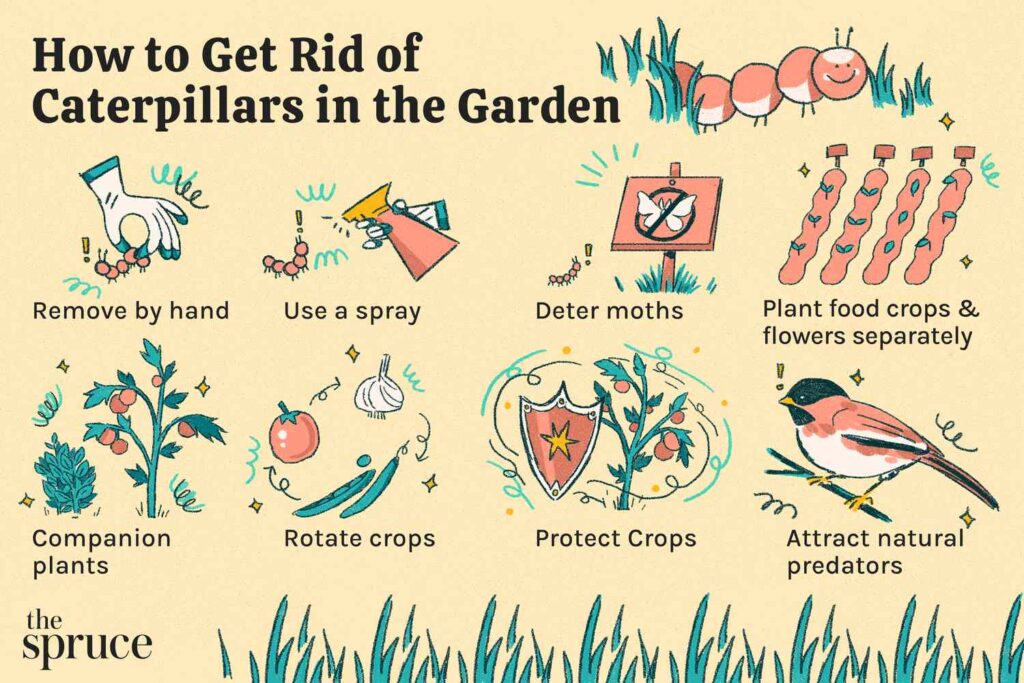
As the trees burst into bloom and our gardens are overrun with simple and beautiful plants that give us delicious, organic produce, it’s not uncommon for defoliating larvae to ruin the party. But instead of feeling helpless in the face of their voracious and devastating behavior, we can stand up and react by learning about their nature and the methods to eliminate them. In this article, we’ll guide you on how to prepare for these pests and provide some advice on dealing with them.
Defoliating Larvae: Origins and Characteristics
Before we dive into the world of larvae, let’s take a moment to understand that they’re not just harmless creatures because they’re larvae. No, no! Despite still being in their developmental stages, they’re not innocent; they’re actually quite hungry and ruthless.
There are several types of damaging insects that fall under the category of larvae, which include various species of Lepidoptera with larvae reaching up to 6 centimeters in length. One common trait among them is a thick, irritating fur covering their surface. When you touch it, you can notice their tendency to live in large groups or processions.
Let’s focus on the Dorifora larva, one of the most damaging species, especially when it comes to patatos. These larvae are reddish-brown with black spots on their sides, and then they turn into yellow-and-black striped ones as they mature quickly and leave only the skeleton of the leaf behind. It’s a sight that’s both fascinating and intimidating.
Defoliating Larvae: What They Do
The name “defoliating larvae” hints at the type of damage these creatures cause to our plants, especially when it comes to their leaves. These larvae tend to attack the upper parts of the tree or shrub, and they have a special talent for finding the perfect spot to live in cozy little nests made from gray threads. From a distance, these nests can resemble cotton balls.
The larvae’s favorite food is the leaves that sprout at the top of the plant. This is where you should start searching for them before they spread their damage throughout the entire tree or shrub. If left unchecked, however, the damage can be so severe that it can even kill the plant itself. In the best-case scenario, the plant will only suffer from minor aesthetic damage and a delay in growth.
Plants Affected by Defoliating Larvae
The list of plants affected by defoliating larvae is quite extensive, ranging from broadleaf trees to conifers and ornamental shrubs. Some of the most commonly impacted include:
- Agrifoglio: A robust tree that can reach up to 10 meters in height, characterized by its dark-brown bark and green, densely packed leaves.
- Asparagina: An herbaceous perennial with a robust rhizome, capable of growing up to several feet tall. It produces small, delicate flowers and is native to Europe, Asia, and Africa.
- Biancospino: A thorny shrub with a scientific name of Crataegus Monogyno, easily found in gardens and parks throughout the country. It’s resistant to cold temperatures and frost but can be vulnerable to defoliating larvae.
- Ligustro: An evergreen tree originating from Japan, often used for hedges due to its adaptability to different climates. It has a scientific name of Ligustrum vulgare and is easily recognizable by its glossy leaves.
How to Eliminate Defoliating Larvae
Now that we’ve discussed the types of plants affected and the larvae’s behavior, let’s move on to the methods for eliminating these pests. To do this effectively, you’ll need to use specific pesticides that target them by contact or ingestion. Timing is crucial here, as you want to intervene quickly before they spread their damage.
Among the various products available today, there’s a great interest in using insecticides ready to use that can combat a wide range of pests, including defoliating larvae. These insecticides are effective both on plants and soil and protect various types of crops from aphids, leafminers, aphid-like insects, whiteflies, and other pests.
Organic Methods for Elimination
In addition to using pesticides, there are several organic methods available to eliminate defoliating larvae:
- Beneficial Insects: Encourage natural predators or parasites that feed on the larvae. For example, introducing parasitic wasps or ladybugs can help control infestations.
- Physical Barriers: Use fine-mesh screens or row covers to prevent adult moths from laying eggs near your plants.
- Good Garden Hygiene: Regularly inspect plants for signs of infestation and remove any damaged or dying leaves. Dispose of infected plant material in sealed bags to prevent the spread of larvae.
Frequently Asked Questions
Here are some frequently asked questions related to the topic:
- What is the best way to prevent defoliating larvae?
Prevention is key! Regularly inspect your plants for signs of infestation and keep them clean to avoid attracting these pesky creatures. - How long does it take to eliminate defoliating larvae?
The time it takes to eliminate defoliating larvae depends on the severity of the infestation, the effectiveness of the pesticide used, and the type of plant affected. - Can defoliating larvae harm humans?
Defoliating larvae are generally not a threat to human health, but their bites can cause skin irritation in some people. - How do I know if my plants have been infested with defoliating larvae?
Signs of infestation include yellowing or drooping leaves, holes in the leaves, and an increase in pest activity around the plant. - Can I use organic methods to control defoliating larvae?
Yes, there are several natural methods available, including introducing beneficial insects that prey on these pests, using physical barriers to prevent infestation, and practicing good garden hygiene. - How often should I spray insecticides on my plants?
The frequency of spraying depends on the type of plant, the severity of the infestation, and the product being used.
Common Defoliating Larvae Species
Here are some common defoliating larvae species that you should be aware of:
- Dorifora larva: A reddish-brown larva with black spots on its sides, which can cause significant damage to patatos.
- Lepidoptera sp.: A general term for a group of moths that can cause defoliation, including the Dorifora larva.
- Aphidoletes aphidimyza: A parasitic wasp that feeds on aphids and other soft-bodied insects.
How to Identify Defoliating Larvae
Identifying defoliating larvae can be challenging, but there are some common signs and characteristics to look out for:
- Larval size and shape: Defoliating larvae are typically between 1-6 centimeters in length and have a distinctive shape.
- Coloration: The color of the larva can vary depending on the species, but it’s often reddish-brown or yellow-and-black striped.
- Behavior: Defoliating larvae tend to live in large groups or processions and are attracted to light.
Prevention Tips
Here are some prevention tips to help you avoid defoliating larvae infestations:
- Regularly inspect plants: Regularly check your plants for signs of infestation, especially during peak larval activity.
- Keep plants clean: Keep plants free from debris and dead leaves, which can attract pests.
- Use physical barriers: Use fine-mesh screens or row covers to prevent adult moths from laying eggs near your plants.
By understanding the nature of defoliating larvae and implementing effective methods for elimination, you can protect your plants and enjoy a bountiful harvest.


