
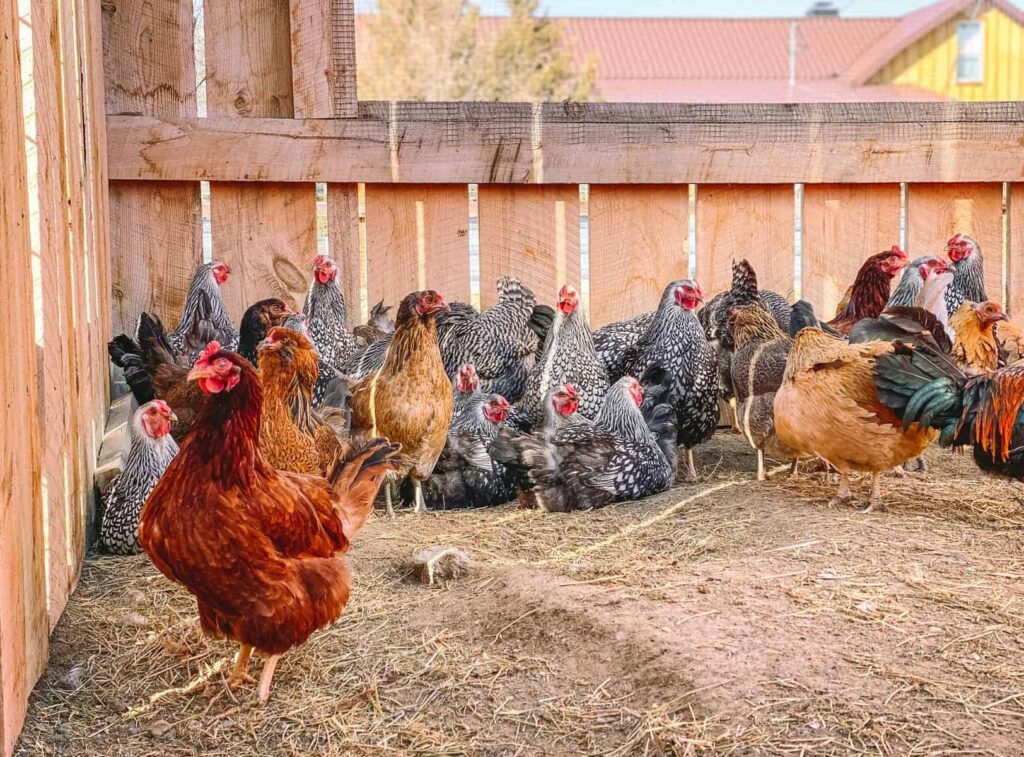
As a backyard chicken enthusiast, you’re likely no stranger to the joys of raising chickens. But have you ever considered taking your flock to the next level by incorporating free-range practices into your poultry-keeping routine? In this article, we’ll explore the benefits of free-range chicken keeping and provide a step-by-step guide on how to get started.
What is Free-Range Chicken Keeping?
Free-range chicken keeping involves providing chickens with access to the outdoors, where they can roam freely and engage in natural behaviors such as foraging and scratching. This approach prioritizes animal welfare and allows chickens to live in a more natural environment.
Benefits of Free-Range Chicken Keeping
- Improved Animal Welfare: By giving your chickens access to the outdoors, you’re providing them with a more natural environment that promotes physical activity, mental stimulation, and overall well-being.
- Increased Egg Production: Free-range chickens are more likely to produce eggs that are rich in nutrients and have better flavor profiles compared to those raised indoors.
- Reduced Stress: Chickens that have access to the outdoors tend to be less stressed, which means they’ll lay fewer eggs due to stress.
- Improved Nutrition: Free-range chickens can forage for insects, worms, and other small invertebrates, which provides them with essential nutrients that may not be available in a commercial feed.
- Increased Variety of Diet: By allowing your chickens to roam freely, you’re providing them with access to a diverse range of plants, fruits, and vegetables, which can add variety to their diet.
Setting Up a Free-Range Chicken Yard
Before you can start raising your chickens in the open, you need to set up a suitable enclosure for them to roam freely. Here are some key considerations:
- Space Requirements: A good rule of thumb is to provide at least 4 square meters (43 square feet) of outdoor space per chicken.
- Fencing: The fencing should be sturdy and tall enough to prevent your chickens from flying over or escaping.
- Shelter: Make sure your chickens have access to a sheltered area where they can escape the elements, such as rain, wind, and sun.
- Predator Protection: Consider adding protection from predators such as foxes, coyotes, and hawks by using hardware cloth, chicken wire, or electric fencing.
- Access to Water: Ensure that your chickens have access to clean water at all times.
Choosing the Right Breed
When it comes to choosing a breed for free-range chicken keeping, there are several factors to consider:
- Egg Production: If you’re looking for high-egg-producing breeds, consider varieties like Leghorns or Rhode Island Reds.
- Temperament: Some breeds are more docile and friendly than others, making them better suited for free-range environments.
- Hardiness: Choose breeds that are hardy and resilient to ensure they can thrive in a variety of weather conditions.
Best Breeds for Free-Range Chicken Keeping
- Leghorn: Known for their high egg production, Leghorns are a popular choice for backyard chicken keepers.
- Rhode Island Red: Friendly, hardy, and prolific egg layers, Rhode Island Reds are an excellent breed for free-range environments.
- Australorp: A quiet and friendly breed, Australorps are known for their high egg production and ability to thrive in a variety of climates.
- Barred Plymouth Rock: A hardy and versatile breed, Barred Plymouth Rocks are well-suited for free-range environments.
Tips for Free-Range Chicken Keeping
- Start with Young Chickens: It’s best to start with young chickens (around 4-5 months old) to minimize the risk of disease transmission.
- Acclimate Your Chickens Gradually: Introduce your chickens to the outdoors gradually, starting with short periods of supervised free-range time.
- Supervise Your Chickens: Always supervise your chickens during their outdoor time to ensure they’re not accessing potential hazards such as predators or toxic substances.
- Provide Adequate Nutrition: Ensure that your chickens have access to a balanced and nutritious diet, taking into account the quality of food and availability of fresh water.
- Keep Your Chicken Yard Clean: Regularly clean out your chicken yard to maintain cleanliness and prevent disease transmission.
Common Challenges in Free-Range Chicken Keeping
- Predator Attacks: Be aware of potential predators such as foxes, coyotes, and hawks and take measures to protect your flock.
- Disease Transmission: Minimize the risk of disease transmission by introducing new chickens gradually and ensuring that all chickens are healthy before releasing them into the outdoors.
- Weather Extremes: Be prepared for extreme weather conditions such as heatwaves, cold snaps, and heavy rainfall.
- Parasite Infestations: Regularly check your chickens for signs of parasite infestation and take action promptly if necessary.
Conclusion
Raising chickens in the open can be a fun and rewarding experience for backyard chicken keepers. By following these tips and guidelines, you can create a thriving free-range chicken yard that promotes animal welfare, increases egg production, and reduces stress. Remember to always prioritize your chickens’ health and well-being by providing them with adequate nutrition, shelter, and protection from predators.
Frequently Asked Questions (FAQs)
- Q: Can I raise chickens in my backyard without a fence?
A: No, it’s not recommended to raise chickens without a fence. Chickens can fly over or escape if the enclosure is not secure. - Q: How often should I clean out my chicken yard?
A: It’s essential to clean out your chicken yard regularly (at least once a week) to maintain cleanliness and prevent disease transmission. - Q: Can I raise chickens in an urban area?
A: Yes, you can raise chickens in an urban area, but make sure to check local regulations and zoning laws before doing so. - Q: How often should I collect eggs from my chicken yard?
A: Collect eggs regularly (at least once a day) to ensure cleanliness and prevent breakage. - Q: Can I raise chickens in a cold climate?
A: Yes, you can raise chickens in a cold climate, but make sure to provide adequate shelter and protection from the elements.
References
- “The Backyard Chicken Book” by Tammy L. Johnson: A comprehensive guide to raising backyard chickens, covering topics such as coop building, feeding, and health.
- “Free-Range Poultry Keeping” by Gail Damerow: A detailed guide to free-range poultry keeping, covering topics such as breed selection, nutrition, and predator management.
- “Backyard Chickens” by Karen B. McCann: A beginner’s guide to raising backyard chickens, covering topics such as coop building, feeding, and health.
By following these guidelines and tips, you can create a thriving free-range chicken yard that promotes animal welfare, increases egg production, and reduces stress. Happy chicken keeping!


