
Unlocking the Secrets of Cleaning Your Locks: A Comprehensive Guide
As we go about our daily lives, it’s easy to overlook the small things that can make a big difference in our security and convenience. One often-overlooked aspect is the condition of our locks. A rusty or dirty lock can lead to jammed mechanisms, damaged components, and even safety hazards. In this article, we’ll delve into the world of cleaning your locks, exploring the best methods, products, and natural remedies to keep your locks in top condition.
Understanding the Importance of Cleaning Your Locks
Cleaning your locks is an essential part of maintaining your security and convenience. A dirty lock can lead to a range of problems, including:
- Jammed mechanisms that require professional intervention
- Damaged components that need replacement
- Safety hazards that put you and others at risk
By taking the time to clean your locks regularly, you can prevent these issues and ensure your security and convenience.
The Consequences of Neglecting Lock Maintenance
Neglecting lock maintenance can have serious consequences, including:
- Increased wear and tear on the lock’s components
- Reduced effectiveness of the lock
- Potential for break-ins or security breaches
Regular cleaning and maintenance can help prevent these issues and keep your locks in good condition.
Understanding Lubricants: The Key to Unlocking
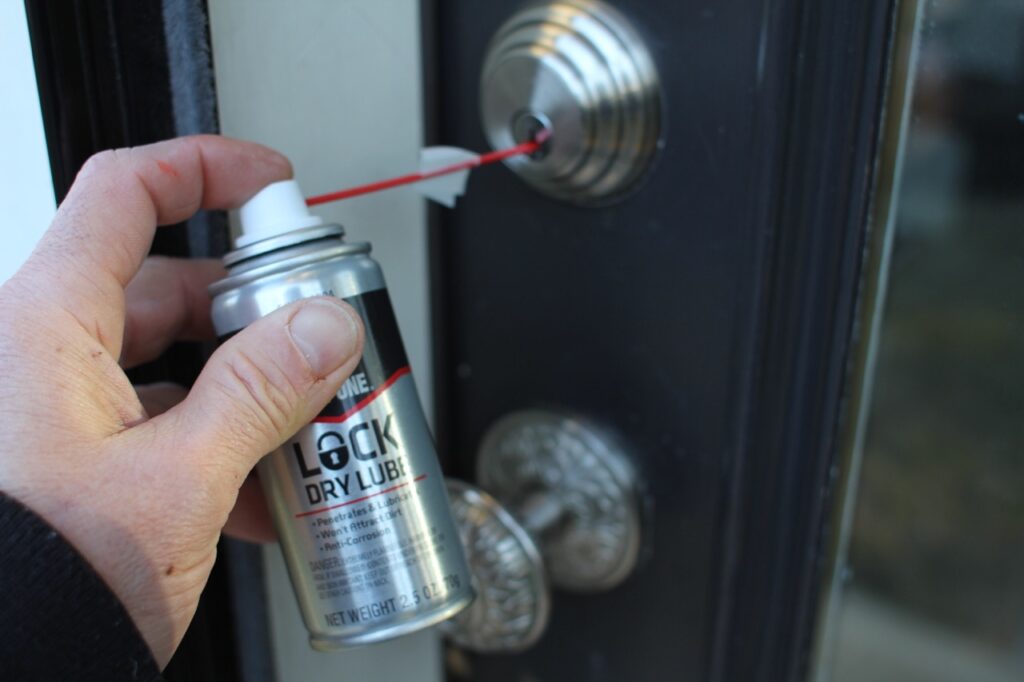
When it comes to cleaning a stuck lock, lubricant is often the first solution that comes to mind. But what makes a good lubricant, and how do we choose the right one for our needs?
- Dry Lubricants: These are based on PTFE (Polytetrafluoroethylene), a non-stick material used in non-stick pans.
- PTFE-based Lubricants: These are specifically designed to reduce friction and protect locks from dust and rust particles.
When choosing a lubricant, make sure it contains PTFE for optimal results.
Lubricants for Cleaning and Unlocking
To unblock a jammed lock, use a lubricant based on teflon. You can find specialized lubricants at hardware stores or online. Some popular brands include Svitol and WD-40. Always check the label to ensure it contains PTFE.
- Svitol: This lubricant is specifically designed for locks and contains PTFE.
- WD-40: While WD-40 can be used as a general-purpose lubricant, it’s not recommended for locks due to its tendency to absorb dust and rust particles.
The Benefits of Compressed Air
Compressed air is another effective way to clean out the gap that allows you to insert your key. Simply spray it into the lock and wipe away any debris with a cloth.
- Advantages: Compressed air is quick, easy, and non-toxic.
- Disadvantages: Compressed air may not be as effective for locks with complex mechanisms or those that require precise lubrication.
Cleaning Your Locks with Natural Products
While lubricants can be effective, there are also natural products that can help clean your locks. Here are some options:
- Citric Acid: Mix citric acid powder with hot water to create a solution that can dissolve dirt and grime.
- Baking Soda: Make a dense paste by mixing baking soda with water, apply it to the lock, and let it sit for 10-15 minutes. Then, use a damp cloth to wipe away the paste.
- White Vinegar: Soak a cloth in white vinegar and gently clean the lock. Be sure to rinse thoroughly and dry completely.
- Coconut Oil: Apply a small amount of coconut oil to the lock and let it sit for about 10 minutes. Use a dry cloth to wipe away excess oil and clean the lock.
Important note: When using these natural products, avoid using abrasive brushes or toothbrushes that could scratch the lock’s surface, especially if it’s a chrome-plated lock.
Precautions and Safety Considerations
When cleaning your locks, there are several precautions and safety considerations to keep in mind:
- Avoid Using Chemical-Based Products: Chemical-based products can damage the lock’s components or harm you.
- Use Protective Gear: Wear gloves and safety glasses when cleaning your locks to protect yourself from chemical splashes or debris.
- Clean the Lock in a Well-Ventilated Area: Cleaning the lock in a well-ventilated area can help prevent inhaling dust or other particles.
Conclusion
Cleaning your locks is an essential part of maintaining your security and convenience. By understanding lubricants, choosing the right one for our needs, using compressed air, and exploring natural products, we can keep our locks in top condition. Whether using specialized lubricants or natural remedies, there are many effective ways to clean your locks and prevent jammed mechanisms, damaged components, and safety hazards.
FAQs
- What is PTFE-based lubricant?
- PTFE (Polytetrafluoroethylene) is a non-stick material used in non-stick pans.
- How do I choose the right lubricant for my lock?
- Choose a lubricant that contains PTFE for optimal results.
- What are some natural products that can help clean my locks?
- Citric acid, baking soda, white vinegar, and coconut oil can be used to clean your locks.
- How do I use compressed air to clean out the gap in my lock?
- Simply spray it into the lock and wipe away any debris with a cloth.
- Can I use abrasive brushes or toothbrushes when cleaning my lock with natural products?
- No, avoid using abrasive brushes or toothbrushes that could scratch the lock’s surface.
- What is the best way to apply coconut oil to clean my lock?
- Apply a small amount of coconut oil to the lock and let it sit for about 10 minutes. Use a dry cloth to wipe away excess oil and clean the lock.
- How often should I clean my locks?
- Clean your locks regularly to prevent jammed mechanisms, damaged components, and safety hazards.
- Can I use WD-40 as a lubricant?
- No, WD-40 is not an effective lubricant for cleaning locks; it absorbs dust and rust particles and becomes ineffective when dry.


