
Introduction
As the world grapples with the challenges of climate change, environmental degradation, and sustainable development, the issue of desertification has gained significant attention. While it may seem like a distant problem, desertification is a pressing concern that affects not only the environment but also human health, economy, and food security. In this article, we will delve into the world of desertification, exploring its causes, consequences, and implications for Italy.
What is Desertification?
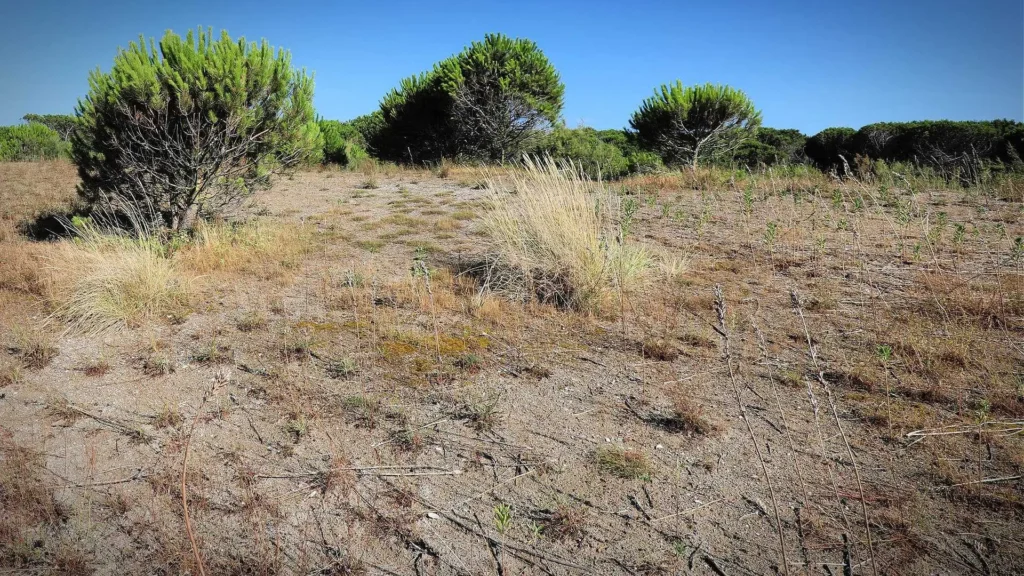
Desertification is a process of soil degradation caused by human activities, resulting in reduced fertility, increased erosion, and decreased vegetation cover. It can lead to the loss of biodiversity, decreased water availability, and increased greenhouse gas emissions. In essence, desertification is a ticking time bomb that threatens the very foundation of our ecosystems.
Desertification in Italy
While the world may seem far removed from this issue, Italy is not immune to its effects. The country has 29% of its territory at risk of desertification, with Sicily being the most affected region, followed by Molise and Basilicata. This poses significant threats to the environment, human health, and food security.
Causes of Desertification
So, what are the primary causes of desertification? Climate change is undoubtedly a major culprit, as it alters precipitation patterns, increases temperatures, and leads to droughts. Agricultural practices, such as over-tillage and monoculture farming, also contribute to soil degradation and erosion.
- Climate Change: The increasing frequency and severity of extreme weather events, such as droughts and heatwaves, can lead to soil salinization and reduced water availability.
- Over-Tillage: Excessive plowing and tilling of the soil can damage the soil structure, leading to erosion and nutrient loss.
- Monoculture Farming: The widespread adoption of intensive farming practices can result in reduced biodiversity, increased water consumption, and soil degradation.
Italian Attitudes towards Desertification
Interestingly, Italians seem to be unaware of the gravity of this issue. Many are not informed about desertification, nor do they perceive it as a pressing concern that requires immediate attention. In fact, only 10% of Italians express concern about desertification today, with a further 19% anticipating problems in the future.
Reasons for Lack of Awareness
Several factors contribute to this lack of awareness:
- Limited Education: Many Italians may not receive adequate education on desertification and its consequences.
- Perceived Insignificance: Desertification may be perceived as a distant problem, affecting other regions or countries.
- Lack of Local Impact: If desertification is not directly impacting the region where an individual lives, they may not feel personally concerned about it.
The Role of Policy and Government
To combat desertification effectively, governments play a crucial role in promoting sustainable land use practices and investing in reforestation and afforestation programs. Policies can also help to raise awareness and educate the public about the issue.
- Sustainable Agriculture Policies: Governments can implement policies encouraging sustainable agricultural practices, such as agroforestry and conservation agriculture.
- Reforestation and Afforestation Programs: Governments can invest in planting trees and restoring degraded land to promote biodiversity and ecosystem services.
- Education and Awareness Campaigns: Governments can launch public awareness campaigns to educate citizens about desertification and its consequences.
Individual Actions
While governments and policies play a crucial role, individuals also have a critical part to play in addressing desertification. By making conscious choices in their daily lives, individuals can contribute to reducing the impact of desertification.
- Reduce Water Consumption: Individuals can reduce water consumption by using efficient appliances, fixing leaks, and conserving water for non-potable purposes.
- Adopt Sustainable Agriculture Practices: Individuals can adopt sustainable agriculture practices, such as buying organic produce, supporting local farmers, and reducing food waste.
- Support Conservation Efforts: Individuals can support conservation efforts by donating to organizations working on desertification prevention and restoration.
Conclusion
Desertification is a pressing global issue that requires immediate attention. Italy is not alone in its struggle against this threat, but it does face significant challenges due to its geography and climate. To combat desertification effectively, we need more awareness, education, and action – both at the individual level and through government policies.
Recommendations
To address desertification in Italy, we recommend:
- Increased Education: Governments should prioritize environmental education and provide resources for schools to teach about desertification.
- Sustainable Agriculture Policies: Governments should implement policies promoting sustainable agricultural practices and support farmers who adopt these methods.
- Public Awareness Campaigns: Governments should launch public awareness campaigns to educate citizens about the issue of desertification.
The Future of Italy
Italy has a unique opportunity to lead the way in combating desertification. By working together with individuals, communities, and governments, we can reduce the impact of this threat on our environment, human health, and economy.
In conclusion, desertification is an important issue that requires immediate attention. We hope that by sharing this article, we can raise awareness about desertification and inspire individuals to take action in combating this pressing global issue.


