
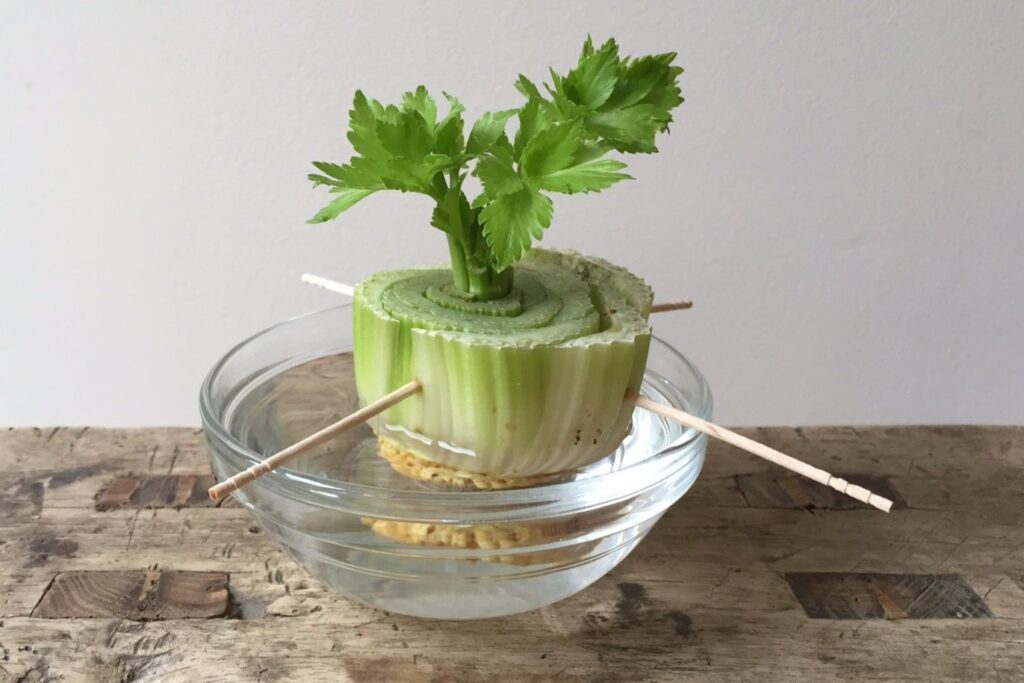
Celery is one of the most popular and versatile vegetables used in cooking. Whether you’re making a delicious salad, adding it to soups or stews, or using it as a garnish for cocktails, celery is an essential ingredient that deserves to be grown at home. In this article, we’ll show you how to grow celery in a pot, from choosing the right equipment to protecting your plants from frost.
Getting Started with Celery
Growing celery is easier than you think, and it doesn’t require any special skills or expertise. With the right equipment and a bit of care, you can enjoy fresh, crunchy celery right in your own backyard.
The Equipment You’ll Need
- A pot with a diameter of 16-18 inches
- A well-draining potting mix containing 10-15% sand
- A potted celery plant or seeds
- Fertilizer (balanced, water-soluble)
- Pruning scissors or a sharp knife
- Soil pH test kit
Planting Celery from a Potted Plant
If you’re new to growing celery, starting with a potted plant is the easiest way to go. Simply choose a healthy potted celery plant and transfer it to your pot. Make sure the pot has good drainage holes to prevent waterlogged soil.
- Dig a hole in your pot that’s about 2-3 times as wide and just as deep as the pot.
- Add a layer of potting mix, followed by the potted celery plant, making sure its “head” (the top part of the plant) is above the soil level.
- Fill in the rest of the pot with more potting mix, gently firming it around the roots to prevent settling.
Sowing Celery Seeds
If you prefer to start from seeds, here’s how:
- Fill small pots or containers with a seed starting mix, leaving about 1/4 inch at the top for watering.
- Plant two to four celery seeds per pot, covering them lightly with soil.
- Water gently but thoroughly, making sure the soil is consistently moist but not waterlogged.
Tips for Growing Celery
To ensure healthy growth and plenty of harvests, here are some key tips:
- Water your plants regularly, keeping the soil consistently moist but not waterlogged.
- Provide bright, indirect light to promote healthy growth. Avoid direct sunlight, which can cause scorching.
- Fertilize your celery plants with a balanced fertilizer once a month to encourage healthy growth.
Choosing the Right Potting Mix
The potting mix you use is crucial for growing healthy celery plants. Look for a mix that contains at least 10-15% sand, which will help prevent waterlogging and ensure good drainage.
- A good potting mix should also contain peat moss or coconut coir to retain moisture.
- Avoid mixes containing too much organic matter, as they can be prone to anaerobic conditions.
Soil pH and Celery
Celery prefers a slightly acidic soil pH, between 6.0 and 7.0. If your potting mix is too alkaline or too acidic, it may affect the growth of your celery plants.
- Use a soil pH test kit to check the acidity level of your potting mix.
- Adjust the pH if necessary by adding lime or sulfur to your potting mix.
Pest and Disease Control
As with any plant, pests and diseases can be a problem when growing celery. Here are some common issues and how to control them:
- Aphids: Use neem oil or insecticidal soap to control aphid populations.
- Whiteflies: Cover your plants with fine-mesh row covers to prevent whitefly infestations.
- Root rot: Improve drainage by adding more sand to your potting mix, and treat fungal infections with fungicides.
When to Grow Celery
Celery is typically grown during the cooler months of spring and fall, when temperatures are between 60°F (15°C) and 70°F (21°C). In warmer climates, you can grow celery year-round by providing shade or using hydroponics.
- In regions with mild winters, like Southern California, celery can be planted as early as January.
- In areas with cold winters, like the Northeast, it’s best to plant in late spring, after the last frost.
Protecting Celery from Frost
If you live in an area prone to frost, you’ll need to protect your celery plants from damage. Here are some tips:
- Move potted plants to a protected location, like a garage or greenhouse.
- Use row covers or individual plant wraps to shield your plants from frost.
- Bring plants indoors before the first frost date for your area.
Pruning and Harvesting
To encourage healthy growth and prevent celery from flowering, prune your plants regularly. Here’s how:
- Cut off any flower stalks as they form.
- Trim back the leaves to about 6 inches tall.
- Harvest individual stalks when they reach about 6-8 inches tall.
By following these simple steps and providing the right conditions, you’ll be enjoying fresh, delicious celery in no time!
Frequently Asked Questions
Q: How often should I water my celery plants?
A: Celery needs consistent moisture to thrive. Water your plants regularly, making sure the soil is moist but not waterlogged.
Q: Can I grow celery indoors?
A: Yes! With bright, indirect light and proper care, you can successfully grow celery indoors.
Q: How long does it take for celery to mature?
A: Celery typically takes 60-90 days to mature after sowing seeds or transplanting a potted plant.
Q: What are the best ways to harvest celery?
A: Harvest your celery when the stalks reach about 6 inches tall, using scissors or a sharp knife to cut them at the base of the plant.


