
Introduction
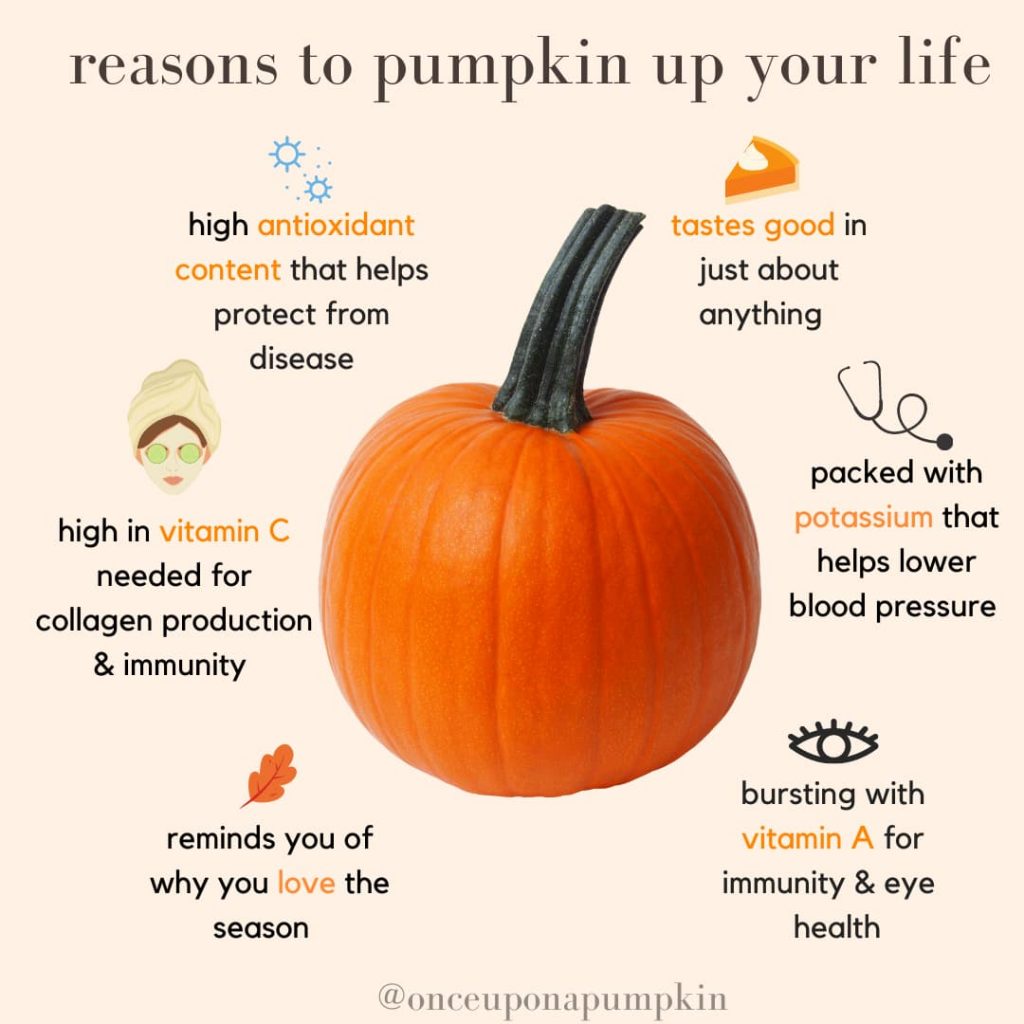
Pumpkin is a versatile and nutritious vegetable that has been used for centuries in cooking, medicine, and spirituality. Its sweet and slightly nutty flavor makes it a popular ingredient in many recipes, from soups to desserts. But pumpkin’s benefits extend far beyond the kitchen. In this article, we’ll delve into the nutritional power of pumpkin and explore its medicinal properties, culinary uses, and environmental impact.
The Nutritional Benefits of Pumpkin
Pumpkin is an excellent source of essential nutrients, including vitamins A, C, and E, potassium, magnesium, and iron. One cup of cooked pumpkin provides:
- Calories: 26
- Carbohydrates: 6.5g (2.76g sugar, 0.5g fiber)
- Protein: 1g
- Fat: 0.1g
- Fiber: 0.5g
- Vitamin A: 426 μg
- Beta-carotene: 3100 μg
- Lutein and zeaxanthin: 1500 μg
Pumpkin’s nutritional profile makes it an excellent addition to a healthy diet. Its high fiber content can help promote digestive health, while its vitamin A content supports eye health.
The Benefits of Pumpkin Seeds
Pumpkin seeds are a nutrient-rich snack that offers numerous health benefits. They contain:
- Calories: 574 kcal per 100g
- Carbohydrates: 14.71g (1.29g sugar, 6.5g fiber)
- Protein: 29.84g
- Fat: 49.05g (8.54g saturated, 15.73g monounsaturated, 19.85g polyunsaturated)
- Vitamin B1: 0.07mg
- Vitamin B2: 0.15mg
- Folate: 4.45mg
Pumpkin seeds are an excellent source of protein and healthy fats, making them a nutritious snack for those looking to manage their weight.
The Benefits of Pumpkin Oil
Pumpkin oil is a nutrient-rich oil that offers numerous health benefits. It’s rich in:
- Calories: 120 kcal per tablespoon
- Vitamin E: 0.44mg
- Linoleic acid: 11g
Pumpkin oil has been shown to support heart health, reduce inflammation, and improve skin health.
Environmental Impact
Pumpkin is a low-impact crop that requires minimal pesticides and fertilizers. It’s also an excellent choice for organic gardening. When choosing pumpkin, look for varieties that are disease-resistant and have a high yield.
In addition to its nutritional benefits, pumpkin is also a sustainable crop that can help reduce greenhouse gas emissions. Pumpkin requires less water than many other crops, making it an ideal choice for areas with limited water resources.
Culinary Uses of Pumpkin
Pumpkin is a versatile ingredient that can be used in a variety of dishes, from soups to desserts. Here are some popular uses of pumpkin:
- Soups: Pumpkin soup is a comforting and nutritious meal option.
- Baked goods: Pumpkin pie is a classic dessert, but you can also use pumpkin puree in muffins, cakes, and breads.
- Stir-fries: Pumpkin adds a sweet and nutty flavor to stir-fries.
- Roasted vegetables: Pumpkin pairs well with roasted vegetables like Brussels sprouts and sweet potatoes.
Health Benefits of Pumpkin
Pumpkin has been used for centuries in traditional medicine to treat a variety of health conditions, including:
- Digestive issues: Pumpkin’s high fiber content can help promote digestive health and reduce symptoms of irritable bowel syndrome (IBS).
- Respiratory issues: Pumpkin’s anti-inflammatory properties have been shown to reduce inflammation in the lungs and airways.
- Skin issues: Pumpkin’s antioxidant properties can help soothe and nourish the skin, reducing the appearance of acne and other skin conditions.
Medicinal Uses of Pumpkin
Pumpkin has been used in traditional medicine for a variety of purposes, including:
- Treating diabetes: Pumpkin’s fiber content can help regulate blood sugar levels and reduce the risk of developing type 2 diabetes.
- Reducing inflammation: Pumpkin’s anti-inflammatory properties have been shown to reduce inflammation in the body, which can help alleviate symptoms of conditions like arthritis and fibromyalgia.
- Supporting eye health: Pumpkin’s high beta-carotene content makes it an excellent choice for supporting eye health and reducing the risk of age-related macular degeneration.
Growing Your Own Pumpkin
Growing your own pumpkin is a fun and rewarding experience that can provide you with fresh, nutritious produce right in your own backyard. Here are some tips to help you grow a successful pumpkin crop:
- Choose a variety: There are many different types of pumpkins to choose from, each with its own unique characteristics and growing requirements.
- Prepare the soil: Pumpkin prefers well-draining soil that is rich in nutrients.
- Plant at the right time: In most regions, it’s best to plant pumpkin seeds in late spring or early summer when the soil has warmed up to at least 60°F (15°C).
- Provide adequate sunlight and water: Pumpkin requires full sun and consistent moisture to grow well.
Conclusion
Pumpkin is a nutritious and versatile ingredient that offers numerous health benefits. From its high fiber content to its medicinal properties, pumpkin is an excellent addition to a healthy diet. When choosing pumpkin, look for varieties that are disease-resistant and have a high yield. Experiment with different recipes to unlock the nutritional power of this amazing vegetable.
Frequently Asked Questions
- What are the benefits of eating pumpkin?
Pumpkin is rich in essential nutrients like vitamins A, C, and E, potassium, magnesium, and iron. It also contains fiber, protein, and healthy fats. - Can I use pumpkin seeds as a snack?
Yes, pumpkin seeds are a nutritious snack that’s high in protein and healthy fats. They’re an excellent choice for those looking to manage their weight. - What is the nutritional content of pumpkin oil?
Pumpkin oil is rich in vitamin E, linoleic acid, and calories. - Can I use pumpkin as a face mask?
Yes, pumpkin has antioxidant and anti-inflammatory properties that can help soothe and nourish the skin. - How do I cook with pumpkin?
Pumpkin can be cooked in a variety of ways, including boiling, roasting, or sautéing. It pairs well with vegetables like Brussels sprouts and sweet potatoes. - Can I use pumpkin oil as a cooking oil?
Yes, pumpkin oil is a healthy alternative to other cooking oils. It’s rich in vitamin E and has anti-inflammatory properties. - What are the environmental benefits of growing pumpkin?
Pumpkin is a low-impact crop that requires minimal pesticides and fertilizers. - Can I store pumpkin seeds for later use?
Yes, pumpkin seeds can be stored for up to 6 months in an airtight container.
By incorporating pumpkin into your diet, you can reap the numerous health benefits of this nutritious vegetable. From its high fiber content to its medicinal properties, pumpkin is an excellent addition to a healthy lifestyle.


