
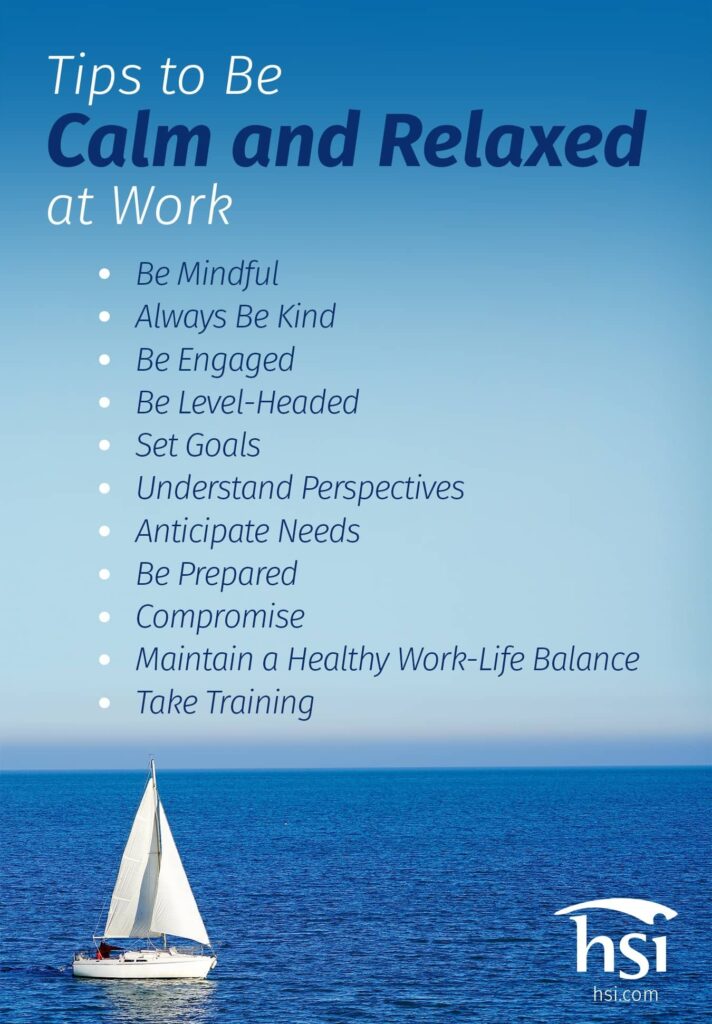
Maintaining calmness is not just a positive attribute, but it’s also a necessary tool to protect our mental health. We all need to learn how to stay calm without accumulating anger and resentment, ensuring a general serenity of mind that allows us to move forward without getting stuck in the past. There are various techniques we will explore, and it’s not guaranteed that they will work for everyone, so let’s try them out and see what works best for each individual.
The Importance of Calmness
Learning how to stay calm is an excellent skill that can be used whenever needed without feeling angry or stressed. When faced with challenging situations, it’s essential to know when to relax and not engage in conflicts. The goal is not to appear perfect but to conserve energy by avoiding unnecessary stress.
Maintaining calmness and good well-being are signs of wisdom, but more importantly, they are indicators of overall health and balance. Our emotions should be managed, allowing us to flow positively without harming ourselves. Even negative emotions have value as energy that can be converted to our advantage. So, why are we discussing this topic? The answer is simple: it connects with energy efficiency.
Breathing for Calmness
One simple yet often overlooked technique is deep breathing. When we get angry, we tend to hold our breath, which only escalates the situation. By taking deep breaths, we can calm ourselves quickly.
To practice this method, take 5 deep breaths, imagining that you’re releasing stress with each exhalation. As you breathe out, pay attention to your facial expression and transform it into a smile. If you’re not naturally smiling, don’t worry; the act of smiling helps shift our focus towards positivity.
In addition to breathing exercises, meditation can also be beneficial in maintaining calmness. Committing just 15 minutes daily to meditation can help your body learn to breathe deeply automatically, thereby reducing stress and anger. For those who prefer music, playing calming tunes as a background can soothe nerves and instantly alter our mood.
Changing Perspective
When faced with an irritant situation or person, our minds tend to focus on the source of irritation, making it difficult to shift perspective. This is where changing our point of view becomes crucial. Instead of dwelling on the negative aspect, we need to consider all the positive aspects that may have arisen from this situation.
Asking ourselves “Is there more to this?” can help us understand if the anger is truly justified or just a misplaced reaction. Practicing empathy by putting ourselves in others’ shoes can also aid in neutralizing feelings of anger and resentment. By being open-minded, we can better evaluate what’s essential and what’s not.
Setting Boundaries
We often overburden ourselves with numerous responsibilities, leading to an imbalance in our lives. Establishing boundaries is essential for maintaining calmness and good well-being. This means setting realistic expectations of ourselves and acknowledging when we need rest, whether physical or mental.
Understanding our limits is also crucial in recognizing what we can handle and what we cannot. It’s okay not to be perfect; the pursuit of perfection can lead to frustration, anger, and depression. By focusing on small, achievable goals and celebrating our accomplishments, we can cultivate a healthier mindset.
Exercise for Calmness
Regular physical activity is also a key component in maintaining calmness. There are two primary reasons for this:
- Stress relief: Exercise allows us to release pent-up negative energy without directing it towards harmful actions.
- Physical balance: Maintaining a healthy body and mind go hand-in-hand, as the physical aspect of well-being directly influences our mental state.
So, take a short walk outside; you’ll find that your anger dissipates, and you feel more at ease.
Listening to Yourself
The most important step in maintaining calmness is listening to yourself. Understanding what triggers your anger can help you address the root cause and neutralize it effectively. By giving yourself time to reflect on your emotions, you may discover that the initial apparent reason for your anger was not the actual issue.
Take a few moments each day to focus inwardly without distractions. Pay attention to your thoughts and feelings as they arise, and try to understand what’s driving your emotions.
The Benefits of Calmness
Maintaining calmness has numerous benefits, including:
- Reduced stress: By learning how to manage stress effectively, we can reduce the negative impact it has on our mental health.
- Improved relationships: When we’re calm and composed, we’re better equipped to navigate social situations and build stronger relationships.
- Increased productivity: A calm mind is a more focused mind, leading to increased productivity and efficiency in both personal and professional settings.
- Better decision-making: By taking the time to reflect on our emotions and thoughts, we can make more informed decisions that align with our values and goals.
Overcoming Common Obstacles
While maintaining calmness is a valuable skill, it’s not always easy. Here are some common obstacles to overcome:
- Lack of motivation: Establishing a daily routine that includes relaxation techniques can help increase motivation.
- Difficulty quieting the mind: Regular practice can help improve focus and concentration, making it easier to quiet the mind.
- Societal pressures: It’s essential to surround yourself with supportive people who understand the importance of maintaining calmness.
Conclusion
Maintaining calmness is an essential tool for our well-being. By practicing breathing exercises, changing perspective, setting boundaries, engaging in exercise, and listening to ourselves, we can cultivate a healthier mindset that allows us to live life with serenity. Remember, it’s not about appearing perfect; it’s about conserving energy by avoiding unnecessary stress.
Frequently Asked Questions (FAQs)
-
How do I start practicing breathing exercises?
- Begin by taking 5 deep breaths each day and gradually increase the duration as you become more comfortable with the practice.
-
Can meditation be practiced anywhere?
-
Yes, meditation can be done in any location that feels peaceful to you; it’s essential to find a quiet space where you feel relaxed and focused.
-
How often should I meditate?
-
It’s recommended to start with short sessions (15 minutes) and gradually increase the time as you become more accustomed to the practice.
-
Can exercise help me manage stress?
-
Yes, regular physical activity can significantly reduce stress and anxiety by releasing pent-up negative energy.
-
How do I develop self-awareness and learn to listen to myself?
-
Begin by setting aside dedicated time for reflection each day. Take a few moments to focus inwardly without distractions, allowing yourself to become more aware of your thoughts and emotions.
Remember, maintaining calmness is an ongoing process that requires patience, practice, and dedication. By incorporating these techniques into your daily life, you’ll be well on your way towards cultivating the mental clarity and serenity you desire.


