
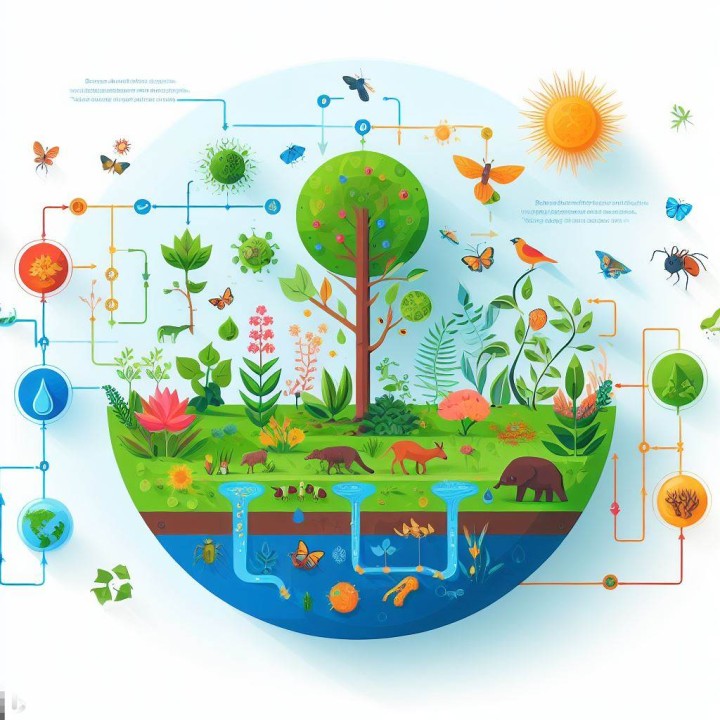
As consumers, we often take for granted the impact that our purchasing decisions have on the environment. However, every object has an environmental balance that is based on its sustainability, durability, pollution from production processes, and price. Let’s explore this concept using everyday examples, such as kitchenware and clothing.
The Importance of Environmental Balance
Every object has a unique environmental balance that affects not only the planet but also our own well-being. A heavy pot with a double bottom, for instance, is a better investment than a non-stick pan made from Teflon, which lasts less time and poses health risks if not disposed of properly.
The Teflon pan’s short lifespan and potential health hazards make its environmental balance negative, while the double-bottomed pot has a more sustainable design. This principle applies to all objects, including textiles.
Textiles: A Case Study
Clothing is another area where our choices have a significant impact on the environment. Synthetic fabrics like polyester and nylon are often used in bedding, underwear, and children’s clothing due to their affordability. However, they can cause problems with moisture buildup, leading to hygiene issues and potential health risks.
Although natural fibers like cotton seem more eco-friendly, they may still harbor environmental drawbacks. Cotton can absorb pesticides from farming processes, and some treatments applied to natural fabrics can be harmful if not washed off completely.
The Complexity of Environmental Balance
A product’s environmental balance is determined by a range of factors beyond the quality of individual materials used in its construction. For instance, insulation materials like foam, fiberglass, or wool may initially appear eco-friendly but become polluting agents when treated with chemicals or additives.
To make environmentally responsible choices, we must be aware that price does not always correlate with sustainability. Our purchasing decisions have a significant impact on the world around us, and it’s essential to consider these factors when making buying decisions.
Understanding the Environmental Impact of Materials
Materials play a crucial role in determining an object’s environmental balance. Natural materials like wood, bamboo, or cotton are generally more sustainable than synthetic materials like plastics or polyesters. However, even natural materials can have negative environmental impacts if not sourced sustainably or processed using environmentally friendly methods.
For example, some types of wood, such as mahogany or ebony, may be harvested unsustainably, leading to deforestation and habitat loss. On the other hand, bamboo is a highly renewable resource with minimal environmental impact when harvested and processed correctly.
The Role of Production Processes in Environmental Balance
Production processes can significantly impact an object’s environmental balance. For instance, products made using chemical-based dyes or finishes may contain toxic substances that can harm human health and the environment.
Additionally, production processes like mining, drilling, or logging can lead to environmental degradation, pollution, and resource depletion if not managed sustainably.
The Impact of Disposal on Environmental Balance
Disposal is another critical factor in determining an object’s environmental balance. Products with non-biodegradable materials or that are designed for short-term use may contribute to waste generation, pollution, and environmental damage when disposed of incorrectly.
For example, plastic bags, straws, and water bottles are often used briefly but can take hundreds of years to decompose, harming marine life and ecosystems in the process.
Conclusion
As consumers, we have the power to shape our own environmental balance by making informed choices about the products we buy and use. By considering the broader context of sustainability and taking steps towards eco-friendly consumption practices, we can contribute to a healthier planet for future generations.
Tips for Sustainable Consumption
- Buy second-hand: Consider purchasing second-hand clothing, furniture, or household items instead of buying new.
- Choose durable products: Opt for products made from high-quality materials that are designed to last longer and require less maintenance.
- Avoid single-use products: Refuse single-use products like plastic bags, straws, and water bottles, and opt for reusable alternatives instead.
- Support sustainable brands: Research companies that prioritize sustainability and environmentally friendly practices in their production processes and supply chains.
- Conduct regular maintenance: Regularly maintain your belongings to extend their lifespan and reduce waste generation.
Frequently Asked Questions
- What are some examples of sustainable kitchenware?
- Heavy pots with double bottoms, stainless steel cookware, and cast iron pans are good alternatives to non-stick Teflon pans due to their durability and reduced environmental impact.
- How can I choose eco-friendly clothing?
- Opt for natural fibers like cotton when possible and avoid synthetic fabrics like polyester. Consider the treatment processes used on textiles and whether they align with sustainable practices.
- What are some potential health risks associated with Teflon pans?
- Exposure to fumes from heated Teflon can cause respiratory problems, while non-stick coating can contain chemicals linked to cancer if ingested or released into the environment.
- How do textiles contribute to pollution in the environment?
- Textiles are made using processes that release pollutants and contribute to waste generation, and their disposal often ends in landfills or incineration.
- What are some signs of a product’s positive environmental balance?
- Look for materials with natural origins, minimal processing, and durable designs that reduce the need for frequent replacements.
- How can I ensure my home insulation has a low environmental impact?
- Opt for eco-friendly insulation materials like recycled denim, wool, or natural fibers without chemical additives.
- What role does pricing play in determining a product’s environmental balance?
- While price may not be the sole indicator of sustainability, it can be an important factor in choosing between options with varying levels of environmental impact.
- Can natural fibers like cotton really harm the environment?
- Cotton farming processes can use pesticides and fertilizers that contribute to pollution if not implemented sustainably.
- How do treatment processes on textiles affect their environmental balance?
- Chemical treatments applied to textiles for water repellency, anti-wrinkling, or stain resistance may contain harmful substances that cannot be washed off completely.
- What can I do to minimize my impact on the environment through consumer choices?
- Be informed about products and materials used in their construction, choose eco-friendly options when possible, and support sustainable practices wherever you can.
By understanding the environmental balance of objects and making conscious purchasing decisions, we can contribute to a more sustainable future.


