
Understanding Silence Assenso: A Comprehensive Guide to Italy’s New Administrative Procedure
Introduction
In recent years, the Italian legal system has undergone significant changes aimed at streamlining administrative procedures and reducing bureaucracy. One of these initiatives is the concept of silence assenso, a principle introduced in 2015 through the “Legge Madia” law. This article aims to provide an in-depth understanding of silence assenso, its implications for various sectors such as environmental protection, cultural heritage, public services, and construction projects.
What is Silence Assenso?
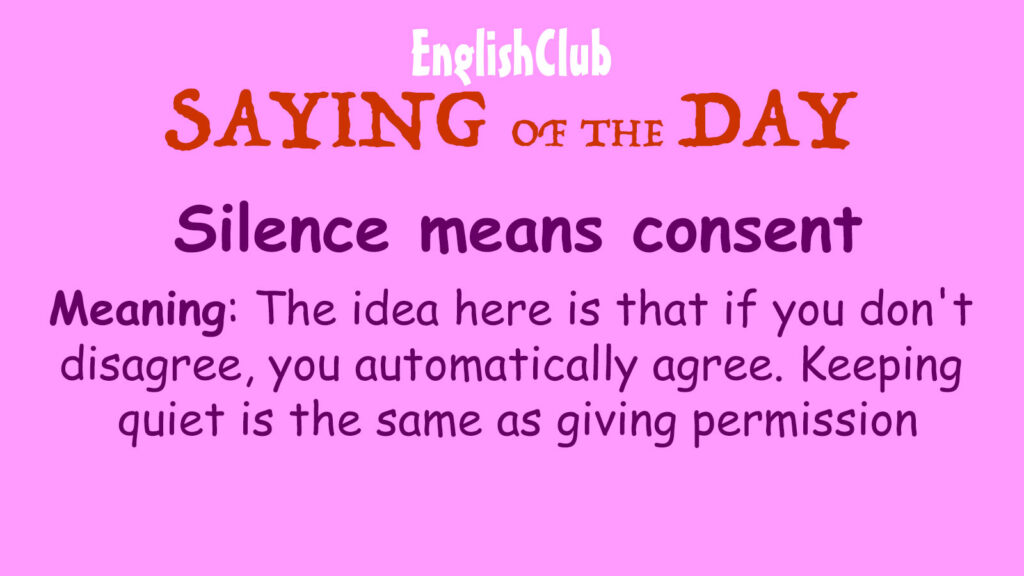
Silence assenso (Italian for “consent by silence”) is a principle that allows public administrations to consider silence from certain entities within a specified timeframe as consent or approval for an action. This concept aims to simplify administrative procedures, reduce delays, and increase efficiency in various sectors.
History of Silence Assenso
The idea of silence assenso dates back to 2013, when the Italian government launched a national campaign to promote transparency and simplicity in public administration. The “Legge Madia” law, introduced in 2015, further developed this concept by incorporating it into Italy’s administrative procedure.
How Does Silence Assenso Work?
The principle of silence assenso is based on the following steps:
- A public authority issues a request or proposal within the framework of an administrative procedure.
- The relevant entities (such as environmental organizations, local authorities, or other stakeholders) have 30 to 90 days to respond with comments, objections, or approval.
- If no response is received within the designated timeframe, the silence assenso principle comes into play.
- In this case, the public authority may consider the silence as consent or approval for the action in question.
Silence Assenso in Environmental Protection
One of the most significant applications of silence assenso is in environmental protection. The principle aims to streamline decision-making processes related to environmental projects and policies.
For instance, if a local authority does not respond to a proposal for a new renewable energy project within 90 days, it can be considered as consent or approval for the project. This allows authorities to expedite the process, reducing delays and increasing the efficiency of environmental decision-making.
Silence Assenso in Public Services
The introduction of silence assenso has also had significant implications for public services. By limiting the timeframe for responses from local authorities, the principle aims to simplify administrative procedures and reduce bureaucracy.
For example, in urban planning, silence assenso can be used to expedite decision-making on construction projects. If a local authority does not respond to a proposal within 30 days, it can be considered as consent or approval for the project, eliminating the need for lengthy deliberations.
Certified Agibility and Silence Assenso
Another aspect of silence assenso is the certification of agibilità (certificato di agibilità). This document attests to the safety, hygiene, energy efficiency, and other conditions of buildings and infrastructure projects. The certification process typically involves local authorities verifying compliance with relevant regulations.
Permits for Construction: Simplification through Silence Assenso
One of the most significant benefits of silence assenso is its potential to simplify the permit process for construction projects. By limiting the timeframe for responses from local authorities, silence assenso reduces the likelihood of delays and contestations.
This means that developers and builders can now obtain permits more quickly, which can lead to increased efficiency in the construction industry.
Implementation of Silence Assenso
The implementation of silence assenso varies depending on the sector and the specific regulations. In general, public administrations are responsible for applying the principle of silence assenso in their decision-making processes.
However, there are some exceptions:
- Private citizens cannot rely on silence assenso when interacting with authorities or making decisions affecting their personal lives.
- Silence assenso only applies to administrative procedures involving public administrations and not to private entities.
- The principle of silence assenso is still evolving and subject to interpretation in various sectors.
Frequently Asked Questions
- What is the purpose of silence assenso?
Silence assenso aims to simplify administrative procedures by providing a streamlined process for decision-making in various sectors.
- Who can rely on silence assenso?
Only public administrations can rely on silence assenso, as it only applies to administrative procedures involving them and their interactions with other entities.
- How long does the silence assenso period typically last?
The silence assenso period varies depending on the sector, but typically ranges from 30 to 90 days.
- Can private citizens use silence assenso when interacting with authorities?
No, private citizens cannot rely on silence assenso when interacting with authorities or making decisions affecting their personal lives.
- How can I obtain a certified agibility certificate?
To obtain a certified agibility certificate, you will need to submit an application to the local authority and provide relevant documentation and verification of compliance with regulations.
- What are the benefits of silence assenso for construction projects?
Silence assenso simplifies the permit process for construction projects, reducing delays and contestations, which can lead to increased efficiency in the industry.
- Can silence assenso be used for other types of decisions or projects beyond construction and environmental protection?
Yes, silence assenso can be applied to various administrative procedures involving public administrations, but its use is still evolving and subject to interpretation.
- What are the implications of silence assenso for cultural heritage and historical preservation?
Silence assenso has significant implications for cultural heritage and historical preservation, as it allows local authorities to expedite decision-making on projects that may impact these areas.
Conclusion
In conclusion, understanding silence assenso is crucial for navigating Italy’s complex administrative landscape. By streamlining procedures, reducing bureaucracy, and increasing efficiency, the principle of silence assenso has significant implications for various sectors such as environmental protection, cultural heritage, public services, and construction projects.
As the concept continues to evolve, it will be essential for stakeholders to stay informed about its application, limitations, and potential benefits.


