
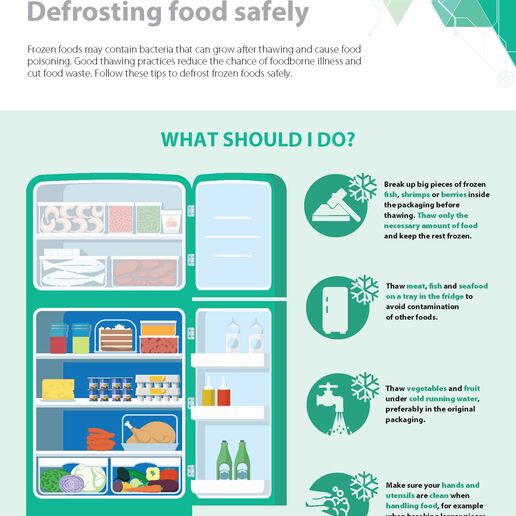
Freezing food is a matter of convenience, but are you sure you know the most effective methods? With the right techniques and knowledge, you can enjoy your favorite foods all year round. In this article, we’ll explore the fundamentals of freezing food, from preparing meals to fruits, and provide you with expert tips on how to preserve your food safely.
Frozen Food: Understanding the Fundamentals
Before we dive into the nitty-gritty of freezing food, it’s essential to understand the two fundamental criteria that must be considered when choosing foods to preserve:
- Seasonality: Freeze only products that are available in specific seasons. For example, prized vegetables, red fruit, and game meat have their availability prolonged through freezing.
- Quantity: Freezing is convenient for perishable items whose large-scale purchase can result in significant savings.
In addition to these criteria, consider freezing cooked dishes or common ready-to-eat meals that require a considerable amount of preparation time. By following these guidelines, you’ll be able to enjoy your favorite foods throughout the year without worrying about their freshness and quality.
Preparing Food for Freezing
Before freezing, prepare the food by removing any waste and unusable parts such as bones, skins, and trimmings. The prepared product must be thoroughly washed and dried before wrapping. Proper packaging is also crucial:
- Prevents drying out: Wrapping food in airtight materials or vacuum-sealing can help maintain its moisture content.
- Protects from moisture and air: Materials like polyethylene film, specialized food-grade cellulose film, aluminum sheets, or rigid containers made of aluminum, plastic, or glass are impermeable to water, air, steam, fats, and acids.
- Prevents odors from spreading: Packaging materials can also help contain strong-smelling foods to prevent the transfer of flavors and aromas.
Freezing Fresh Fruit
Fresh fruit must be fresh and fully mature to ensure long-term preservation and maintain its color. To preserve the color, package most of the fruit with a sugar or honey syrup. The choice between sugar and honey depends on the intended use after thawing:
- Sugar: Preferred for cooked fruits or used in baked goods.
- Honey: Better suited for raw fruits.
For every kilogram of fruit, about 250 grams of sugar are required to maintain color. To preserve color, immerse the fruit in lemon juice before applying the sugar syrup.
Honey, on the other hand, can be prepared by boiling water and adding sugar until it’s completely dissolved. Once prepared, this mixture should cool down before being used.
Packaging Materials for Freezing
The materials you use for packaging must be chemically inert and impermeable to water, air, steam, fats, and acids. Suitable materials include:
- Polyethylene film: Available in rolls or sachets.
- Specialized food-grade cellulose film:
- Aluminum sheets: In rolls or sheets.
- Rigid containers: Made of aluminum, plastic, or glass.
A key characteristic of these materials is their impermeability to water, air, steam, fats, and acids. When choosing packaging materials, consider the type of food you’re freezing, its texture, and any specific requirements for preservation.
Understanding the Difference between Freezing and Ice Storage
If you’re curious about the difference between freezing and ice storage, we recommend reading our article:
Published by Anna De Simone on April 23, 2015
In this article, we’ll delve into the details of both methods, highlighting their advantages and disadvantages. Whether you prefer freezing or ice storage, our comprehensive guide will help you make informed decisions about preserving your food.
Freezing vs. Ice Storage: A Comparison
While both methods are used for food preservation, they have distinct differences:
- Freezing: Involves cooling the food to a temperature below its freezing point to prevent bacterial growth and spoilage.
- Ice Storage: Uses ice to cool the food and maintain a consistent temperature.
Both methods can be effective for preserving certain types of food, but it’s essential to consider factors such as:
- Food texture
- Nutrient retention
- Flavor and aroma preservation
Freezing Techniques
When freezing, there are several techniques you can use to preserve your food effectively:
- Flash Freezing: Involves rapidly cooling the food to a temperature below its freezing point using liquid nitrogen or dry ice.
- Slow Freezing: Also known as “air-chilling,” this method involves gradually lowering the food’s temperature over several hours.
By understanding these techniques and choosing the right methods for your specific needs, you can enjoy your favorite foods all year round while maintaining their quality and nutritional value.
Freezer Storage: Tips and Tricks
Proper storage is essential for preserving frozen food. Here are some tips to keep in mind:
- Labeling: Clearly label each container with its contents, date, and storage instructions.
- Organization: Store containers in a logical order, making it easier to retrieve the items you need.
- Temperature Control: Ensure that your freezer maintains a consistent temperature between -18°C and -20°C (-0.4°F and -4°F).
- Air-tight Containers: Use air-tight containers or vacuum-seal bags to prevent moisture from entering.
By following these guidelines, you can enjoy your frozen food while maintaining its freshness and quality.
Common Mistakes to Avoid
When freezing food, there are several common mistakes that can lead to spoilage or nutrient loss. Here are some of the most significant errors to avoid:
- Insufficient Freezing Time: Ensure that your food is frozen for a sufficient amount of time to prevent bacterial growth.
- Incorrect Temperature Control: Maintain a consistent temperature in your freezer to ensure proper preservation.
- Inadequate Packaging: Use appropriate packaging materials and follow the recommended storage instructions.
By understanding these common mistakes and avoiding them, you can enjoy your frozen food while maintaining its quality and nutritional value.
Conclusion
Freezing food is an effective method for preserving nutrients, flavor, and texture. By following our comprehensive guide, you’ll be able to freeze your favorite foods safely and effectively.


