
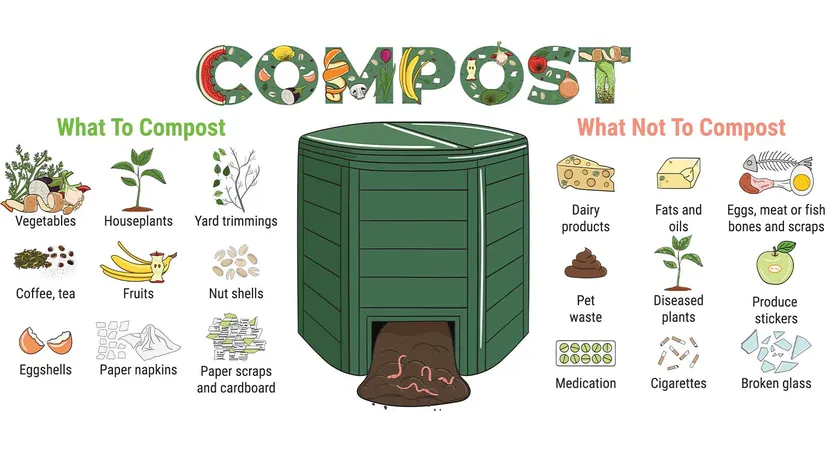
As the old saying goes, “nature’s way is the best way.” And when it comes to composting, this couldn’t be more true. The transformation of organic waste into a nutrient-rich soil amendment is truly a wonder of nature. But how does it actually work?
Understanding the Science Behind Composting
Composting is an anaerobic process that involves the breakdown of organic matter by microorganisms in the absence of oxygen. This decomposition process releases heat, carbon dioxide, and water vapor as waste products. The end result is a nutrient-rich soil amendment that can improve soil fertility, structure, and overall health.
The Role of Microorganisms
Microorganisms play a crucial role in the composting process. These tiny creatures feed on organic matter, breaking down complex molecules into simpler ones that can be reused by plants. There are several types of microorganisms involved in composting, including:
- Bacteria: These single-celled organisms are responsible for decomposing proteins, carbohydrates, and fats.
- Fungi: These multicellular organisms break down complex organic matter, such as lignin and cellulose.
- Nematodes: These microscopic worms feed on bacteria and other microorganisms.
The Importance of Carbon-Nitrogen Ratios
Maintaining an optimal carbon-nitrogen ratio is crucial for effective composting. A general rule of thumb is to aim for a ratio of 25:1 or higher, meaning that there should be at least 25 parts of dry material (such as leaves or straw) for every part of green material (such as food scraps or grass clippings).
How Compost is Produced
To understand how composting works, you need to know that organic waste can serve as food for microorganisms and animals. These tiny creatures devour the waste, breaking down complex molecules into simpler ones that can be reused by plants.
Imagine a leaf falling from an tree. The leaf enters a complex food chain where someone eats it, becoming food for another organism, until finally, the original matter (the leaf) is transformed into humus.
The Humus Connection
Humus improves soil fertility by breaking down organic matter into smaller particles that can be easily absorbed by plants. Similarly, your household waste can enter a complex food chain and become a nutrient-rich fertilizer for your garden.
What is Composting?
From a chemical perspective, composting is an oxidation process carried out by living organisms on organic waste. In other words, it’s a biological reaction that breaks down waste into a stable product – compost.
To break this down further, we can divide composting into two phases:
-
Phase 1: Initial Breakdown
During this phase, easily degradable substances (like sugars, acids, proteins, and simple fats) are broken down by aerobic bacteria. This rapid process releases heat, causing the mixture to reach temperatures above 60°C.
How Heat is Released
The bacteria break down organic molecules by releasing energy in the form of heat. As a result, the temperature rises, creating an ideal environment for microorganisms to thrive.
However, if this phase goes awry, it can lead to unpleasant odors and poor compost quality. To avoid this, make sure your compost pile is:
- Well-maintained (regularly turning)
- Adequately aerated
- Free of large organic materials
-
Phase 2: Maturation
The initial phase concludes with the formation of fresh compost, which may not yet be ready for use. This compost is then matured by fungi and other microorganisms.
During this phase, complex substances like lignin, cellulose, and starch are broken down into simpler compounds. The temperature drops between 40-45°C before stabilizing near room temperature.
-
Wildlife in the Compost
In the final stage of composting, small animals like worms, insects, and mites colonize your pile. These tiny creatures play a crucial role by breaking down even more complex materials into nutrient-rich humus.
Benefits of Composting
Composting offers numerous benefits for both the environment and your garden. Some of these advantages include:
- Improved soil fertility: Compost adds essential nutrients to your soil, promoting healthy plant growth.
- Reduced waste: Composting reduces the amount of organic waste sent to landfills.
- Increased water retention: Compost helps retain moisture in your soil, reducing the need for frequent watering.
- Pest control: Compost can help control pests and diseases by creating an environment that is less conducive to their growth.
How to Get Started with Composting
Starting a compost pile is easier than you think. Here are some steps to get you started:
- Choose a location: Select a well-ventilated area for your compost pile, away from direct sunlight and moisture.
- Collect materials: Gather organic waste such as food scraps, leaves, grass clippings, and other yard trimmings.
- Maintain the pile: Regularly turn your compost pile to ensure even decomposition.
- Monitor temperature: Keep an eye on the temperature of your compost pile, aiming for temperatures between 60-80°C (140-176°F).
- Harvest your compost: Once your compost is mature, you can use it to fertilize your garden.
Tips and Tricks
Here are some additional tips and tricks to help you succeed in composting:
- Add bulking agents: Incorporate materials like straw or shredded newspaper into your compost pile to improve aeration.
- Avoid contaminants: Steer clear of adding meat, dairy, and oily foods to your compost pile, as they can attract pests and create unpleasant odors.
- Maintain moisture: Keep your compost pile moist but not waterlogged, as excess moisture can lead to anaerobic conditions.
Conclusion
Composting is a simple yet powerful way to reduce waste and promote sustainable gardening practices. By understanding the science behind composting, you can create a nutrient-rich soil amendment that improves soil fertility, structure, and overall health. With regular maintenance and attention to detail, your compost pile will thrive, providing you with a bounty of benefits for years to come.
Frequently Asked Questions
Here are some additional questions and answers to help you better understand the world of composting:
Q: What is the ideal carbon-nitrogen ratio for composting?
A: A general rule of thumb is to aim for a ratio of 25:1 or higher, meaning that there should be at least 25 parts of dry material (such as leaves or straw) for every part of green material (such as food scraps or grass clippings).
Q: How long does it take to mature compost?
A: Composting can take anywhere from a few weeks to several months, depending on factors like climate and waste composition.
Q: What materials should I avoid adding to my compost pile?
A: Avoid adding meat, dairy, and oily foods to your compost pile as they can attract pests and create unpleasant odors.


