
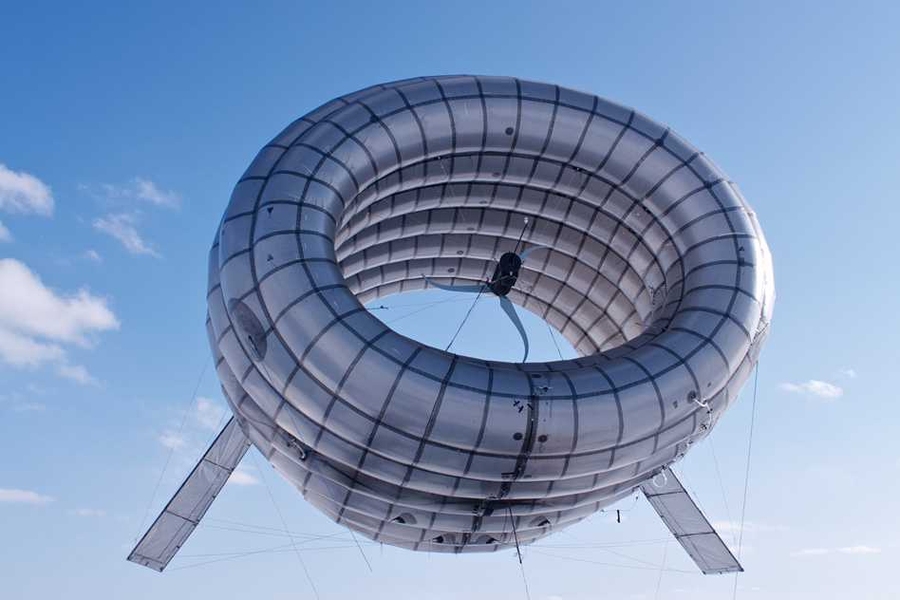
The world is rapidly shifting towards renewable energy sources to reduce its reliance on fossil fuels. One exciting technology that has gained attention in recent years is high-altitude wind energy, also known as “eolico ad alta quota.” This innovative approach leverages the power of wind at higher elevations to generate electricity. In this article, we will delve into the concept of high-altitude wind energy, explore its benefits, and highlight some remarkable projects that are already making waves in the industry.
What is High-Altitude Wind Energy?
High-altitude wind energy harnesses the power of wind at altitudes above 200 meters. This approach differs from traditional wind turbines, which are typically installed on the ground or at lower elevations. By extending the altitude range, high-altitude wind energy can tap into stronger and more consistent winds, leading to increased electricity generation.
The Benefits of High-Altitude Wind Energy
High-altitude wind energy offers several advantages over traditional wind power:
- Increased energy production: The higher winds at altitudes above 200 meters result in significant increases in energy production.
- Reduced visual impact: High-altitude turbines can be installed without obstructing scenic views or agricultural land, making them a more acceptable option for rural areas.
- Longer turbine lifespan: The lower wind loads at high altitudes lead to reduced wear and tear on turbine components, extending their lifespan.
The Kite Project: A German Success Story
The German government has launched a pioneering project that utilizes kite technology to harness the power of high-altitude winds. By attaching a kite to a tethered cable, the kite captures wind energy more efficiently than traditional turbines. According to the project’s leader, “the energy output of our kites exceeds that of conventional wind turbines by a significant margin.”
The Kite Gen Project: An Italian Innovation
An Italian team has developed a similar approach using larger kites connected to ground-based towers. The Kite Gen prototype uses high-strength materials, such as Dyneema ropes, to connect the kite to the turbine. According to the project’s developers, “the kite’s retraction process consumes only a fraction of the energy produced.”
Google’s Turbine-Volante Project
The tech giant Google has ventured into the field of high-altitude wind energy with its innovative turbine-volante technology. By developing lightweight and aerodynamic designs, Google aims to reduce the environmental impact of traditional wind turbines.
Real-World Applications: The Siemens B75 Pale Eoliche
While still in its infancy, high-altitude wind energy has already found practical applications in real-world projects. For instance, the Siemens B75 pale eolica is one of the largest wind turbines in the world, with a 75-meter blade span rivaling that of an Airbus A380.
Advantages and Disadvantages of High-Altitude Wind Energy
While high-altitude wind energy holds tremendous potential, it also presents some challenges:
- Weather conditions: Turbulence and extreme weather events can significantly impact the performance and reliability of high-altitude wind turbines.
- Maintenance costs: The higher altitude of these turbines requires specialized equipment and techniques for maintenance and repair.
- Visual impact: While high-altitude turbines have a reduced visual impact, they still pose aesthetic concerns for some communities.
Economic and Environmental Benefits
High-altitude wind energy offers several economic and environmental benefits:
- Reduced greenhouse gas emissions: By transitioning to renewable energy sources, countries can significantly reduce their carbon footprint.
- Job creation and local economic growth: The development of high-altitude wind energy projects creates employment opportunities in rural areas and stimulates local economies.
- Improved air quality: Renewable energy sources produce no emissions, leading to improved air quality and public health.
Challenges Ahead
Despite its potential benefits, high-altitude wind energy faces several challenges:
- Scalability: The industry needs to develop more efficient and cost-effective technologies to make this technology viable at large scales.
- Policy support: Governments must create supportive policies and regulations to encourage the development of high-altitude wind energy projects.
- Public acceptance: High-altitude wind turbines require careful planning and community engagement to address aesthetic concerns.
Conclusion
High-altitude wind energy offers a promising solution for the renewable energy sector. By leveraging the power of wind at higher elevations, this technology can provide significant increases in energy production while reducing visual impact and environmental footprint. As the industry continues to evolve, it will be exciting to see how innovative projects like these shape the future of clean energy.
Frequently Asked Questions
- What are the main advantages of high-altitude wind energy?: High-altitude wind energy offers increased energy production, reduced visual impact, and longer turbine lifespan compared to traditional wind power.
- Which countries are leading the charge in high-altitude wind energy research?: Germany, Italy, and the United States are among the countries actively exploring this technology.
- How do kite-based systems differ from traditional wind turbines?: Kite-based systems use tethered cables to harness wind energy more efficiently than traditional turbines.
- What is the potential impact of high-altitude wind energy on the environment?: By reducing reliance on fossil fuels, high-altitude wind energy can help mitigate climate change and its associated environmental effects.
- Are there any notable challenges or limitations associated with high-altitude wind energy?: While promising, high-altitude wind energy faces challenges related to turbulence, weather conditions, and maintenance costs.
- What role do government initiatives play in supporting the development of high-altitude wind energy?: Governments around the world are launching programs and incentives to encourage innovation and investment in this emerging technology.


