
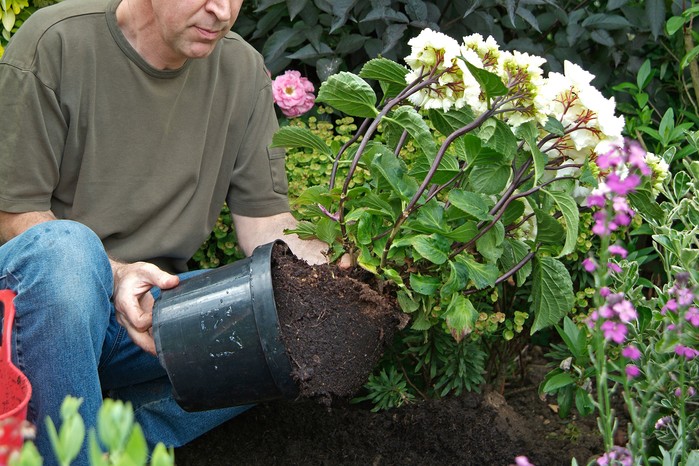
When it comes to planting shrubs, timing is everything. The best time to plant is from late autumn to early March, when the vegetation is in a state of dormancy. This allows for optimal root growth and establishment.
In this article, we’ll delve deeper into the world of shrub planting, covering topics such as preparing the soil, selecting healthy plants, and providing post-planting care. We’ll also answer frequently asked questions to help you make informed decisions about your garden.
Why Choose Late Autumn to Early March?
This period offers several advantages:
- Cooler temperatures reduce transpiration, minimizing stress on newly planted shrubs.
- Lower humidity ensures better soil moisture retention.
- A longer growing season enables the shrub to develop a strong root system before winter sets in.
By planting during this time, you’ll be giving your shrubs the best chance to establish themselves and thrive.
Preparing the Soil for New Shrubs
Before planting, it’s essential to prepare the soil. Here are some key considerations:
Checking Soil Conditions
To determine if your soil needs correction, follow these steps:
- Check the pH level using a digital pH meter.
- Measure the pH range: acidic (pH 0-7), neutral (pH 7-14), or alkaline.
Correcting Soil Issues
Based on the pH level and soil conditions, make adjustments to improve drainage and nutrient availability:
- Add organic matter like compost or manure to create a well-draining mix.
- Mix in perlite or vermiculite to enhance drainage and structure.
- If necessary, add sulfur or lime to adjust the pH.
Preparing the Planting Site
Once you’ve prepared your soil, it’s time to choose the right shrub. Look for plants with well-developed roots and a robust stem.
Tips for Selecting Healthy Shrubs
When selecting new shrubs:
- Buy plants in containers, as they will be less stressed during transplanting.
- Inspect the roots before planting; remove any damaged or circling roots.
- Handle the roots gently to avoid causing damage.
By choosing healthy shrubs, you’ll be giving them the best chance to thrive and provide beauty to your garden.
Planting Your New Shrub
To ensure a successful plant installation:
- Dig a hole that’s twice as wide and just as deep as the root ball.
- Remove the plant from its container, taking care not to disturb the roots.
- Place the shrub in the hole, making sure the collar (where the stem meets the roots) is above the soil level.
- Fill in the hole with a mix of soil and organic matter, gently firming it around the roots.
- Water thoroughly and mulch around the base to retain moisture.
Post-Planting Care
To ensure your new shrub thrives:
- Water regularly, but avoid overwatering.
- Fertilize with a balanced fertilizer during the growing season.
- Prune the shrub annually to maintain its shape and promote healthy growth.
By providing proper care and attention, you’ll be able to enjoy a thriving and beautiful garden filled with lush, green shrubs.
Frequently Asked Questions
-
What is the best soil pH for planting shrubs?
The ideal soil pH for planting shrubs depends on the specific species. Generally, most deciduous shrubs prefer a slightly acidic to neutral soil pH (6.0-7.0), while evergreen shrubs can tolerate a wider range of pH levels.
-
Can I plant shrubs in containers?
Yes, you can plant shrubs in containers. This method is ideal for young or sensitive plants that require protection from wind and extreme temperatures.
-
How often should I water my newly planted shrub?
Water your newly planted shrub regularly, but avoid overwatering. Aim to provide about 1 inch of water per week, either through rainfall or irrigation.
-
Can I plant multiple shrubs together?
Yes, you can plant multiple shrubs together, but make sure they have different growth habits and requirements. Plant them at the same depth and water thoroughly after planting.
-
How long does it take for a newly planted shrub to establish itself?
The time it takes for a newly planted shrub to establish itself depends on factors like climate, soil quality, and plant species. On average, most shrubs will take 1-3 years to reach their full potential after planting.
-
Can I prune my newly planted shrub immediately?
No, it’s best not to prune your newly planted shrub immediately. Allow it to establish itself for at least 1 year before pruning to minimize stress and promote healthy growth.
By understanding the importance of timing, soil preparation, and post-planting care, you’ll be well on your way to creating a thriving and beautiful garden filled with lush, green shrubs.
Additional Tips and Considerations
- Soil Depth: When digging holes for shrubs, aim for a depth that’s twice the diameter of the root ball.
- Mulching: Mulch around the base of your shrub to retain moisture, suppress weeds, and regulate soil temperature.
- Fertilization: Fertilize your shrub with a balanced fertilizer during the growing season to promote healthy growth and development.
By following these guidelines and providing proper care, you’ll be able to enjoy a thriving and beautiful garden filled with lush, green shrubs.


