
Introduction
For many homeowners, the attic is a forgotten space that serves as a storage area or a dumping ground for unwanted items. However, with the right strategies and renovations, an unhabitable attic can be transformed into a cozy living space that adds value to your home. In this article, we’ll delve into the world of attic conversions, exploring the requirements for making an unhabitable attic habitable, the different types of attics, and the process of renovating one.
Understanding the Difference between Attic and Mansard
Before diving into the world of attic conversions, it’s essential to understand the difference between an attic and a mansard. An attic refers to any space in an older home that is not directly accessible from the main floor, whereas a mansard is a specific type of attic conversion that involves raising the ceiling height to create additional living space.
To distinguish between an attic and a mansard, consult your local building codes and regulations. In some regions, the terms are used interchangeably, while in others, they have distinct meanings.
Recuperating an Unhabitable Attic
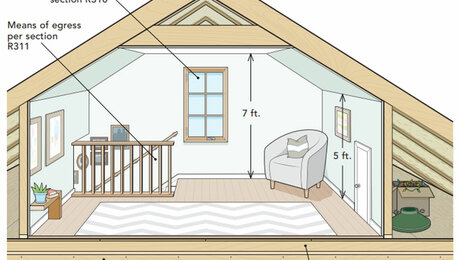
To turn an unhabitable attic into a livable space, you’ll need to meet specific requirements set by local authorities. These may include:
- Raising the ceiling height to create additional living space
- Improving ventilation and insulation to make the space comfortable and energy-efficient
- Ensuring that the space is safe and accessible
Regional Regulations
Before embarking on an attic conversion project, it’s crucial to familiarize yourself with local building codes and regulations. Each region in Italy has its own set of rules governing attic conversions, so be sure to research the specific requirements for your area.
For example, in Lombardy, homeowners can modify the ceiling height of their attic to create additional living space. However, this may not be possible in all regions, so it’s essential to consult with local authorities before proceeding.
Tax Incentives
In addition to meeting local building codes and regulations, homeowners who undertake an attic conversion project may also be eligible for tax incentives. These can include:
- A 50% reduction in income tax for the first three years following the completion of the project
- Access to government subsidies and grants
Sustainable Attic Conversions
When renovating an unhabitable attic, it’s essential to prioritize sustainability and energy efficiency. This may involve:
- Installing insulation and double glazing to reduce heat loss and gain
- Using eco-friendly materials for the renovation process
- Incorporating natural light and ventilation into the design
Design Considerations
When designing your attic conversion, consider the following factors:
- Natural Light: Maximize natural light by installing large skylights or solar tubes.
- Ventilation: Ensure proper ventilation to prevent moisture buildup and maintain a healthy indoor environment.
- Insulation: Use energy-efficient insulation materials to reduce heat loss and gain.
- Space Planning: Optimize space planning to create a functional and comfortable living area.
Conclusion
Turning an unhabitable attic into a livable space is a rewarding project that requires careful planning, research, and execution. By meeting local building codes and regulations, taking advantage of tax incentives, and prioritizing sustainability, homeowners can create a cozy and energy-efficient living space that adds value to their property.
Frequently Asked Questions
Q: What are the minimum requirements for an attic conversion in Italy?
A: The minimum requirements for an attic conversion vary by region. In general, the ceiling height must be raised to at least 2 meters (6.56 feet) in the case of a mansard or similar space.
Q: Can I modify the ceiling height of my attic?
A: It depends on your location and local building codes. Consult with authorities before proceeding with any modifications.
Q: Are there tax incentives available for attic conversion projects?
A: Yes, homeowners who undertake an attic conversion project may be eligible for a 50% reduction in income tax for the first three years following completion.
Q: How can I ensure that my attic conversion is energy-efficient?
A: Incorporate insulation and double glazing into your design, use eco-friendly materials, and prioritize natural light and ventilation.
Q: What are some sustainable options for attic conversions?
A: Consider using reclaimed wood, solar panels, and rainwater harvesting systems to create a sustainable living space.
Q: Can I convert an unhabitable attic in Italy without professional help?
A: It’s highly recommended that you consult with professionals, such as architects and engineers, before embarking on any renovation project.


