
What is Mulching?
Mulching is a technique used to control weeds and protect plants from cold temperatures by layering organic materials on top of the soil. This natural method has been around for centuries and offers numerous benefits, including reducing weed growth, retaining moisture, and suppressing diseases.
Why Use Mulch?
Mulching presents several advantages, which we will explore in this article. From controlling weeds to protecting plants from frost damage, mulching is an effective solution for gardeners of all levels. In this section, we’ll delve into the benefits of using mulch in your garden.
Benefits of Mulching
- Reduces weed growth and prevents competition with desired plants
- Retains moisture and reduces evaporation
- Suppresses diseases and pests
- Improves soil health by adding organic matter
- Aesthetically pleasing, as it can add a decorative layer to the garden
Materials for Mulching
When it comes to choosing the right material for mulching, there are several options available. Here’s a rundown of some popular materials:
1. Organic Mulches
Organic mulches are biodegradable and can be easily incorporated into the soil. Some popular choices include:
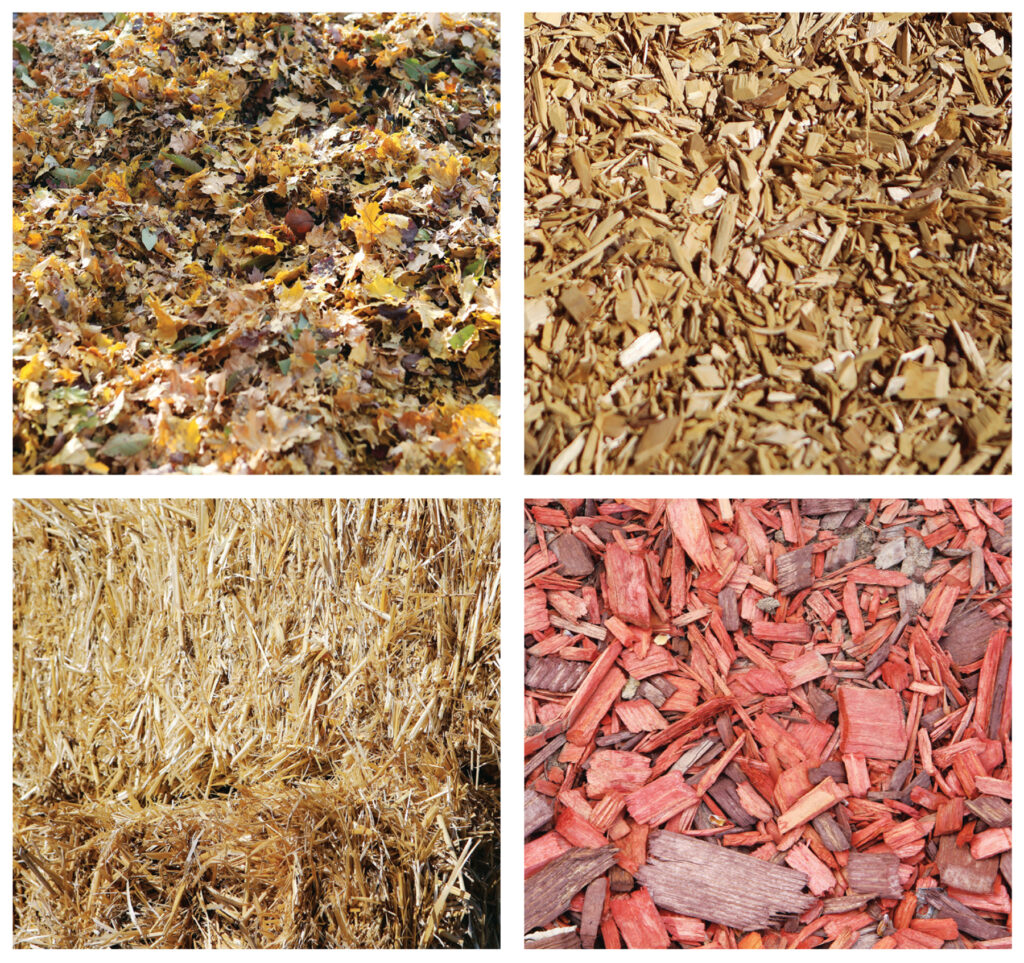
- Wood Chips or Shavings: These are readily available at most garden centers and can be used to create a layer up to 2-3 inches thick.
- Leaves: Leaf litter is another great option for mulching, as it’s free, rich in nutrients, and easy to apply.
- Straw: Straw is lightweight, porous, and can help retain moisture.
2. Inorganic Mulches
Inorganic mulches are non-biodegradable but offer some benefits that organic mulches don’t:
- Pine Straw: This type of straw is acid-free and won’t break down quickly.
- Landscape Fabric: While not a traditional mulch, landscape fabric can help suppress weeds by preventing light from reaching the soil.
Tips for Effective Mulching
To get the most out of your mulch, here are some tips to keep in mind:
1. Apply the Right Amount
The ideal amount of mulch depends on the type and application method. A general rule of thumb is to apply a 2-3 inch layer of mulch.
2. Keep it Even
Make sure to spread your mulch evenly, avoiding any bare spots where weeds can grow.
3. Replenish as Needed
Mulch breaks down over time, so be sure to replenish as needed to maintain its effectiveness.
Other Mulching Options
While wood chips and straw are popular choices for mulching, there are other options available:
- Pine Needles: These are acidic and can help lower the pH of your soil.
- Grass Clippings: Fresh grass clippings can be used as a mulch, but make sure to dry them out first to avoid attracting pests.
4. Potted Plants
Mulching for potted plants is slightly different:
- Use a Smaller Amount: Since the soil in pots is more compacted, use less mulch to avoid waterlogging.
- Choose a Breathable Material: Opt for materials that allow for good airflow, like pine straw or coconut coir.
5. Cold Protection
Mulching can also help protect plants from cold temperatures:
- Use a Thick Layer: Apply a thicker layer of mulch (4-6 inches) to insulate your plants.
- Add Insulation Materials: Mix in some insulation materials like foam board or straw bales for extra protection.
Frequently Asked Questions
Here are some common questions about mulching:
Q: How often should I replenish my mulch?
A: The frequency of replenishing your mulch depends on the type and application method. A general rule of thumb is to apply a new layer every 2-3 years.
Q: Can I use mulch with potted plants?
A: Yes, you can use mulch with potted plants! Just be sure to choose a breathable material that allows for good airflow.
Q: Is Mulching Effective Against Weeds?
A: Mulching is an effective way to suppress weed growth by blocking light and preventing seed germination.
Q: Can I compost my mulch?
A: Yes, you can compost your mulch! Simply mix it into the soil or add it to your compost pile.
Q: Is mulching a sustainable gardening practice?
A: Mulching is an environmentally friendly gardening practice that helps reduce waste and promotes soil health.
Q: Can I use plastic mulch?
A: While plastic mulch may seem convenient, it’s not recommended due to its non-biodegradable nature and potential impact on the environment.


