
The True Enemy: Panic. The ground begins to shake, and suddenly fear sets in, followed by panic. What should you do in these situations? Here are some small rules that might save your life.
Acting During an Earthquake at Home
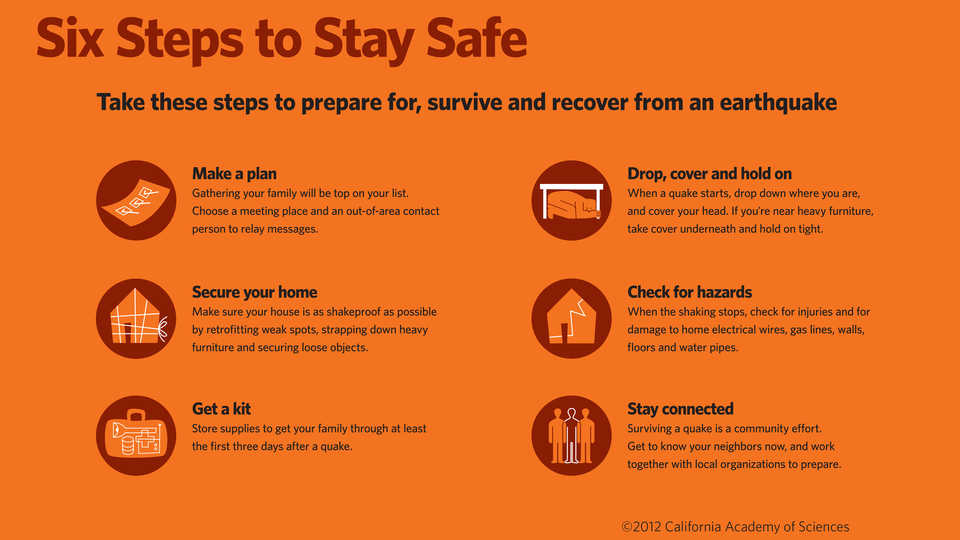
If you find yourself at home during an earthquake, it is crucial to seek shelter in a doorway inserted into a wall supporting the building or under a beam. This will protect you from potential collapses. The reason for this is that buildings are designed to withstand earthquakes by anchoring the walls and ceilings to the foundation. A doorway inserted into a wall can provide additional protection by distributing the force of the earthquake across a larger area, reducing the likelihood of collapse.
Avoid being near heavy furniture, objects, and glass that could fall on you. Heavy items such as bookshelves, televisions, and mirrors are particularly hazardous during an earthquake due to their size and weight. These items can easily become dislodged and fall, causing serious injury or death.
It’s also a good idea to take cover under a table or desk. Tables and desks can provide a relatively safe place to hide from falling objects and debris. However, make sure that the surface is sturdy enough to support your weight, as it may be wobbly or unstable during an earthquake.
If you’re unable to reach a doorway or a sturdy piece of furniture, crouch in a corner of the room with your feet together and your head down. This can help protect you from falling debris and reduce the risk of being hit by a collapsing wall or ceiling.
It’s recommended to exit your home with caution, wearing shoes, as streets may be hazardous due to broken glass and debris. If possible, try to avoid using stairs or elevators during an earthquake, as these structures are often weakened by the shaking and can collapse.
Acting During an Earthquake in a Car
If you’re driving during an earthquake, avoid stopping near bridges, landslides, or beaches: people and vehicles may be injured or swept away, and tsunamis could form. Tsunamis are massive waves that can cause widespread destruction and loss of life when they occur. They can also travel long distances without warning, making it difficult for drivers to predict their arrival.
Always keep your phone handy and know what to do before you get into the car. If you’re in a vehicle during an earthquake, pull over as quickly and safely as possible to avoid being struck by falling debris or swept away by a tsunami. Then, follow these steps:
- Stay inside the vehicle until it is safe to exit.
- Turn off your engine and engage the parking brake.
- Put on your seatbelt.
- Turn on your hazard lights.
- Wait for instructions from local authorities.
Acting During an Earthquake Outside
When outside, move away from buildings and power lines: they could collapse. Power lines can be damaged during an earthquake, causing electrocution or other hazards. Buildings are also at risk of collapsing, so it’s essential to stay away from them until the shaking has stopped.
Stay away from industrial facilities and power lines: accidents can occur when these structures are damaged or weakened by the earthquake.
Avoid wandering around in search of trouble; instead, find designated emergency shelters. These shelters have been designed to withstand earthquakes and can provide a safe place to wait for rescue teams to arrive.
It’s also essential to avoid using your phone or car until they’re repaired to prevent interference with rescue operations.
Useful Tips During an Earthquake
Learning about the seismic classification of your city before building a new home is crucial. This will help you understand the risks and take necessary precautions to prepare for earthquakes. The seismic classification system categorizes cities into different levels based on their earthquake risk, from low to high.
Find out which construction rules to follow, who to consult, and what emergency measures are in place. Building codes and regulations can vary depending on your location, so it’s essential to understand the specific requirements for your area.
Don’t forget to know where and how to turn off gas, water, and electrical appliances at home: these can be damaged during an earthquake. Turning off utilities can prevent fires or other hazards when you return home.
When furnishing your home, avoid placing heavy objects on high shelves or installing heavy furniture: they could fall on you. Heavy items such as bookshelves, televisions, and mirrors are particularly hazardous during an earthquake due to their size and weight.
Always keep a first-aid kit, flashlight, radio, fire extinguisher, and make sure everyone in the household knows where these are located. These essential supplies can help you respond to emergencies and stay safe until rescue teams arrive.
Acting After an Earthquake
Prioritize your safety by checking the people around you. Help those who need assistance and facilitate rescue operations.
Avoid moving injured people, as this could aggravate their condition. If someone is hurt during an earthquake, it’s essential to provide them with a safe place to rest until medical help arrives.
Exit with caution wearing shoes, as streets may be hazardous due to broken glass and debris. Avoid walking through damaged buildings or structures that could collapse.
Find a safe open space away from buildings and structures that could collapse. This can include parks, open fields, or other areas that are not prone to damage during an earthquake.
Frequently Asked Questions
Q: What should I do if I’m driving during an earthquake?
A: Avoid stopping near bridges, landslides, or beaches; keep your phone handy and follow local instructions before you get into the car. If you’re in a vehicle during an earthquake, pull over as quickly and safely as possible to avoid being struck by falling debris or swept away by a tsunami.
Q: How can I protect myself from falling objects at home?
A: Seek shelter in a doorway inserted into a wall supporting the building or under a beam. Avoid being near heavy furniture, objects, and glass that could fall on you.
Q: What should I do if I’m trapped after an earthquake?
A: Stay calm and wait for rescue teams to arrive. If possible, try to make yourself visible by using flashlights or flares.
Q: How can I prepare my home for earthquakes?
A: Learn about the seismic classification of your city before building a new home; follow construction rules, consult experts, and take necessary precautions.
Q: What should I do if I’m injured during an earthquake?
A: Stay calm and assess your injuries. If you’re seriously hurt, call emergency services immediately.
Q: How can I stay safe outside during an earthquake?
A: Move away from buildings and power lines; avoid industrial areas and power lines; and find designated emergency shelters.
Q: What should I do if my phone or car is damaged during an earthquake?
A: Avoid using these items until they’re repaired to prevent interference with rescue operations.
Q: Can earthquakes occur in dry regions?
A: Yes, earthquakes can happen anywhere. Be prepared for any situation by learning about the seismic risks in your area and taking necessary precautions.


