
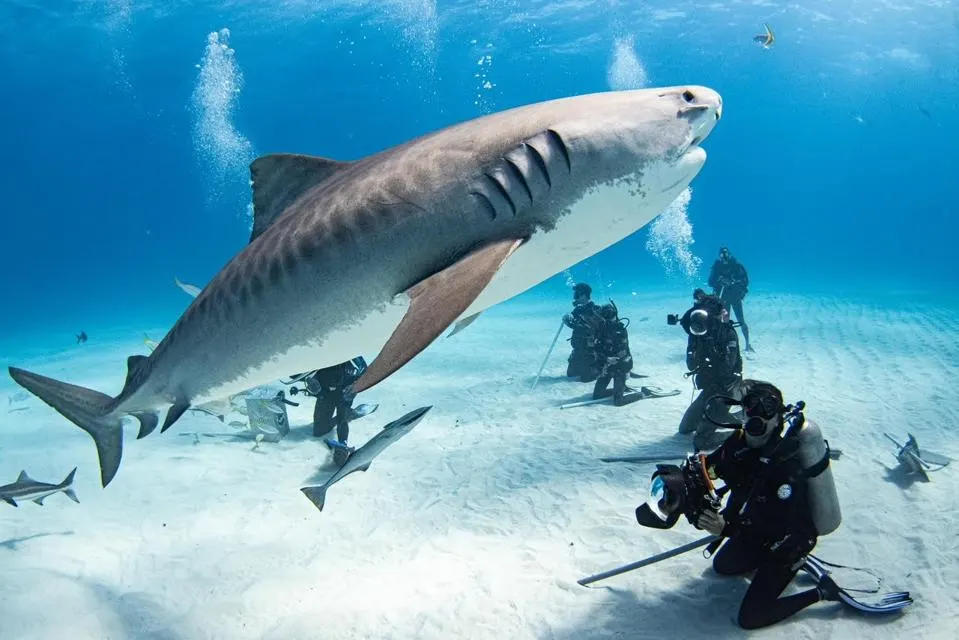
Shark cage diving has become a popular adventure sport for thrill-seekers and adrenaline junkies. However, as we delve deeper into this practice, it becomes clear that there are significant risks involved, not just for humans but also for sharks themselves. In this article, we’ll explore the dark side of shark cage diving, examining both the pros and cons of this activity.
Introduction
Imagine yourself in a metal cage, surrounded by thousands of pounds of water pressure, with nothing but a thin layer of metal separating you from the toothy jaws of a great white shark. Sounds like an adventure, right? For many, the thrill of getting up close and personal with these magnificent creatures is worth the risk. But what are the implications of this practice on both humans and sharks?
The Risks: Is Shark Cage Diving Really Worth It?
One major concern is the impact on shark behavior and ecology. When sharks are fed artificially by divers, it can alter their natural feeding patterns and potentially disrupt entire ecosystems. This practice has been observed in various locations around the world, including Florida, where studies have shown that artificial feeding can lead to increased aggression towards humans.
Another significant risk associated with shark cage diving is the potential for injury or death. While attacks on humans are rare, they do occur, and the consequences can be devastating. In 2019, a group of divers in South Africa were involved in a tragic incident when one of the sharks breached the cage, resulting in serious injuries to two of the participants.
Furthermore, shark cage diving can also have negative impacts on local ecosystems. When sharks are removed from their natural habitat, it can disrupt the delicate balance of these ecosystems, leading to unintended consequences for other marine life.
The Correlation between Shark Cage Diving and Attacks
Studies have shown a disturbing correlation between the rise of shark cage diving and an increase in attacks on humans. In South Africa, where shark cage diving is a popular activity, there has been a significant increase in reported incidents over the past decade. While it’s essential to note that this relationship is not yet fully understood, it raises serious questions about the ethics of shark tourism.
One study published in the Journal of Marine Biological Association found that between 2000 and 2015, there was a significant increase in shark attacks off the coast of South Africa, coinciding with the rise of shark cage diving. The researchers concluded that “the growth of the shark cage diving industry may be contributing to an increased risk of shark attacks on humans.”
The Positives: How Shark Cage Diving Can Actually Help
Despite the risks, shark cage diving can also have a positive impact on conservation efforts. In South Africa, for example, the great white shark has become an iconic symbol of the country’s natural heritage. By promoting responsible tourism and education about these magnificent creatures, shark cage diving can actually help to reduce human-shark conflict.
The Shark Trust in the UK, a leading organization dedicated to shark conservation, acknowledges that shark tourism can be a valuable tool for raising awareness about the importance of protecting sharks and their habitats. “Shark tourism can provide an opportunity to engage with sharks in a responsible way,” says Chris Parsons, director of the Shark Trust. “However, it’s essential that this activity is done in a controlled environment with minimal impact on shark behavior.”
The Future of Shark Cage Diving
As research continues to emerge and public awareness grows, we can expect to see changes in the way shark cage diving is approached – both for better or worse. In some locations, regulations are being put in place to restrict or even ban this activity.
In Australia, for example, the government has introduced new laws to protect sharks and their habitats. The regulations aim to reduce human-shark conflict by limiting the number of divers allowed to interact with great whites in the wild.
Conclusion
Shark cage diving is a complex and multifaceted issue, with both pro and con arguments on offer. While some may argue that shark tourism has its place in the world of eco-tourism, others see it as a recipe for disaster. As we weigh the risks and rewards, it’s essential to consider the broader implications for shark conservation and human safety.
Frequently Asked Questions
- Is shark cage diving really worth the risk?
While some people swear by this activity, the risks are real and should not be taken lightly. The potential consequences of injury or death can be devastating, and it’s essential to carefully consider these factors before deciding whether to participate. - Can shark cage diving actually help with conservation efforts?
Yes, when done responsibly, shark tourism can promote education and raise awareness about the importance of protecting these magnificent creatures. However, this must be balanced against the risks associated with artificial feeding and potential disruptions to natural ecosystems. - Is there a correlation between shark cage diving and attacks on humans?
While some studies suggest a link, more research is needed to fully understand this relationship. It’s essential to approach this issue with caution and consider multiple perspectives before drawing conclusions. - What’s being done to regulate shark cage diving?
Regulations vary by country, but most places have laws in place to ensure the welfare of both divers and sharks. As research continues to emerge, we can expect to see changes in the way this activity is approached – both for better or worse. - Can I find alternative ways to see sharks without putting myself at risk?
Absolutely! Options like snorkeling or scuba diving with great whites in their natural habitat can be just as exhilarating without the risks associated with cage diving. There are many ways to experience these incredible creatures without sacrificing your safety.
Additional Information
- The International Shark Attack File, maintained by the Florida Museum of Natural History, reports an average of 80-100 shark attacks globally each year.
- According to a study published in the Journal of Marine Biological Association, the probability of being attacked by a great white shark is less than 1 in 3.7 million.
- The Shark Trust estimates that over 500 sharks are killed annually due to shark cage diving and other forms of exploitation.
As we move forward, it’s essential to approach this issue with caution and consider multiple perspectives before drawing conclusions. By doing so, we can work towards a future where both humans and sharks can coexist safely and responsibly.


