
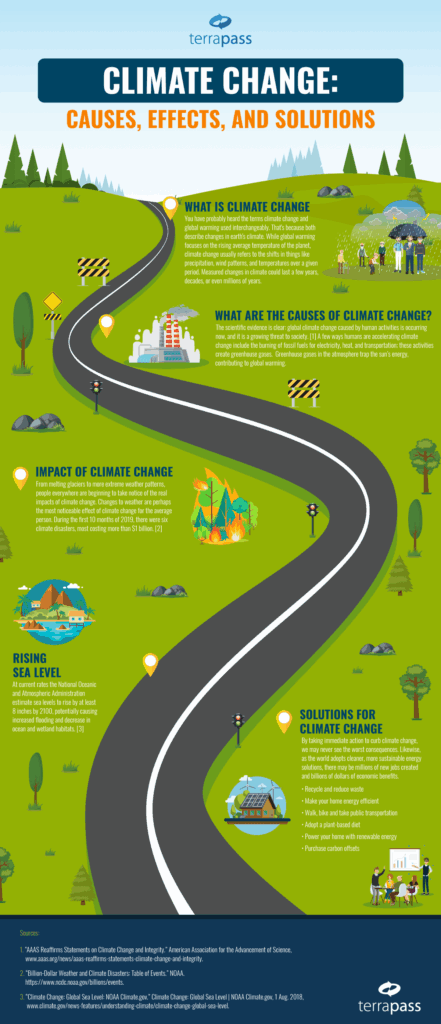
As the world grapples with the challenges of climate change, it’s essential to understand the effects of rising temperatures and the solutions that can help mitigate its impact. In this article, we’ll delve into the consequences of climate change, explore the latest research on the topic, and discuss practical strategies for reducing greenhouse gas emissions.
The Uncertainty Principle: Can We Trust the 2°C Target?
Researchers from the University of Copenhagen have published a study in the Proceedings of the National Academy of Sciences, suggesting that even if the global temperature doesn’t exceed 2°C above pre-industrial levels, climate change effects may still occur. This has left many wondering whether the 2°C target is a realistic benchmark.
The study’s lead author, Aslak Grinsted, notes that the current understanding of climate change is based on a limited number of models and data points. While these projections provide valuable insights, they also highlight the complexity and uncertainty surrounding climate change predictions.
The Reality of Climate Change: A Growing Concern
Studies have shown that the frequency of extreme weather events, such as hurricanes and floods, is increasing due to climate change. For instance, the University of Copenhagen’s model projections indicate a 3-4 fold increase in these events. Aslak Grinsted further notes that climate change has already begun to manifest its effects: the warming trend over the past century has doubled the frequency of extreme weather events like Hurricane Katrina.
This growing concern is not limited to the United States; other countries, such as Australia and China, are also experiencing increased instances of severe weather. The impact on human health, economic stability, and social justice cannot be overstated.
The Greenhouse Effect and Climate Change
The greenhouse effect is a natural process that warms the planet. However, human activities such as burning fossil fuels and deforestation have led to an increase in greenhouse gas emissions, amplifying the effect. To mitigate climate change, we must reduce these emissions by adopting low-carbon policies.
One of the primary contributors to greenhouse gas emissions is the production and transportation of goods. As the world becomes increasingly interconnected, the demand for goods increases, leading to higher emissions. To address this issue, we can explore alternative modes of transportation, such as electric or hybrid vehicles, and implement more efficient supply chains.
The Cost of Inaction: Why We Need Sustainable Solutions
Unfortunately, our economic systems often perpetuate the status quo. The current pace of emissions will continue to worsen the situation unless we adopt sustainable practices. This requires investing in renewable energy sources and reducing consumption. By making conscious choices, individuals and organizations can contribute to a low-carbon economy.
The cost of inaction is substantial; climate change is projected to have severe impacts on global food security, economic stability, and human health. In fact, the Intergovernmental Panel on Climate Change (IPCC) estimates that the global economy will face significant losses if we fail to address climate change.
The Link Between Economic Growth and Environmental Protection
Contrary to common misconceptions, it’s possible to achieve economic growth while protecting the environment. By embracing innovation and sustainability, we can create a better future for all. For instance, switching to electric vehicles is a simple yet effective step towards decarbonization – a key strategy in reducing greenhouse gas emissions.
In fact, studies have shown that countries with strong environmental regulations tend to experience higher economic growth rates than those without such policies. This suggests that environmental protection can be a catalyst for sustainable economic development.
Conclusion: The Path Forward
The consequences of climate change are far-reaching and devastating. To address this crisis, we must prioritize sustainable solutions and reduce our reliance on fossil fuels. By working together, individuals, organizations, and governments can create a low-carbon future.
Frequently Asked Questions (FAQs)
Q: What is the 2°C target, and why is it important?
A: The 2°C target refers to a global temperature increase of no more than 2°C above pre-industrial levels. It’s essential because exceeding this threshold could lead to catastrophic climate change effects.
Q: How can I contribute to reducing greenhouse gas emissions?
A: There are many ways to make a difference, such as using public transport, carpooling, or driving electric vehicles. You can also support companies that prioritize sustainability and invest in renewable energy sources.
Q: What is decarbonization, and how can it help mitigate climate change?
A: Decarbonization refers to the process of reducing greenhouse gas emissions from various sectors, including energy production and consumption. By adopting decarbonized practices, we can significantly reduce our carbon footprint.
Q: Can technology alone solve the climate crisis?
A: While technology plays a crucial role in addressing climate change, it’s not enough on its own. We need systemic changes to our economic systems and societies to create a low-carbon future.
Q: How can governments support sustainable development and reduce emissions?
A: Governments can implement policies that promote renewable energy production, increase energy efficiency, and encourage sustainable land use practices.
Q: What role can individuals play in mitigating climate change?
A: Individuals have the power to make conscious choices about their daily habits and consumption. By making small changes, such as reducing meat consumption or using public transport, we can collectively contribute to a low-carbon future.
Q: Can we afford not to act on climate change?
A: The economic costs of inaction far outweigh the benefits of taking proactive measures. Climate change has severe consequences for human health, economic stability, and social justice – it’s essential that we address this crisis head-on.
Q: How can we ensure a smooth transition to a low-carbon economy?
A: A phased approach, focusing on key sectors such as energy production and transportation, is crucial. Governments and companies must work together to develop and implement policies that support sustainable development.
Q: What are the most effective strategies for reducing greenhouse gas emissions?
A: A combination of renewable energy production, energy efficiency measures, and sustainable land use practices can significantly reduce emissions. By prioritizing these strategies, we can mitigate climate change effects and create a better future.
Case Studies: Real-World Solutions to Climate Change
The City of Copenhagen’s Renewable Energy Plan
Copenhagen has set an ambitious target to become carbon neutral by 2025. The city aims to achieve this goal through a comprehensive plan that includes increasing energy efficiency, promoting renewable energy production, and reducing waste.
This plan is exemplary in its approach, demonstrating how local governments can take proactive steps towards sustainability. Copenhagen’s commitment to renewable energy has not only reduced greenhouse gas emissions but also created jobs and stimulated economic growth.
The Transition to Electric Vehicles in Norway
Norway has implemented a pioneering program to transition its transportation sector from fossil fuels to electric vehicles. By providing incentives for purchasing electric cars, the Norwegian government has significantly increased the adoption rate of these vehicles.
This initiative highlights the potential for governments to drive change through policy and regulation. By investing in renewable energy sources, reducing emissions, and promoting sustainable practices, we can create a low-carbon future that benefits all.
Conclusion: The Path Forward
The consequences of climate change are far-reaching and devastating. To address this crisis, we must prioritize sustainable solutions and reduce our reliance on fossil fuels. By working together, individuals, organizations, and governments can create a low-carbon future.
In conclusion, the effects of climate change are undeniable, but so is our ability to make a difference. By adopting low-carbon policies, reducing consumption, and investing in renewable energy sources, we can mitigate its impact and create a better future for all.


