
Are you tired of dealing with unwanted glass anemones (Aiptasia) in your marine aquarium? This article aims to provide a comprehensive guide on how to eliminate these pesky creatures, using a variety of methods and products.
Understanding Aiptasia
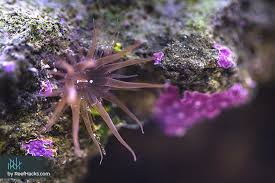
Glass anemones are a type of anthozoan that can propagate on rocks and substrate. They can be introduced into your aquarium accidentally when purchasing corals or rocks. There are several species of Aiptasia, some of which are invasive and can cause problems in your aquarium. The glass anemone has the shape of a polyp, with a disc base from which tentacles protrude.
Why Manual Removal is Difficult
Manual removal of Aiptasia is not recommended as it can lead to further infestation. Any mechanical intervention can also damage the substrate and surrounding organisms. Therefore, it’s crucial to use alternative methods for eradication.
Recognizing the Signs of Infestation
You may notice small white or yellowish spots on your corals or rocks, which are actually Aiptasia larvae or adult anemones. As they grow, they can multiply quickly and cause damage to your aquarium. If you touch an Aiptasia, you may experience a minor sting or skin irritation.
The Reproduction Cycle of Aiptasia
Aiptasia can reproduce both sexually and asexually. In an aquarium setting, most infestations occur due to the accidental introduction of larvae through rocks or corals. When a small segment is separated from the disc base, it can grow into a new polyp.
Using Predators to Control Aiptasia
Fortunately, there are natural predators that can help control Aiptasia populations in your aquarium. Two popular options are:
- Lysmata Wurdemanni (Glass Anemone Eater): This shrimp is an excellent predator of Aiptasia and can be purchased from reputable suppliers.
- Chelmon Rostratus (Threadfin Butterflyfish): While not exclusively a predator of Aiptasia, this fish can feed on these creatures.
Using Predators for Effective Control
Both Lysmata wurdemanni and Chelmon rostratus are effective predators in controlling Aiptasia populations. However, their use may be limited by the size and number of anemones present. In such cases, using a combination of both methods can prove to be more effective.
The Role of Predators in Aquarium Maintenance
While these predators play a crucial role in maintaining aquarium balance and preventing algae growth, they must also receive proper care and feeding. This includes providing them with suitable food sources and suitable living conditions.
Product-Based Solutions: Effective Alternatives to Predators
If you’re having trouble finding or managing natural predators for your aquarium, there are various products available on the market that can help control Aiptasia populations. These include:
- Red Sea Aiptasia X: This product is specifically designed to target and eliminate glass anemones in an aquarium.
Using Red Sea Aiptasia X
This product is applied directly onto the affected areas using a syringe, taking care not to touch or damage surrounding organisms. It’s recommended to use this method when dealing with larger infestations.
By understanding the signs of infestation and employing effective control methods, you can effectively eliminate glass anemones from your marine aquarium.
Frequently Asked Questions
- Can Aiptasia be eradicated completely?
- While it’s challenging to eliminate all anemones, using a combination of predators, products, and proper aquarium maintenance can significantly reduce their populations.
- How often should I feed my Lysmata Wurdemanni or Chelmon Rostratus?
- These predators have specific dietary requirements; ensure you provide them with suitable food sources to maintain their health.
- Can Aiptasia cause harm to corals and other aquarium inhabitants?
- Yes, Aiptasia can cause damage to corals and other invertebrates by consuming nutrients and tissues.
- How long does it take for Lysmata Wurdemanni or Chelmon Rostratus to eliminate Aiptasia?
- The effectiveness of these predators depends on the size and number of anemones present; multiple treatments may be required for optimal results.
Maintaining a healthy aquarium ecosystem requires regular monitoring, maintenance, and attention to potential problems such as infestations. By being proactive and employing effective control methods, you can enjoy a thriving and balanced marine environment.
In addition to these methods, there are several preventative measures that can help reduce the likelihood of an Aiptasia infestation in your aquarium:
- Regularly inspecting your aquarium for signs of Aiptasia
- Quarantining new additions to ensure they’re free from pests before introducing them to your main tank
- Ensuring proper water circulation and oxygenation
- Maintaining optimal water parameters
By understanding the causes and consequences of Aiptasia infestations, you can take steps to prevent them from occurring in the future. With patience, persistence, and the right techniques, you can enjoy a healthy and thriving marine aquarium.
Conclusion
Removing Aiptasia from your marine aquarium requires a comprehensive approach that incorporates both natural predators and product-based solutions. By understanding the signs of infestation, employing effective control methods, and maintaining regular aquarium maintenance, you can effectively eliminate these pesky creatures and enjoy a thriving and balanced environment.
Always be on the lookout for new methods and products to help control Aiptasia populations in your aquarium. Stay up-to-date with the latest research and advancements in marine aquarium management, and never hesitate to seek advice from experienced aquarists or professionals if needed.


