
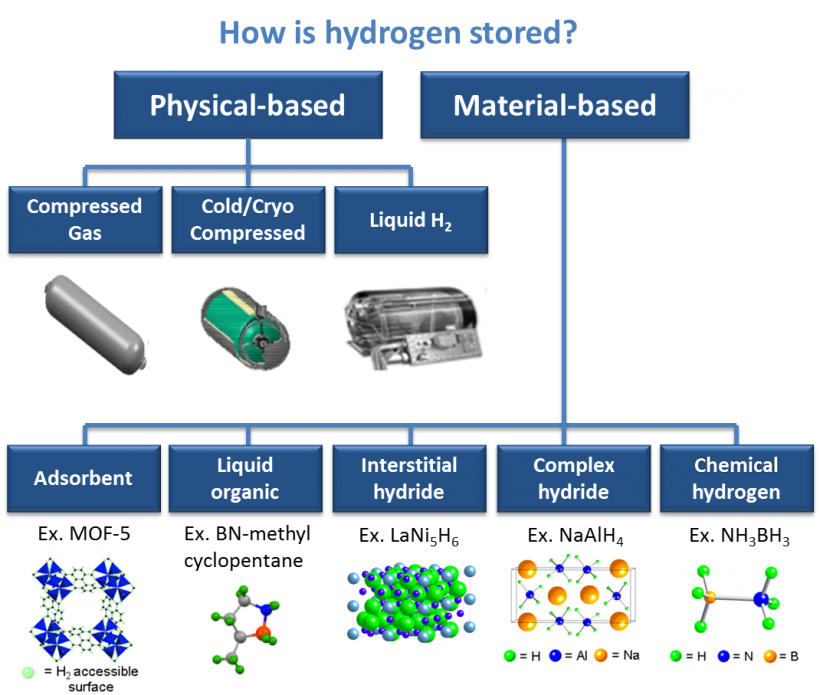
The world of hydrogen is not just a utopia, but a reality that holds immense potential for clean energy. As we explore the possibilities of hydrogen as a source of energy, it’s essential to discuss ways to store this precious gas. The production and storage of hydrogen are crucial components in the transition to a low-carbon economy.
The challenges associated with storing hydrogen are numerous:
- Developing an economical method for producing hydrogen
- Creating practical systems for storing and distributing hydrogen
In this article, we’ll delve into various methods of hydrogen storage, exploring their potential and limitations. We’ll examine ways to store hydrogen in its gas form, using metals, carbon nanotubes, and chemical reactions. Additionally, we’ll discuss the island nation of Iceland’s pioneering approach to hydrogen fuel cell technology.
Storing Hydrogen in its Gas Form
One simple method for storing hydrogen is to store it in its gaseous form at moderate pressures. However, this solution has its limitations: storing hydrogen gas would require occupying large volumes, making fueling stations impractical.
Another approach is to store hydrogen in its liquid form, but this requires extreme pressures and specialized equipment, making it costly and unsafe. The storage of liquid hydrogen poses several challenges:
- It requires high-pressure containers or cryogenic temperatures.
- Liquid hydrogen is highly flammable, posing safety risks.
- The production process for liquid hydrogen is energy-intensive and expensive.
Storing Hydrogen with Metals
Several metals and metal alloys can reversibly absorb large amounts of hydrogen. By using these materials, we can store hydrogen through a process that leverages their unique properties. For example:
- Palladium can absorb hydrogen at a rate 935 times its volume.
- Carbon nanotubes can hold approximately 4.2% of the material’s weight in hydrogen.
The stored hydrogen can be released and reabsorbed multiple times, making this method promising for energy storage. This approach also offers advantages in terms of safety and cost-effectiveness:
- Reversible absorption and desorption reduce the need for specialized equipment.
- Lower pressure requirements make fueling stations more practical.
- Metal alloys can be recycled and reused, reducing waste.
Storing Hydrogen with Nanotube Carbon
Carbon nanotubes have a unique ability to absorb hydrogen at ambient temperatures and pressures. This property makes them an attractive option for storing hydrogen efficiently.
Another method of hydrogen storage involves chemical reactions, such as the reaction between NaAlH4 (sodium aluminum hydride) and heat, which releases hydrogen gas. The reactivity can be reversed by adding pressure:
2 NaAlH4 (solid) → 2 NaH + 2 Al (solid) + 3 H2 (six hydrogen gases are released)
This approach offers several benefits, including:
- High efficiency in terms of hydrogen storage and release.
- Ambient temperature operation, reducing the need for specialized equipment.
- Easy reversibility, making it suitable for repeated use.
Island of Hydrogen: A Success Story
The island nation of Iceland has made significant investments in hydrogen and is now a hub for fuel cell technology. The country uses geothermal energy to produce hydrogen, which is then used to power vehicles.
In fact, Iceland’s roads are filled with electric vehicles running on hydrogen fuel cells. This unique approach showcases the potential for hydrogen storage and its role in sustainable energy solutions. By leveraging Iceland’s abundant geothermal resources, the country has developed a self-sufficient hydrogen production system:
- Geothermal energy is used to produce hydrogen through electrolysis.
- The resulting hydrogen gas is stored and transported to fuel cell vehicles.
Iceland’s success demonstrates the potential for hydrogen storage to play a significant role in sustainable energy solutions. By exploring innovative methods of hydrogen storage, we can unlock the full potential of this clean energy source.
Conclusion
The world of hydrogen storage holds immense promise, but it requires overcoming practical challenges and leveraging innovative technologies. By exploring methods such as storing hydrogen in gas or liquid form, using metals, carbon nanotubes, and chemical reactions, we can unlock the full potential of this clean energy source.
As we move forward, understanding the intricacies of hydrogen storage will be crucial for creating a sustainable future. Governments, industries, and individuals must work together to develop efficient and cost-effective methods of hydrogen storage.
FAQs
-
What are the primary challenges to hydrogen production?
The main obstacles to widespread hydrogen production are developing economical methods and reducing costs. Current production methods involve energy-intensive processes such as steam methane reforming or electrolysis, which can be expensive and inefficient. -
How can hydrogen storage improve the environment?
By storing hydrogen efficiently, we can reduce greenhouse gas emissions associated with energy production and transportation. This is particularly important in industries such as transportation and power generation, where fossil fuels are still dominant. -
Can hydrogen be stored in its liquid form at room temperature?
Currently, it is not feasible to store hydrogen in its liquid state at room temperature without extreme pressures or specialized equipment. Liquid hydrogen requires high-pressure containers or cryogenic temperatures, making it costly and unsafe. -
What makes carbon nanotubes useful for hydrogen storage?
Their high surface area allows them to absorb and release large amounts of hydrogen efficiently. Carbon nanotubes can hold approximately 4.2% of the material’s weight in hydrogen, making them an attractive option for energy applications. -
How do metal alloys store hydrogen?
Reversible absorption and desorption allow these materials to store hydrogen, which can then be released as needed. Metal alloys can also be recycled and reused, reducing waste and costs associated with fueling stations. -
Can hydrogen be used in vehicles without fuel cells?
Researchers are exploring alternative methods for hydrogen storage, such as using sodium aluminum hydride (NaAlH4) or other chemical reactions. While these alternatives have potential, they still require further development to become commercially viable. -
What role does Iceland play in the global hydrogen market?
The island nation has invested heavily in hydrogen and is a leader in fuel cell technology, showcasing its potential for sustainable energy solutions. Iceland’s success demonstrates the feasibility of large-scale hydrogen production and storage. -
What are the benefits of storing hydrogen in nanotube carbon?
This method offers high efficiency in terms of hydrogen storage and release, ambient temperature operation, and easy reversibility, making it an attractive option for energy applications. By leveraging the unique properties of nanotube carbon, we can create more efficient and cost-effective methods of hydrogen storage.
By exploring these questions and understanding the intricacies of hydrogen storage, we can unlock the full potential of this clean energy source.


