
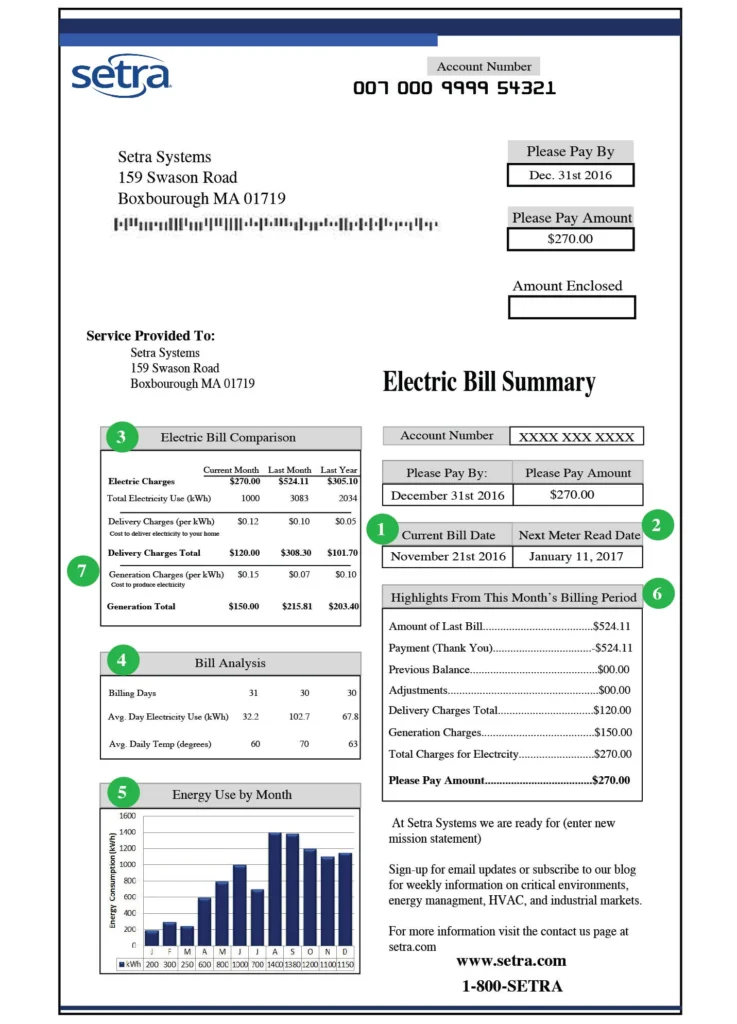
Understanding Your Electricity Bill: A Breakdown of the Charges
Reading your electricity bill can be a daunting task, especially when it comes to understanding the various charges and how they add up. The document presented by energy providers appears to be designed to confuse, but there’s more to it than just being complex for its own sake.
The Complexity of Electricity Bills
What makes electricity bills so complicated is that multiple voices and parameters come into play, making it challenging to isolate the original cost of the energy. This issue isn’t unique to energy providers; similar complexities can be found in other industries, such as transportation and manufacturing.
When it comes to understanding your electricity bill, let’s focus on the five primary components: sales, transportation, dispatching, system charges, and taxes.
Sales
The largest portion of your electricity bill, accounting for approximately 63%, is the sale price. This reflects the cost of acquiring energy from power plants. The sale price varies based on the wholesale market price of fuels used to generate electricity. As energy providers have shifted towards renewable sources, these prices can fluctuate significantly.
For instance, if you live in a region with a high proportion of wind power, your sale price may be lower compared to areas with more fossil fuel-based plants. This is because wind energy is generally cheaper than traditional fuels.
Transportation
The transportation component, making up about 9% of your bill, involves three sub-factors: transmission, measurement, and distribution. Transmission costs cover the cost of transmitting energy across the national grid. Measurement costs include installation and maintenance fees for smart meters as well as the cost of monitoring and recording energy usage.
Distribution costs are responsible for delivering electricity directly to your home or business. This includes the cost of maintaining the physical infrastructure, such as power lines and substations.
Dispatching
This component accounts for around 15% and is essentially the management of energy flow on the grid, which cannot be stored like gas. The dispatching charge reflects the operational expenses incurred by Terna in managing real-time energy distribution.
For example, if there’s a sudden surge in demand due to an unexpected event or weather condition, dispatchers must work to adjust energy allocation and maintain stability within the grid. This can result in higher costs for customers who rely on electricity during these periods.
System Charges
As the name suggests, system charges refer to costs related to maintaining the overall efficiency of the electricity supply chain, including financing nuclear waste disposal, funding renewable energy projects, research and development, compensating power companies for losses during free market transactions, and aiding low-income households with discounted rates. These charges are set by regulatory bodies and can be complex.
In many countries, system charges play a vital role in supporting the transition towards cleaner energy sources and ensuring that all consumers have access to affordable electricity. By understanding these charges, you can better appreciate the efforts being made to create a more sustainable energy future.
Taxes
Lastly, we have taxes, comprising both a national tax (VAT) and an additional consumption tax (ACI). The VAT is levied on the total bill amount and includes another consumption tax that only applies to domestic customers up to 1800 kWh.
For example, if your monthly energy usage exceeds 1800 kWh, you may be subject to both VAT and ACI. This can result in higher taxes being added to your electricity bill, which might impact your overall budget.
Key Considerations
When reviewing your electricity bill, consider the following:
- Identify the primary components: Break down your bill into sales, transportation, dispatching, system charges, and taxes.
- Research rates: Look up wholesale market prices of fuels to better understand how they impact your sale price.
- Consult experts: Reach out to energy providers or consulting firms if you’re unsure about specific charges.
Tips for Simplifying Your Electricity Bill
- Track your energy usage: Monitoring your consumption patterns can help you identify areas where you might be able to reduce waste and save money.
- Adjust your thermostat: Lowering your home’s temperature during winter or raising it in summer can lead to lower heating and cooling bills.
- Switch to efficient appliances: Investing in energy-efficient appliances can help minimize your electricity consumption over time.
By taking the time to comprehend your electricity bill’s complexities, you’ll be better equipped to navigate the often-overwhelming world of energy pricing. By doing so, you can make informed decisions about your energy usage and budgeting for future expenses.


