
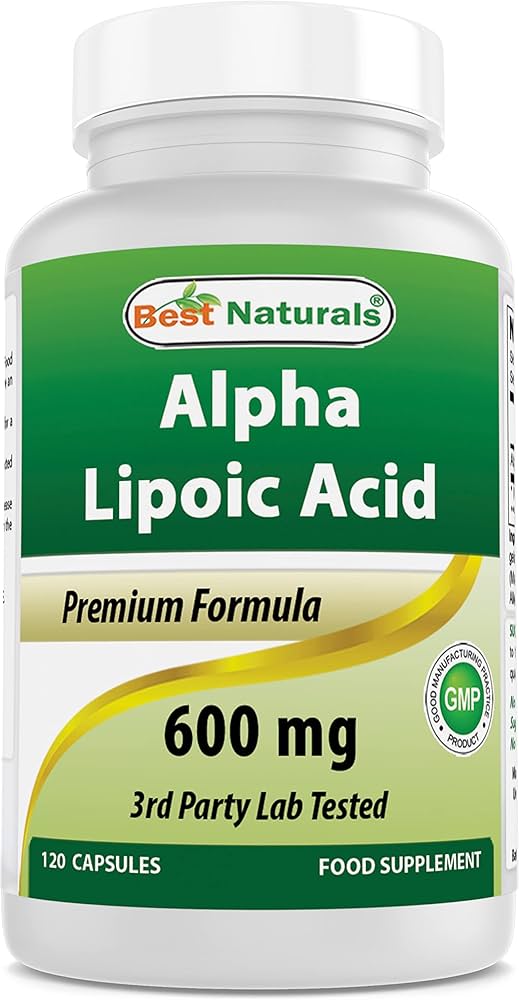
What is Alpha Lipoic Acid?
Alpha lipoic acid (ALA) is a naturally occurring compound found in certain meats, particularly red meat and organs like liver and kidney. It’s also present in various vegetables, including potatoes, broccoli, and spinach.
Health Benefits of Alpha Lipoic Acid
But why should you care about alpha lipoic acid? For one, it has been extensively studied for its potential benefits in managing diabetes-related conditions, such as neuropathy. Additionally, ALA has shown promise in combating oxidative stress and inflammation, making it a promising addition to your health regimen.
What Does Alpha Lipoic Acid Do?
So, what exactly does alpha lipoic acid do? Here are some of its key properties:
- Antioxidant Activity: ALA protects the body from free radicals, which can cause oxidative stress and damage to cells.
- Anti-inflammatory Effects: By reducing inflammation, ALA may help alleviate conditions such as arthritis, acne, and other inflammatory diseases.
- Metabolic Optimizer: ALA helps optimize glucose metabolism, which can lead to improved insulin sensitivity and reduced blood sugar levels.
- Muscle Protection: ALA’s antioxidant properties also extend to muscle tissue, helping protect against damage caused by free radicals.
Food Sources of Alpha Lipoic Acid
While you may not be able to get enough alpha lipoic acid from your diet alone, there are some food sources that can provide a boost:
- Red Meat: Organ meats like liver and kidney are rich in ALA.
- Leafy Greens: Spinach, broccoli, and other leafy greens contain smaller amounts of ALA.
- Potatoes: Potatoes, especially sweet potatoes, are a good source of ALA.
Alpha Lipoic Acid Supplements
If you’re having trouble getting enough alpha lipoic acid from your diet or want to supplement your existing intake, there are many supplements available:
- Capsules: Available in capsule form, these can be taken orally.
- Powder: Alpha lipoic acid powder can be added to smoothies or other beverages.
Side Effects and Interactions
While alpha lipoic acid is generally well-tolerated, there are some potential side effects and interactions to be aware of:
- Hypoglycemia: High doses of ALA may cause blood sugar levels to drop.
- Allergic Reactions: Rare cases of allergic reactions have been reported.
- Interference with Medication: Alpha lipoic acid may interact with certain medications, such as diabetes medications.
Alpha Lipoic Acid and Anti-Aging
ALA’s antioxidant properties make it a popular ingredient in anti-aging products. While its effects on skin aging are still being studied, some research suggests that ALA can help reduce fine lines and wrinkles by protecting the skin from damage caused by free radicals.
Alpha Lipoic Acid and Weight Loss
Some studies suggest that alpha lipoic acid may aid in weight loss by increasing insulin sensitivity and fat burning. However, more research is needed to confirm its effectiveness.
Frequently Asked Questions (FAQs)
Q: What is alpha lipoic acid?
A: Alpha lipoic acid is a naturally occurring compound found in certain foods and available as a dietary supplement.
Q: How does alpha lipoic acid work?
A: ALA has antioxidant, anti-inflammatory, and metabolic-optimizing properties, which can help reduce oxidative stress, inflammation, and improve insulin sensitivity.
Q: What are the benefits of alpha lipoic acid?
A: Alpha lipoic acid may help manage diabetes-related conditions, combat oxidative stress, reduce inflammation, optimize glucose metabolism, and protect against muscle damage.
Q: Can I get enough alpha lipoic acid from my diet?
A: While some foods contain alpha lipoic acid, it’s often difficult to get enough from your diet alone. Supplements can help bridge the gap.
Q: What are the potential side effects of alpha lipoic acid?
A: Rare cases of hypoglycemia, allergic reactions, and interactions with certain medications have been reported.
Research on Alpha Lipoic Acid
Studies have shown that alpha lipoic acid has various health benefits. Some research highlights its potential in managing:
- Neuropathy: ALA may help reduce neuropathic pain and numbness.
- Cognitive Function: Some studies suggest that ALA may improve cognitive function in individuals with Alzheimer’s disease or other neurodegenerative disorders.
- Heart Health: Alpha lipoic acid may help lower cholesterol levels and blood pressure, reducing the risk of cardiovascular disease.
How to Take Alpha Lipoic Acid
When taking alpha lipoic acid supplements, consider the following:
- Dosage: Typical dosages range from 300-1200 mg per day.
- Duration: For optimal results, take ALA for at least 2-4 weeks before reassessing your health status.
- Combination Therapy: Some studies suggest that combining alpha lipoic acid with other supplements, such as vitamin D or CoQ10, may enhance its effects.
Conclusion
Alpha lipoic acid is a versatile compound with various health benefits. Its antioxidant, anti-inflammatory, and metabolic-optimizing properties make it an attractive addition to your health regimen. While more research is needed to confirm its effectiveness in certain areas, alpha lipoic acid has shown promise in managing diabetes-related conditions, combating oxidative stress, and improving overall well-being. By incorporating ALA into your diet or supplement routine, you may be able to unlock its full potential and enhance your quality of life.


