
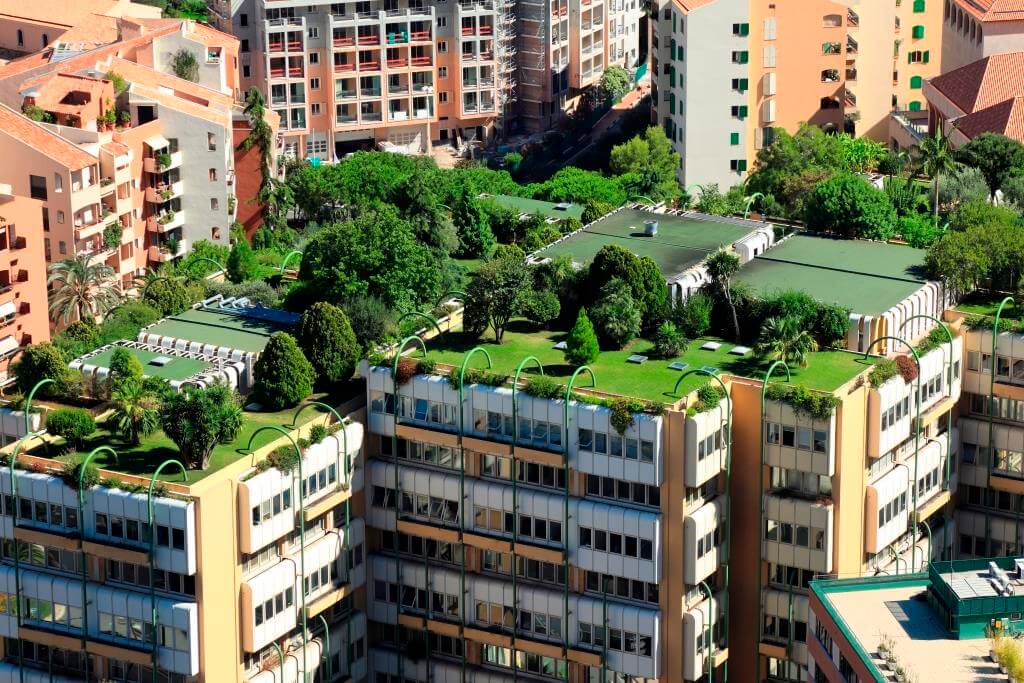
As we go about our daily lives, it becomes increasingly clear that something is amiss with the climate. We feel the effects of rising temperatures and changing weather patterns, and we begin to realize that we need to make a change. One way to do this is by incorporating more greenery into our urban landscapes. This doesn’t mean tearing down cities, but rather transforming them through the use of green roofs.
What are Green Roofs?
Green roofs are not just a figure of speech; they’re actually covered in vegetation that can be installed on top of buildings. These eco-friendly structures have become increasingly popular as architects and city planners look for ways to reduce their carbon footprint. Cities like Bolzano are already making great strides in this area, with entire neighborhoods transformed by the use of green roofs.
Benefits of Green Roofs
While installing a green roof may not be cheap, it’s clear that it has numerous benefits. For one, it helps retain rainwater, which reduces stormwater runoff and alleviates pressure on city infrastructure. Additionally, green roofs can improve local microclimates, reducing temperature fluctuations and making living spaces more livable.
The Environmental Impact
But the benefits of green roofs go beyond just aesthetics. By incorporating vegetation into our urban landscapes, we’re not only reducing the amount of greenhouse gases produced by cities but also mitigating the effects of climate change. Green roofs can even help regulate air quality by absorbing pollutants and particulate matter.
Increased Property Value
Another often-overlooked benefit of green roofs is their impact on property values. In areas where green roofs are already being implemented, real estate prices tend to increase as a result of the improved aesthetic appeal and environmental benefits.
How Green Roofs Work
So how do green roofs work? They can be either extensive or intensive. Extensive green roofs feature low-maintenance plants like sedum and succulents that don’t require frequent watering. Intensive green roofs, on the other hand, are designed to mimic a garden, complete with trees, flowers, and even small agricultural plots.
Cost of Green Roofs
The cost of installing a green roof can vary widely depending on the size and scope of the project. However, it’s worth noting that extensive green roofs tend to be more affordable than intensive ones, with prices ranging from $30 per square foot for smaller installations to upwards of $100 per square foot for larger projects.
Maintenance Costs
While the initial installation costs may seem daunting, maintenance costs are relatively low once a green roof is up and running. Regular pruning, mulching, and pest control can help keep the vegetation healthy and thriving, reducing the need for costly repairs down the line.
Transforming Cityscapes
In recent years, cities have begun to take notice of the benefits of green roofs. As urban populations continue to grow, it’s essential that we find ways to make our cities more sustainable and livable. By incorporating green roofs into building designs, we can create healthier, more environmentally conscious communities.
Frequently Asked Questions
-
Q: How do I choose between an extensive and intensive green roof?
A: The choice between a comprehensive and an extensive green roof depends on your specific needs and goals. Extensive green roofs are ideal for smaller spaces or areas with high foot traffic, while intensive green roofs are better suited for larger areas or those looking to create a full-fledged garden. -
Q: Can I install a green roof on any type of building?
A: Green roofs can be installed on a wide range of buildings, including residential homes, commercial offices, and even public spaces. However, it’s essential to ensure that the structure is able to support the weight of vegetation and necessary infrastructure. -
Q: How often do I need to water my green roof?
A: Watering frequency will depend on the specific plants used in your green roof as well as local climate conditions. Generally, a good rule of thumb is to water lightly but frequently during hot summer months while avoiding excessive watering that can lead to erosion. -
Q: What are some common challenges faced by green roof owners?
A: Some common issues include pests (like rodents or insects), algae growth, and poor plant selection. Regular inspections and prompt maintenance can help mitigate these problems. -
Q: Can I use green roofs for agriculture purposes?
A: Yes, many cities allow agricultural activities on green roofs provided they adhere to local regulations. This can be a fantastic way to increase food production while reducing urban heat island effects. -
Q: How do I protect my green roof from extreme weather events like hurricanes or floods?
A: Regular maintenance, proper design and installation, and adherence to local building codes are all essential for ensuring the durability of your green roof during adverse weather conditions.
In addition to these benefits, there are also several ways in which green roofs can be integrated into urban planning. For example, cities could designate certain rooftops as “green roofs” and make them more accessible to residents and visitors alike. This not only provides a unique recreational space but also helps to create a sense of community and connection among residents.
Another potential benefit of green roofs is their ability to help reduce energy consumption. By providing insulation and reducing the amount of heat that enters buildings, green roofs can help lower energy bills and create more sustainable living spaces. In addition, green roofs can be designed to incorporate solar panels or other renewable energy sources, further enhancing their environmental benefits.
Finally, it’s worth noting that green roofs can also have a positive impact on mental health and well-being. Studies have shown that spending time in nature can reduce stress levels and improve mood, and green roofs provide a unique opportunity for residents to connect with the natural world in a more intimate way. Whether you’re looking to create a peaceful oasis or simply want to enjoy the benefits of being outdoors, green roofs are an excellent option.
In conclusion, green roofs offer numerous benefits for both individuals and communities. From reducing stormwater runoff and improving local microclimates to creating healthier living spaces and reducing energy consumption, there’s no denying the value of incorporating these eco-friendly structures into our urban landscapes. By embracing the possibilities of green roofs and working towards a more sustainable future, we can create better cities for ourselves and future generations.
Case Studies: Cities Leading the Way in Green Roof Adoption
- Bolzano, Italy: As mentioned earlier, Bolzano is already making great strides in implementing green roofs across its city. The city’s urban planning strategy prioritizes green spaces, with a goal of covering at least 50% of rooftops with vegetation.
- Chicago, USA: Chicago has launched an initiative to create a network of green roofs and walls throughout the city. By incorporating more greenery into building designs, the city aims to reduce stormwater runoff and improve local microclimates.
- Oslo, Norway: Oslo has made significant investments in green roof technology, with a focus on creating sustainable living spaces for residents. The city’s urban planning strategy prioritizes green spaces, with over 70% of rooftops now covered in vegetation.
Conclusion
Green roofs offer numerous benefits for both individuals and communities, from reducing stormwater runoff to creating healthier living spaces. By embracing the possibilities of green roofs and working towards a more sustainable future, we can create better cities for ourselves and future generations. Whether you’re looking to reduce your carbon footprint or simply want to enjoy the benefits of being outdoors, green roofs are an excellent option.
In conclusion, green roofs are a vital component in our efforts to create more sustainable urban landscapes. By understanding their benefits, choosing between extensive and intensive designs, and addressing common challenges, we can unlock the full potential of these eco-friendly structures.


