
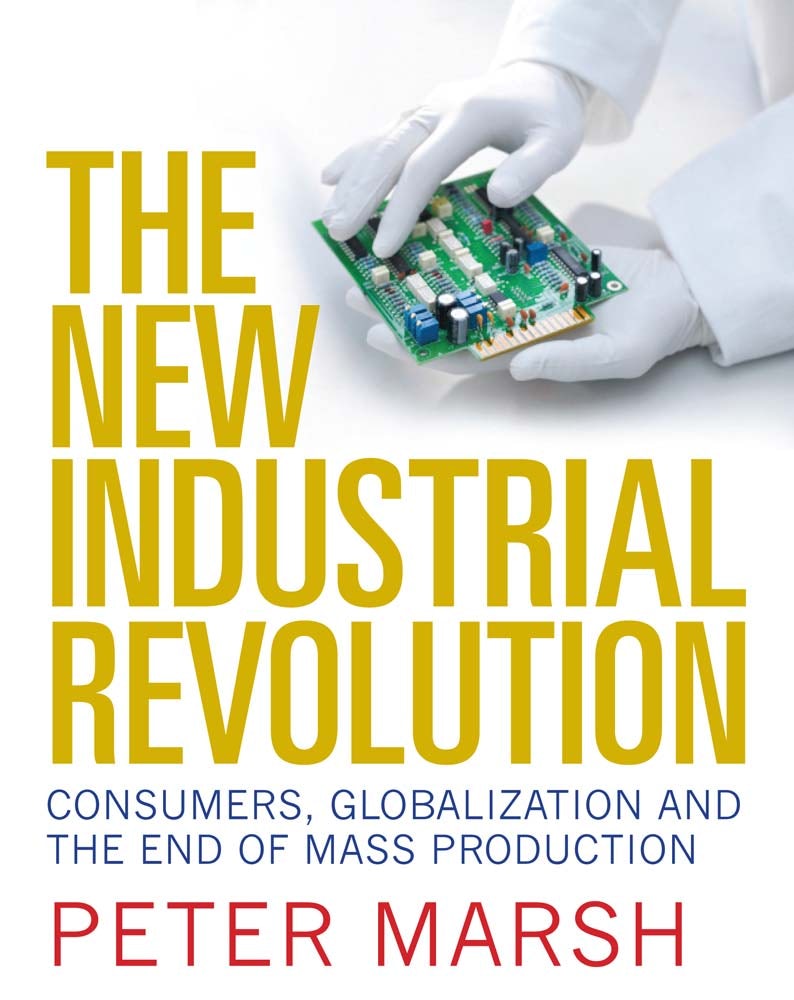
The New Industrial Revolution: A Pathway to Sustainability and Growth
Introduction
As we enter a new era of digital transformation, it’s not too early to talk about the next industrial revolution. The current energy landscape is unsustainable, and climate change will only worsen if left unchecked. The need for a new industrial revolution has never been more pressing.
The Scope of the New Industrial Revolution
The new industrial revolution encompasses a wide range of sectors, including manufacturing, services, energy, raw materials, transportation, and construction. Changes in manufacturing processes will drive innovation and efficiency, while a shift towards sustainable services, such as renewable energy and eco-friendly construction, is driving growth. Renewable energy sources will play a critical role in reducing our reliance on fossil fuels.
Key Players in the New Industrial Revolution
Several key players will drive the process forward, including:
- Renewables: Solar, wind, and hydroelectric power are leading the charge towards a sustainable future.
- Green Construction: Sustainable materials and building methods are transforming the construction industry.
- Energy Efficiency: Improving energy efficiency in buildings and industries is essential for reducing emissions.
- Sustainable Mobility: Electric vehicles, public transport, and cycling infrastructure will shape the transportation sector.
Challenges and Opportunities
While there are numerous challenges to overcome, the new industrial revolution also presents significant opportunities:
1. Job Creation
New industries and jobs will emerge as a result of sustainable practices and technological advancements.
2. Economic Growth
A transition towards sustainable industries can drive economic growth while reducing environmental damage.
3. Climate Change Mitigation
By adopting renewable energy sources, increasing energy efficiency, and promoting sustainable transportation systems, we can mitigate the effects of climate change.
However, there are also challenges to be addressed:
1. Investment and Policy Support
Governments and investors must provide support for new industries and technologies.
2. Public Awareness and Education
Raising public awareness about the importance of sustainable practices is crucial for driving behavioral change.
3. Innovation and R\&D
Continuously investing in research and development will be necessary to drive innovation and stay ahead in this rapidly changing landscape.
Conclusion: The New Industrial Revolution Awaits
As we enter a new era, the need for a new industrial revolution has never been more pressing. With the potential to create jobs, drive economic growth, and mitigate climate change, this transition must be supported by governments, investors, and individuals alike. Join us in embracing this new era of sustainability and innovation.
Frequently Asked Questions
- What is the primary driver behind the need for a new industrial revolution?
- Climate change, unsustainable energy use, and increasing environmental damage.
- Which sectors are most affected by the new industrial revolution?
- Manufacturing, services, energy, raw materials, transportation, and construction.
- Who will drive the process forward in the new industrial revolution?
- The industries that lead these markets, focusing on sustainable innovation and green economies.
References
* [Insert relevant sources or studies related to the topic]


