
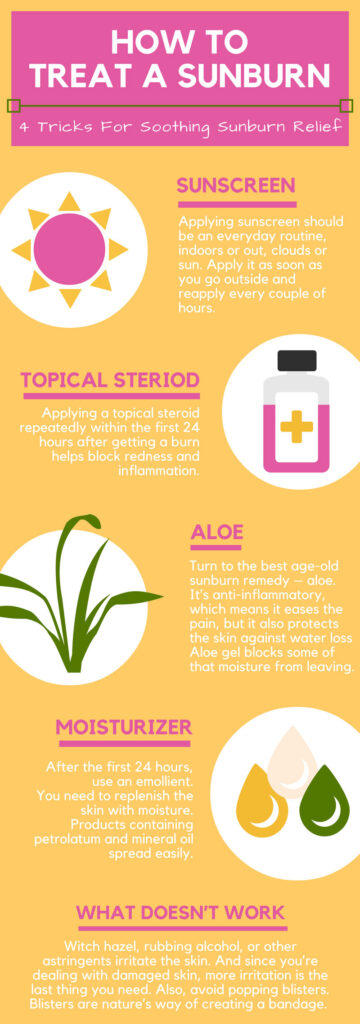
As we enjoy the warmth of the sun, it’s essential to be aware of the potential risks associated with its rays. One common issue that can arise from excessive sun exposure is a sunburn, also known as solar erythema or photodermatitis. In this article, we will delve into the world of sunburns, exploring their causes, symptoms, and prevention methods.
What are Sunburns?
Sunburns are genuine burns caused by prolonged exposure to ultraviolet (UV) radiation from the sun without adequate protection. This type of injury can be particularly challenging for individuals with fair or sensitive skin. The consequences of sunburns can range from mild discomfort to severe complications, such as increased risk of melanoma and premature aging.
Types of Sunburns
There are several types of sunburns, each with distinct characteristics and risks. Understanding these differences is crucial for effective prevention and treatment:
- First-Degree Burns: These occur on the outermost layer of skin (epidermis) and may appear as redness, swelling, or blisters.
- Second-Degree Burns: More severe burns that affect both the epidermis and dermis layers, leading to increased risk of infection and scarring.
Symptoms of Sunburns
Sunburn symptoms typically manifest within 12-24 hours after exposure. Some common signs include:
- Arched skin
- Blisters or vesicles
- Pain and discomfort
- Redness and inflammation
- Peeling or flaking skin
In severe cases, sunburns can cause:
- Heat Stroke: A potentially life-threatening condition that occurs when the body’s temperature regulation system is overloaded.
- Dehydration: Inadequate fluid intake can exacerbate sunburn symptoms.
Prevention Strategies
The best way to combat sunburns is through prevention. Here are some effective methods to reduce your risk:
- Use Sunscreen: Apply a broad-spectrum sunscreen with an SPF of at least 30 before going outside, even on cloudy days.
- Wear Protective Clothing: Choose clothing that covers all skin areas, including long-sleeved shirts, pants, and wide-brimmed hats.
- Seek Shade: Whenever possible, seek shade under umbrellas or canopies to minimize UV exposure.
- Avoid Peak Sun Hours: Limit sun exposure between 10am and 4pm, when the sun’s rays are strongest.
Managing Sunburns
While prevention is key, it’s essential to know how to treat sunburns effectively:
- Take a Cool Bath or Shower: Soak in a cool bath or take a cool shower to reduce heat and alleviate discomfort.
- Apply Topical Creams: Use over-the-counter creams or gels containing hydrocortisone, lidocaine, or menthol to soothe the skin.
- Stay Hydrated: Drink plenty of water to replenish lost fluids and support skin healing.
Understanding Your Skin Type
Your skin type plays a significant role in determining your risk for sunburns. Be aware of the following six skin types:
- Type I: Extremely sensitive skin that burns easily, even with minimal sun exposure.
- Type II: Moderately sensitive skin that may burn after some time under the sun.
- Type III: Slightly sensitive skin that can tolerate moderate amounts of UV radiation.
- Type IV: Neutral skin type that can handle moderate to high levels of UV exposure.
- Type V: Less sensitive skin that rarely burns, but may still experience some discomfort under intense sunlight.
- Type VI: Extremely resistant skin that rarely burns and may even appear darker than other skin types.
Frequently Asked Questions
Here are some common questions related to sunburns:
- Q: Can I get a sunburn through glass?
- A: Yes, UV radiation can pass through glass, increasing your risk of sunburn.
- Q: How long does it take for a sunburn to heal?
- A: Sunburns typically heal within 3-5 days, but may take longer in severe cases.
- Q: Can I use aloe vera to treat sunburns?
- A: While aloe vera can provide some relief, it’s essential to consult a doctor for proper treatment and advice.
- Q: Are sunburns more common during the summer months?
- A: Yes, due to increased outdoor activities and prolonged UV exposure.
Additional Tips
In addition to prevention methods and treatment strategies, there are several other things you can do to protect yourself from sunburns:
- Be Aware of Reflections: Be aware that your skin may be exposed to more UV radiation when reflecting off surfaces like water, sand, or snow.
- Use Lip Balm: Apply lip balm with SPF to protect your lips from the sun.
- Stay Informed: Stay informed about local weather forecasts and UV indexes to plan accordingly.
Conclusion
Sunburns are a common condition that can be prevented and treated effectively. By understanding the causes, symptoms, and prevention methods of sunburns, you can take steps to protect yourself from these painful and potentially serious conditions. Remember to always prioritize your skin health and seek medical attention if you experience severe or prolonged sunburn symptoms.
Sources
- National Institute for Occupational Safety and Health (NIOSH). (2020). Sun Safety: How to Prevent Heat Stroke and Dehydration.
- Centers for Disease Control and Prevention (CDC). (2022). Skin Cancer and Sun Safety.
- Mayo Clinic. (2020). Sunburns: Symptoms & Causes.
By following the tips and strategies outlined in this article, you can enjoy the sunshine while minimizing your risk of sunburns.


