
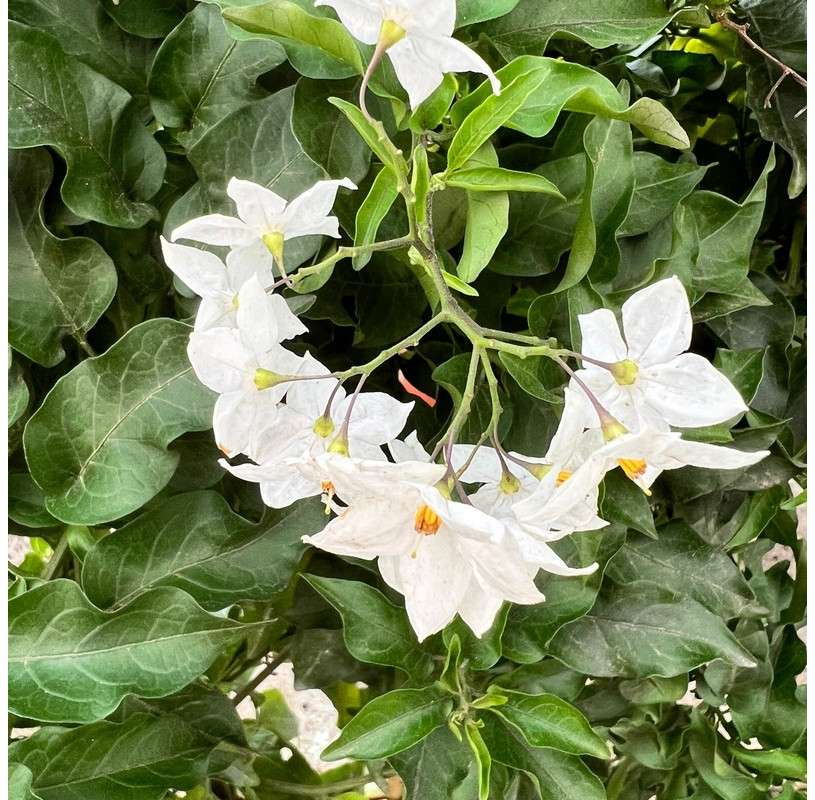
Growing a false jasmine can be an incredibly rewarding experience. This plant offers numerous benefits, including abundant flower production, low maintenance requirements, and fragrant blooms.
What is the False Jasmine?
When we refer to the false jasmine, we are actually talking about the species Rhyncospermum jasminoides or Trachelospermum jasminoides. It’s a highly resilient shrub that can thrive in various conditions.
Compared to its true counterpart, the false jasmine is more resistant to cold temperatures (tolerating temperatures as low as -5°C) and doesn’t suffer from heat stress. It can also tolerate brief periods of drought and adapts well to coastal homes. However, it’s essential to note that this plant is climbing and does not enjoy strong winds.
Choosing the Right Location for Your False Jasmine
When selecting a location for your false jasmine, look for areas that are protected from harsh winds and have partial sunlight exposure towards the south. This plant can thrive in both pots and full terra.
For pot cultivation, you don’t need to make significant changes. The false jasmine doesn’t require specific soil conditions and can be grown without fertilization during spring if necessary. Keep in mind that over-fertilization might cause damage or prevent flowering.
Training Your False Jasmine
This plant requires a trellis or other support as it grows rapidly, reaching up to 12 meters in length. Unlike the true jasmine, this variety doesn’t cling to walls like ivy or the true jasmine does. To keep your false jasmine under control, you’ll need to fix its stems with soft ties or install a structure that allows the branches to grow freely.
Planting Your False Jasmine
To plant your false jasmine, simply dig a hole and place the roots at the base of the pot. Cover the roots up to the collar and secure the old soil in place. Spring is the ideal time for planting.
Growing Your False Jasmine in Pots
If you choose to grow your false jasmine in pots, ensure that the container is 50 cm deep and 80 cm wide. Use a rectangular planter and keep at least 100 cm of space between each plant if you have two plants.
To prevent waterlogged soil, create a drenage layer on the bottom of the pot with 3 cm of gravel or pietrisco. This helps protect the roots from root rot.
Preparing Your Potting Mix
Fill your pot with regular garden soil or terriccio universale (universal potting mix). Be cautious not to over-fertilize, as this may harm your false jasmine.
Fertilizing Your False Jasmine in Pots
To maintain healthy growth and encourage blooming, feed your false jasmine with a slow-release fertilizer every two months, starting in March. Use a balanced fertiliser or a universal potting mix supplement.
A general rule of thumb is to apply the fertilizer during the spring (March), summer (May), autumn (July), and winter (September). However, it’s essential to follow the manufacturer’s instructions for optimal results.
How Much Fertilizer Do I Need?
To avoid over-fertilizing your false jasmine, use a balanced fertiliser or a universal potting mix supplement. A general recommendation is to add 1 tablespoon of fertilizer per 10 liters of soil.
Keep in mind that too much fertilizer may harm your plant. To determine the optimal amount, consult with a gardening expert or check online resources for more information.
What Kind of Fertilizer Should I Use?
If you don’t have a universal potting mix supplement, consider using a slow-release fertilizer specifically designed for houseplants. Some popular options include Miracle-Gro Indoor Plant Food or Espoma Organic Indoor Plant Fertilizer.
These fertilisers are available on Amazon and can be purchased at an affordable price of around 12-15 euros per kilogram. To make the most of your fertilizer, mix it with a small amount of soil to create a nutrient-rich mixture for your false jasmine.
Pruning Your False Jasmine
To keep your false jasmine healthy and promote blooming, prune its stems carefully. Avoid cutting back too much of the plant at once, as this may cause stress and lead to reduced flower production.
If you notice that your false jasmine is not producing flowers, consult our guide on “Gelsomino That Doesn’t Flower” for advice on how to troubleshoot the issue.
Common Problems with False Jasmine
Here are some common problems that you might encounter when growing a false jasmine:
- Leaf drop: If you notice excessive leaf fall from your false jasmine, it may be due to over-watering or root rot. Check the soil moisture regularly and reduce watering if necessary.
- Diseases: False jasmine is susceptible to diseases like root rot and leaf spot. Monitor your plant regularly for signs of disease and treat promptly with fungicides or bactericides.
- Pests: Keep an eye out for pests like spider mites, mealybugs, and aphids, which can cause damage to your false jasmine.
Frequently Asked Questions
- What is the best way to train a False Jasmine?
To keep your False Jasmine under control, use soft ties or install a structure that allows its branches to grow freely. - How often should I fertilize my False Jasmine in pots?
Feed your False Jasmine with slow-release fertilizer every two months, starting in March. - What type of fertilizer is best for False Jasmine?
Use a balanced fertilizer or universal potting mix supplement specifically designed for houseplants. - Can I grow False Jasmine indoors without sunlight?
False jasmine can thrive in low-light conditions, but it requires partial sunlight exposure towards the south. - How tall can a False Jasmine grow?
A False Jasmine can reach up to 12 meters in length and needs regular pruning to maintain its shape.
Conclusion
Growing a false jasmine is an exciting experience that offers numerous benefits. With proper care and attention, this plant will thrive in various conditions and provide beautiful fragrant blooms for years to come.
By following these tips and guidelines, you can ensure the success of your false jasmine and enjoy its beauty and fragrance in your home or garden.
Do not hesitate to reach out if there are any additional questions.


